


How to be a Good Speaker: From “Sage on the Stage” to Strategic Storyteller
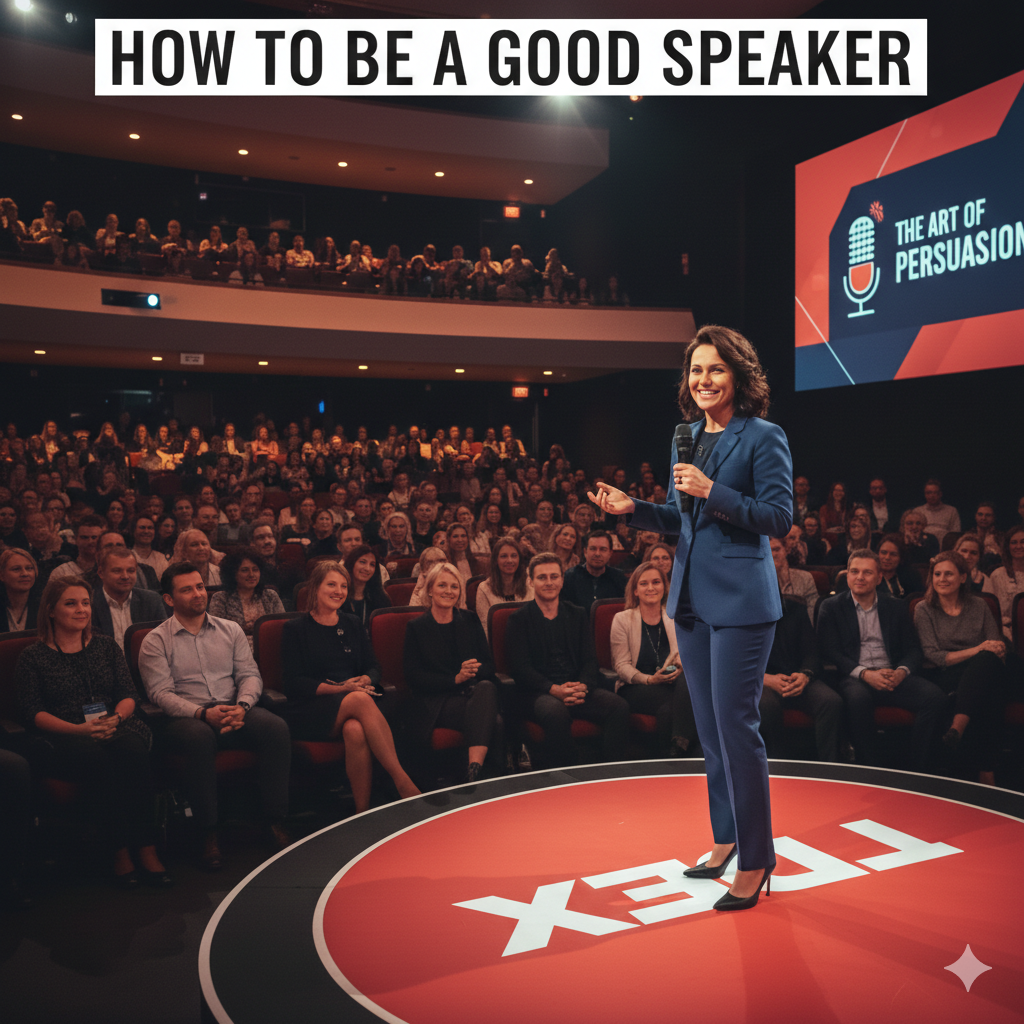

Becoming a top-tier orator in today’s corporate world requires more than just a loud voice and a few PowerPoint slides. As we navigate the high-stakes environment of 2026, the question of how to be a good speaker has shifted from “how do I perform?” to “how do I connect?” Having managed thousands of high-profile bookings at engage4more, we have sat in the front row for the best (and the most forgettable) sessions in the industry. We have realized that the “sage on the stage” era is over. Today, the audience doesn’t want a guru; they want a guide who has survived the same trenches they are currently digging.
The Evolution of the Stage: Why the “Monk” has Company
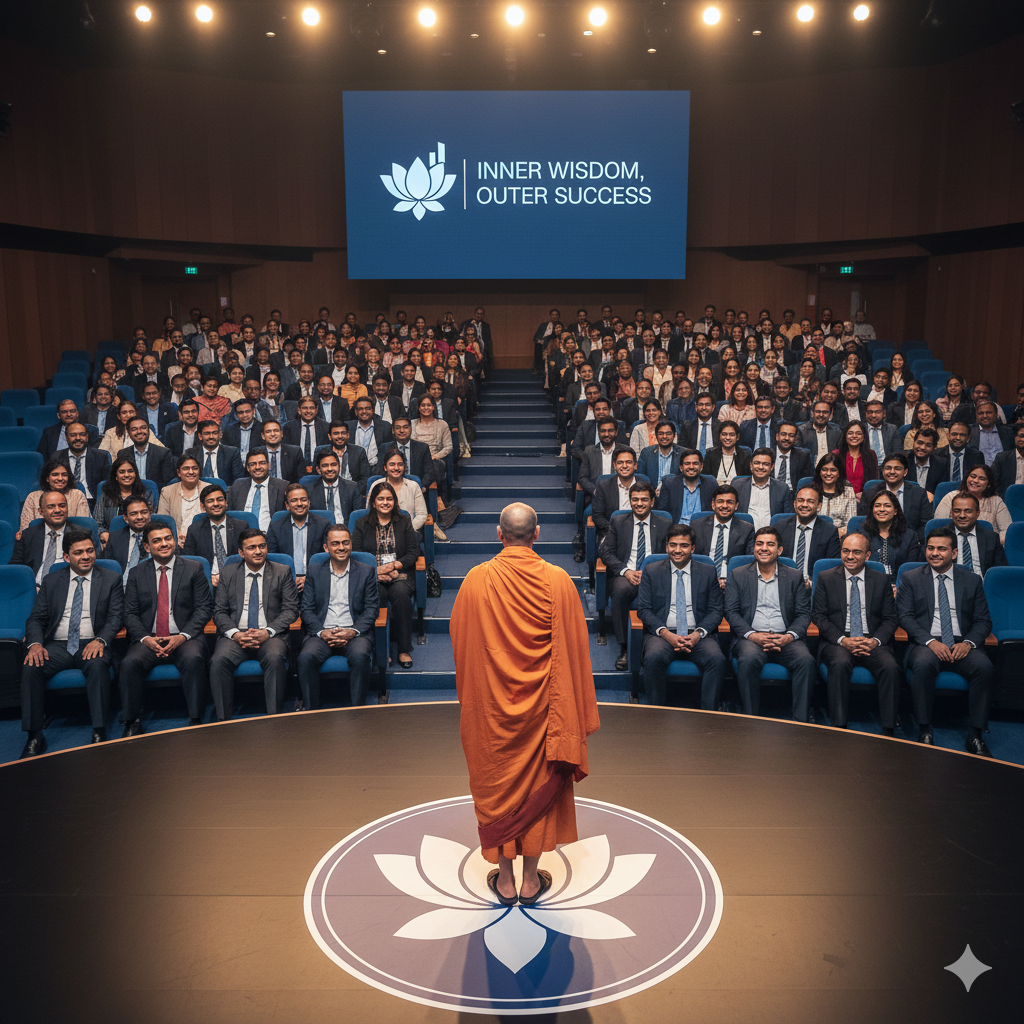
For decades, the image of a motivational speaker was synonymous with a monk or a life coach delivering spiritual epics. While that wisdom still holds a place, the 2026 corporate stage is far more eclectic. We have moved into the era of the “Practitioner.”
At engage4more, we have seen a massive surge in demand for how to be a good speaker amongst non-traditional profiles. Today’s most impactful sessions come from:
- The Tech Evangelists: Who don’t just talk about AI, but about the human anxiety of being replaced by it.
- The “Virgin Story” Athletes: Like Navdeep Singh or Mithali Raj, who share raw, unscripted moments of rejection and reclamation that haven’t been “sanitized” for social media yet.
- The Corporate Survivors: Ex-CEOs who talk about the “loneliness of the sack” rather than just the “glory of the IPO.”
Understanding the Target Audience: The “Monday Morning Rule”
The first and most critical step in how to be a good speaker is shifting your focus from your “content” to their “context.” At engage4more, we call this the Monday Morning Rule. If your audience cannot do one thing differently on Monday morning because of your talk, you haven’t delivered a speech; you have just hosted a very expensive nap.
To master this, you must analyse your audience’s Psychographics:
- The Cynics vs. The Seekers: A room full of weary software engineers needs “Strategic Proof” and data. A room of sales leaders needs “Emotional Ignition.”
- The Cultural Chemistry: Are they a startup facing a “pivot or perish” moment, or a legacy giant undergoing a digital transformation? Your talk must be the bridge between their current struggle and their future self.
The Ultimate Checklist on Public Speaking Skills
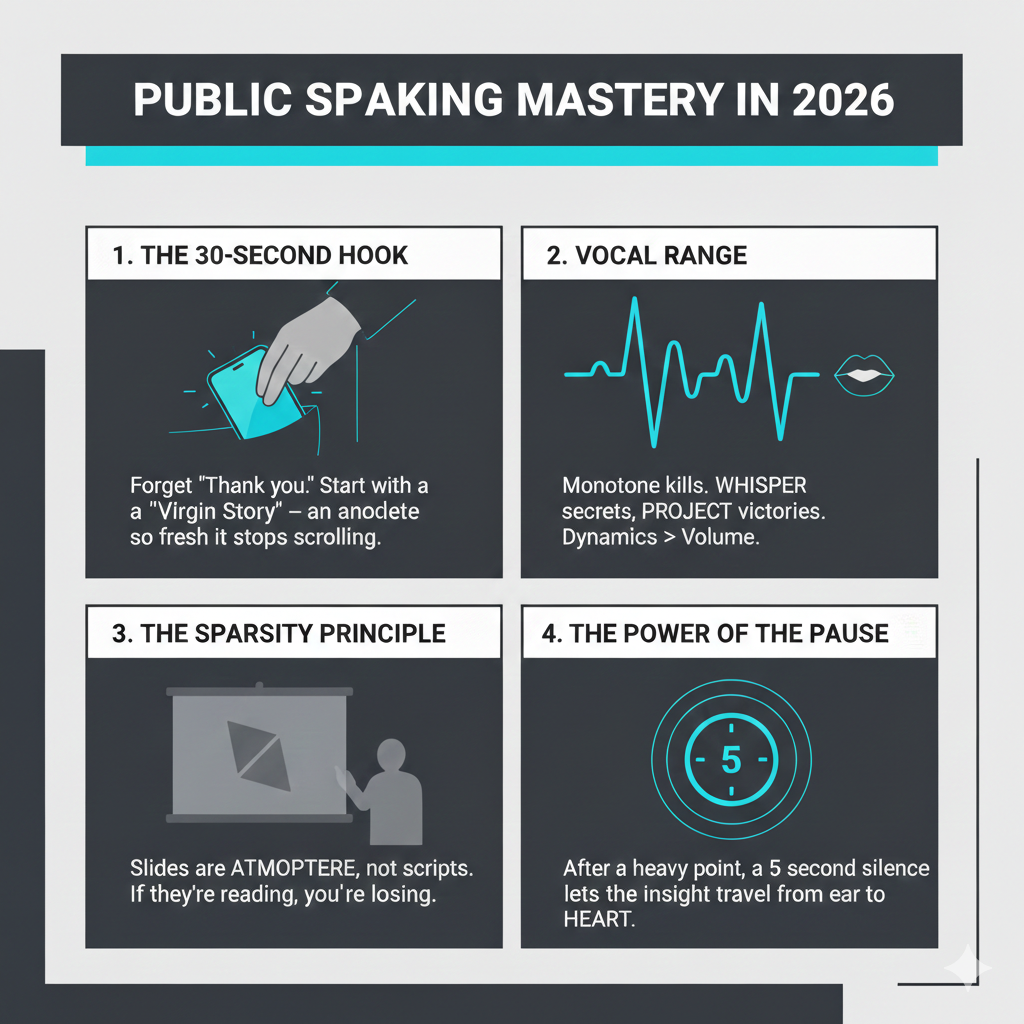
Being “good” is about the basics; being “great” is about the nuances. After hosting countless shows, we have compiled the definitive checklist for any speaker looking to leave a mark.
The Technical Mastery (The “Must-Haves”)
- The 30-Second Hook: Do not start with “Thank you for having me.” Start with a “Virgin Story”, an anecdote so fresh and startling that phones go into pockets immediately.
- Vocal Range over Volume: A monotone voice is the death of engagement. Learn to whisper the secrets and project the victories.
- The Sparsity Principle: In 2026, slides are for atmosphere, not for reading. If the audience is reading your screen, they aren’t listening to your soul.
- The Power of the Pause: A well-timed five-second silence after a heavy point allows the insight to travel from the ear to the heart.
The E-E-A-T Factor: Why Experience Trumps Eloquence
In the age of AI-generated content, “Experience” is the only currency that hasn’t depreciated. Google’s E-E-A-T (Experience, Expertise, Authoritativeness, Trustworthiness) framework isn’t just for blogs, it’s the secret sauce of how to be a good speaker. Audiences can smell a “rehearsed” speech from a mile away. They are looking for vulnerability. When a speaker like Aman Gupta or Santosh Desai take the stage, they don’t just bring expertise; they bring “lived truth.” They talk about the scars, not just the medals. This transparency builds an instant “Trust” bridge that no amount of stage pyrotechnics can replace.
From Speech to Strategy: The engage4more Perspective
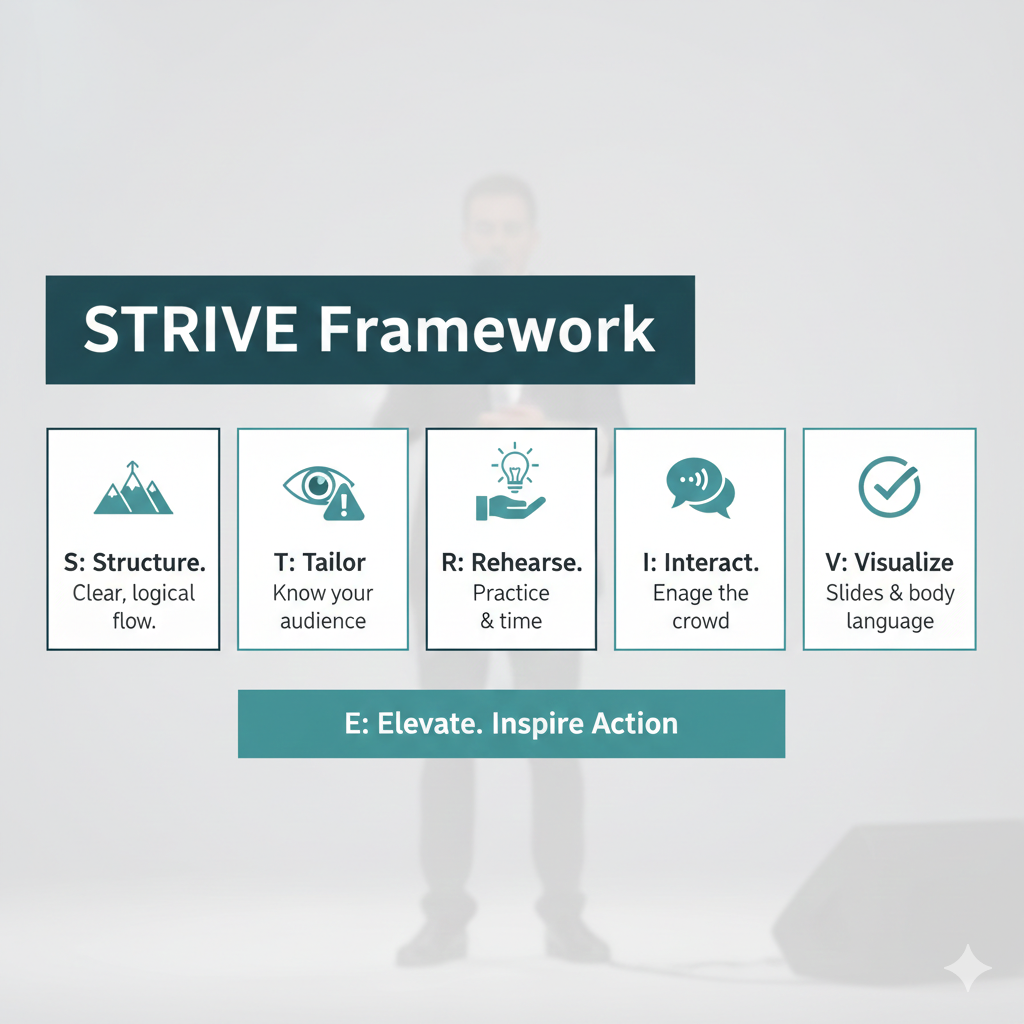
After years of scouting talent, we have noticed that the best speakers don’t just “give a talk”, they design an experience. They understand that “Motivation” is a perishable commodity. You feel it in the room, but it evaporates by the time you reach the parking lot.
To solve this, top speakers use the STRIVE Framework:
- Strategic Proof: Backing claims with real-world results.
- Trust: Building a rapport through shared vulnerability.
- Relevance: Ensuring the message fits the specific corporate culture.
- Intensity: Maintaining a high-energy “Podcast Vibe.”
- Value: Providing actionable takeaways.
- Engagement: Turning the monologue into a dialogue.
How to be a good speaker in a Digital-First World?
One unique insight we have gained at engage4more is the “Podcast Effect.” Modern audiences are used to hearing high-level conversations in their earbuds while commuting. They expect that same level of intimacy on the big stage. They don’t want the “corporate mask.” And they want the “unfiltered human.” If you can master the art of being “professionally unpolished,” you have already won.
Who is Shaping the Corporate Narrative in 2026?
When it comes to how to be a good speaker, the ultimate proof is in the “search demand.” At engage4more, we have analysed the booking data and search trends to see who is truly dominating the 2026 circuit. The names that companies are clamouring for today tell a fascinating story about the shift from “Instructional” to “Relatable” leadership. Here are the top 7 names that have redefined the stage:
Viswanathan Anand
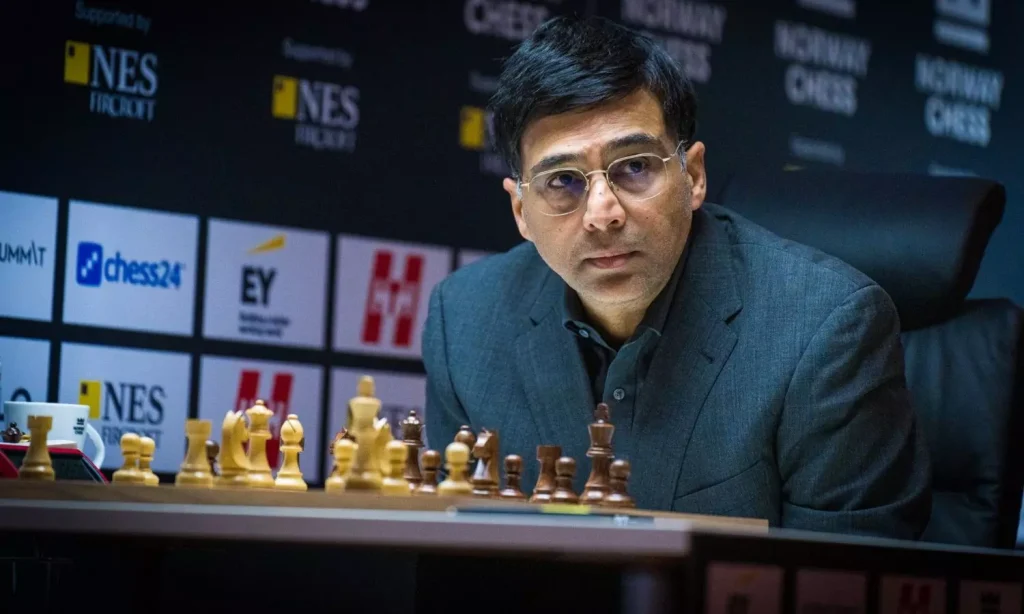

The “Grandmaster of the Long Game.” Viswanathan Anand remains a powerhouse because he does something few can: he takes the silent, cerebral tension of a 64-square board and maps it onto the chaotic grid of global business. He is the living embodiment of how to be a good speaker by remaining the calmest person in the room while everyone else is playing speed chess. (Image courtesy: thebridge)
Radhika Gupta


As the “Girl with a Broken Neck” (and CEO of Edelweiss), Radhika embodies the E-E-A-T framework. She is the gold standard for how to be a good speaker because she blends hardcore financial expertise with a vulnerability that makes “failing forward” feel like a strategic advantage. (Image courtesy: mrmultiherbs)
Shashi Tharoor
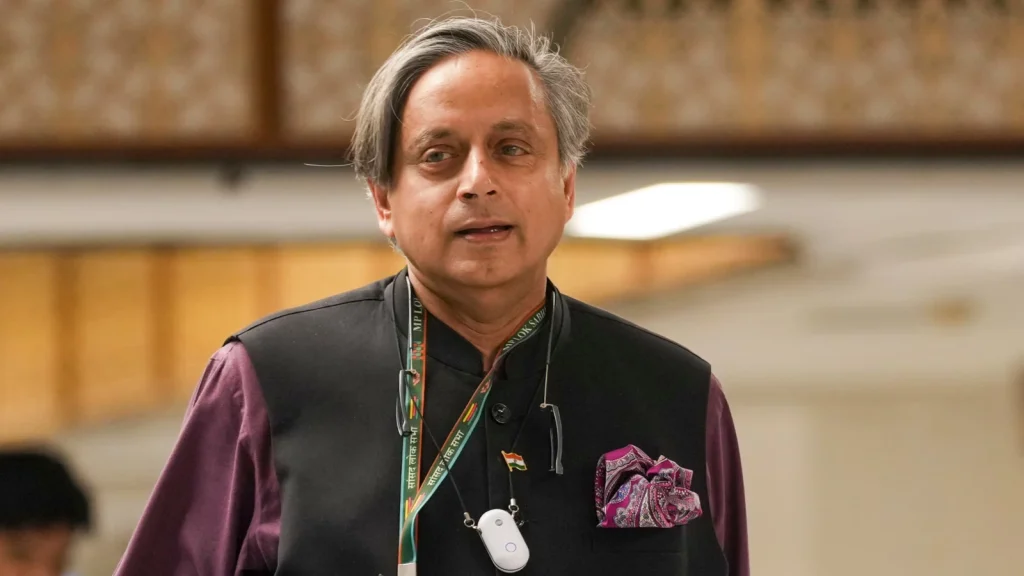
The master of “Intellectual Defenestration.” To hear Shashi Tharoor speak is to be tossed out of the window of ordinary conversation and into a linguistic stratosphere. He is booked not just for his vocabulary, but for his ability to weave historical context into future-ready strategy with an elegance that is impossible to replicate. (Image courtesy: news18)
Anand Neelakantan

A master of the “Counter-Narrative.” Neelakantan has carved a niche by teaching us how to look at the “Asura” in the mirror. He is a corporate favourite because he forces leaders to question their own hero-complexes, using ancient epics to solve modern leadership blind spots. While talking to Nishant Parashar on our podcast, Good Gobar Show, he beautifully talks about the art of storytelling.
Steven Bartlett


The global poster boy for the “Diary of a CEO” vibe. He is searched for because he represents the “Modern Practitioner”, someone who is actively building businesses while talking about them. He has killed the “Sage on the Stage” model and replaced it with “Strategic Transparency.” (Image courtesy: stevenbartlett)
Gaur Gopal Das


Gaur Gopal Das has become an iconic figure in the era of monks for his ability to evolve and change with the way monks evolve and change over time. He has shown that spirituality can be practical by using humour and urban wisdom to deal with corporate issues in today’s world, such as burnout and work/life balance. (Image courtesy: penguin.)
Anand Ranganathan

The “Data-Striker.” In a world of fluffy motivation, Anand Ranganathan is the antidote. He is searched for because he brings a scientific rigor to social and economic discourse. He depicts the shift toward “Strategic Proof”, proving that being a good speaker means having the courage to let the facts do the shouting. In his conversation on our podcast Good Gobar Show with Nishant Parashar, it was quite evident how he is a master storyteller.
Palki Sharma
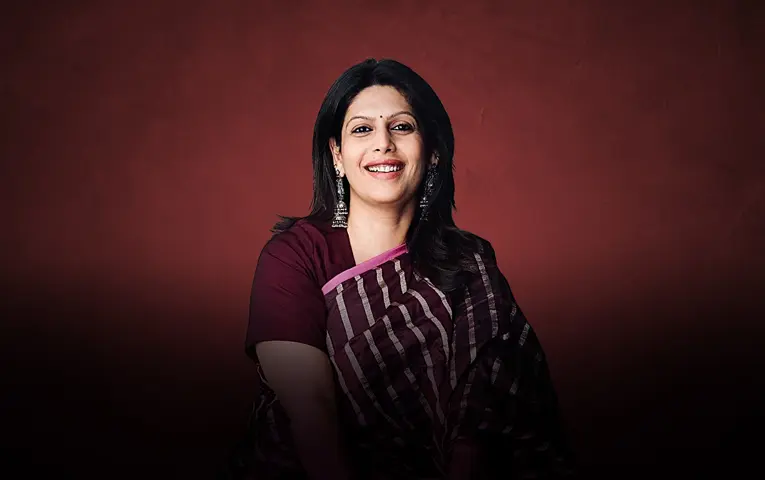

The “Global Lens.” Palki’s transition to the big stage has been seamless because she brings the high-stakes urgency of a newsroom to the boardroom. She doesn’t just give you information; she gives you “Information Gain,” synthesizing the world’s chaos into a clear, actionable “Monday Morning Rule.”
The Art of Defenestration: A Masterclass in Impact
If you want to understand the “secret sauce” behind how to be a good speaker at any event, you must master the art of defenestration. No, we aren’t suggesting you literally toss your audience out of the venue! In the world of high-impact storytelling, “defenestration” is a metaphorical technique where a speaker uses a narrative so gripping, so jarring, or so profound that the audience is “thrown out of the window” of their own comfort zone.
It is the moment a speaker like Anand Ranganathan or Palki Sharma shatters the glass of corporate complacency. By the time the audience “lands,” they aren’t the same people who walked into the room. They have been forcibly removed from their old perspectives and dropped into a new reality. This isn’t just storytelling; it’s a psychological reset. When you can defenestrate an audience, leaving them breathless and momentarily “outside” their usual way of thinking, you have transitioned from being a mere presenter to being a catalyst for transformation.
Conclusion: Your Voice is the Strategic Asset
In 2026, the journey of how to be a good speaker is essentially a journey of self-discovery. It is about finding that one “Virgin Story” in your life that can solve a problem for someone else. Whether you are a tech enthusiast, a sports icon, or a corporate veteran, your authority comes from your authenticity. At engage4more, we don’t just book keynote speakers; we scout for voices that can change the heartbeat of a room.
The stage is no longer a platform for ego; it is a laboratory for change. If you can move an audience to think, feel, and act differently, you haven’t just mastered a skill; you have mastered the art of human impact.
Also, enjoy our value adds like complimentary quizzing for your events along with free publicity by our post-event coverage via our social media handles!
FAQs
1. How to be a good speaker for corporate events in 2026?
In 2026, the gold standard for how to be a good speaker is passing the “Monday Morning Rule.” If your talk doesn’t give an employee a new tool to use by 9:00 AM Monday, it’s just noise. At engage4more, we advocate for “Podcast Energy”—a raw, unscripted vibe that trades the old “corporate mask” for genuine, unfiltered human connection.
2. What are the non-negotiable public speaking skills today?
Technical polish is fine, but the public speaking skills that actually book stages in 2026 are vulnerability and “Strategic Proof.” Use the “30-Second Hook” to grab attention with a “Virgin Story,” then deploy the STRIVE Framework (Trust, Relevance, Intensity, Value) to ensure your message sticks to the ribs of the audience long after the lights go down.
3. Why is E-E-A-T the “secret sauce” for motivational speakers?
In an era of generic AI scripts, lived experience is the only thing people will pay for. Google’s E-E-A-T framework applies to the stage too: audiences want the “scars, not just the medals.” We scout for speakers who bring “Virgin Stories”, those undocumented, gritty moments of truth that build an immediate trust bridge which no amount of rehearsed “Gyaan” can replace.
4. What is meant by the term “Defenestration Art” in storytelling?
To put it another way, the defenestration is a psychological awakening. It’s a figurative act in which an orator uses a disruptive story to literally toss the audience out of their own security by breaking the illusion of safety and landing them into a new mental state.
5. What names are trending in relation to relatively fast corporate bookings?
2026’s trending list is filled with “Truth-Tellers” who provide an incredible amount of “information gain.” Examples include Viswanathan Anand in the area of strategic thinking; Radhika Gupta in the arena of radical acceptance; Shashi Tharoor in the category of intellectual prowess; and Anand Ranganathan in the category of factually supported beliefs. These individuals represent the best bridge between theories and “Monday Morning” application.