




The Soul of Regional Music and the End of the “Niche” Label


For the longest time, the global music scene felt like an exclusive club with a very strict dress code. If you weren’t singing in English or fitting into a sleek Western radio mold, you were tossed into the “World Music” bin, basically a polite way of saying “niche.” But look at the charts in 2026. The walls haven’t just cracked; they have completely crumbled. Regional Music isn’t some background noise anymore; it’s the main event.
When a kid in a London suburb or a crowd in an LA club starts vibing to a folk-trap beat from a village they can’t find on a map, you’re seeing the real essence of music. It’s proof that language was never the actual barrier, it was just a lack of access. Today, the rhythmic pulse of the earth is traveling at light speed, proving that human raw emotion doesn’t need a translator to hit you in the chest.
Why We are Trading Plastic Pop for Authenticity
In an era where we’re drowning in AI-generated hooks and over-sanitized pop, people are starving for something that smells like the soil. This is exactly where Regional Music wins. Listeners are ghosting the “manufactured” stars and gravitating toward artists who bring a real lived experience. It’s not just about a catchy chorus; it’s about the expertise and experience of musicians who spent years perfecting their sound in the heartlands before the world ever took notice. (Image courtesy: thestatesman)
1. Diljit Dosanjh: The King of Regional Music on the Global Stage
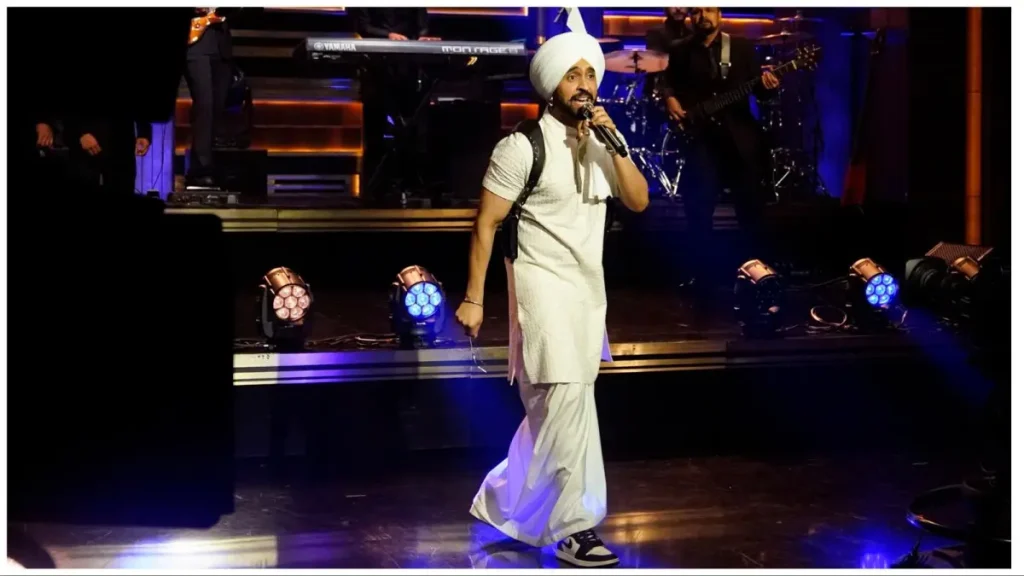

If you want to talk about shattering geographical boundaries, you start and end with Diljit Dosanjh. Diljit is a masterclass in artist authority. He never tried to blend in or “tone it down” for a Western audience. He showed up to Coachella in a turban and a lungi and made history. (Image courtesy: indianexpress)
His Dil-Luminati tour isn’t just a series of concerts; it’s a global brand built on Punjabi heritage. When he collaborates with Sia or Ed Sheeran, he isn’t asking for permission to be there. Those are moments of cross-cultural appeal that prove staying local is actually the fastest way to go global. When Diljit hits the stage, he carries the heat of the Punjab pind straight to the neon lights of Vancouver. He’s living proof that linguistic diversity isn’t a wall, it’s a bridge.
2. Satinder Sartaaj: The Academic of Folk and Soul
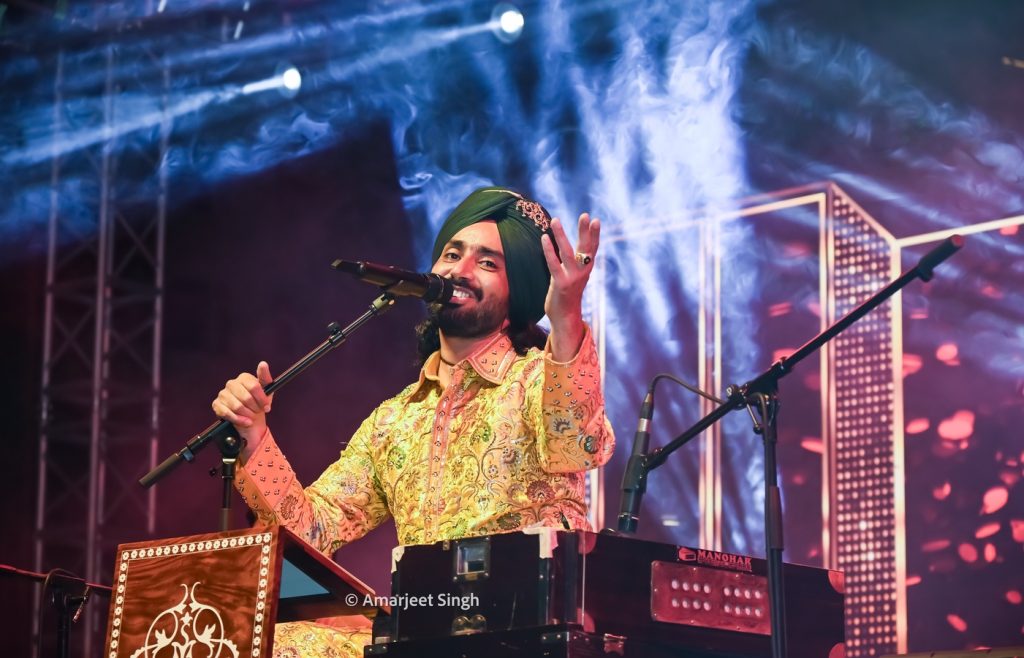

While some artists are here for the “party,” Satinder Sartaaj is here for the “spirit.” His global footprint is built on a foundation of trustworthiness and a deep, lyrical tradition. Sartaaj is a scholar-artist. His folk-rooted songs and Sufi-inspired poetry have filled the Royal Albert Hall with an audience that often doesn’t speak a single word of Gurmukhi. (Image courtesy: hindustantimes)
He brings a level of musical expertise that demands a certain kind of respect. Watching him move a stadium with nothing but a harmonium and his voice is the ultimate evidence that the soul of music lives in the frequency, not the dictionary.
The New Guard: A Hitlist of Borderless Artists
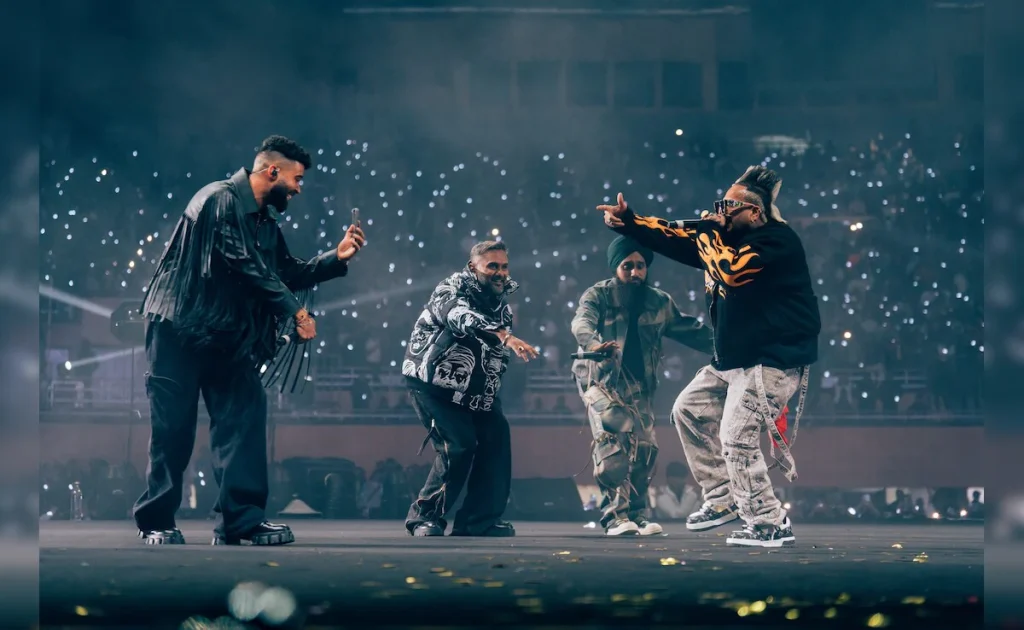

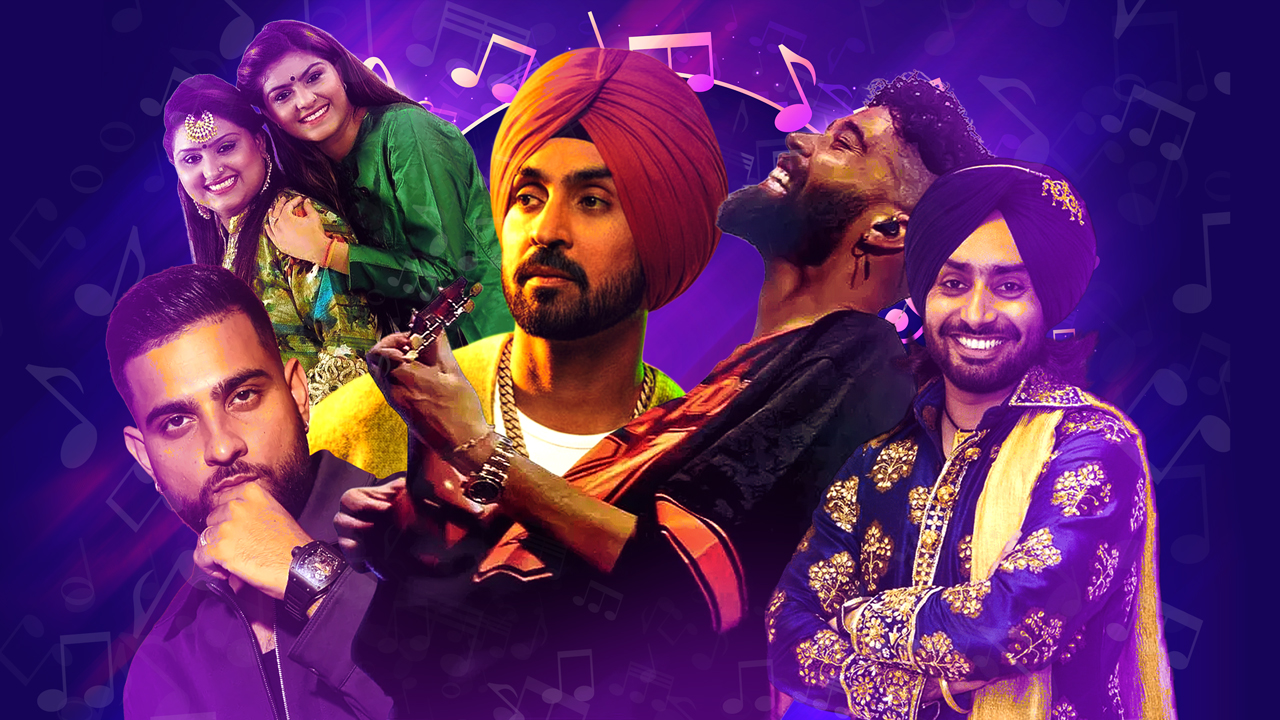
The explosion of Regional Music is way bigger than just two or three names. A massive list of trailblazers is currently gutting the old music industry rules. These artists are using streaming algorithms and social media trends to find their tribe in every corner of the planet. (Image courtesy: ndtvimg)
- AP Dhillon: The king of urban-folk fusion, mixing high-end Western production with the raw grit of the Majha region.
- Karan Aujla: A lyrical heavyweight whose Punjabi pop has secured Juno Awards and clocked billions of streams.
- Sidhu Moose Wala (Legacy): Even years later, his raw storytelling charts globally, serving as the unfiltered voice of rural youth.
- Hanumankind: The breakout face of South Asian hip-hop. His track “Big Dawgs” proved that regional flows can sit at the top of the global food chain.
- Sanju Rathod: Taking Marathi folk into the viral age with hooks that get stuck in your head regardless of your mother tongue.
- The Nooran Sisters: The Nooran Sisters’ volcanic Sufi vocals are being remixed by top-tier DJs, bringing ancient chants to modern festivals.
- Taba Chake: Bringing the indie-folk sounds of the Northeast to a global audience with melodies that feel like home.
- Yo Yo Honey Singh: He is the OG legend, who has taken not only India but also foreign nationals by a storm. His stardom has created fans beyond the boundaries of India in Dubai.
Why Regional Music is the Future of Human Connection

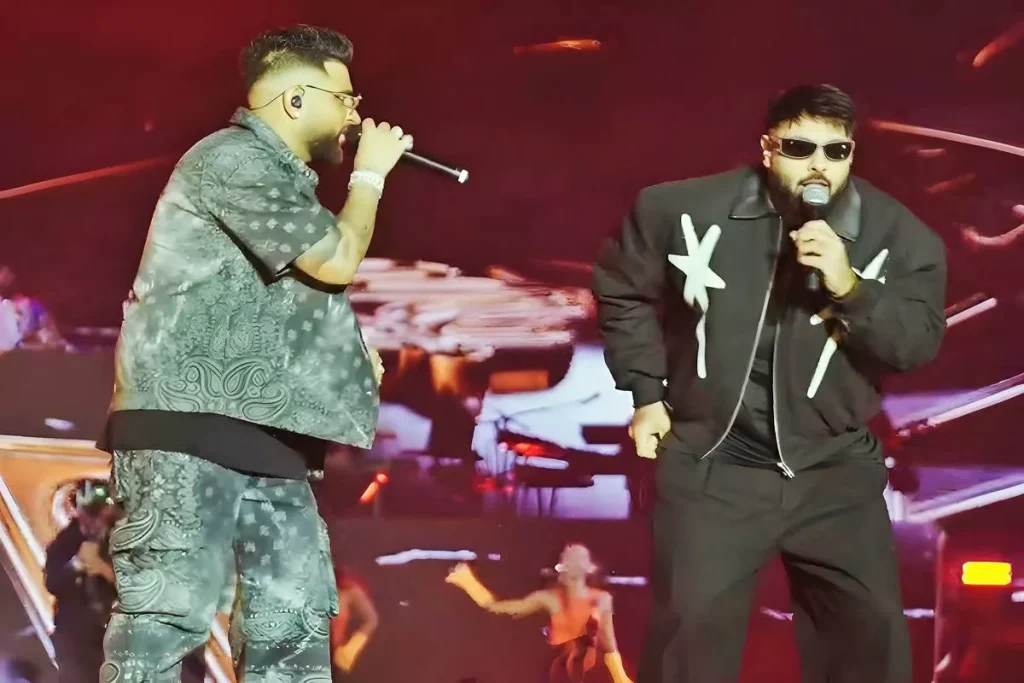
The engine behind this growth is partly the South Asian diaspora, but it’s mutated into something much larger. Digital platforms have finally democratized the “ear.” We aren’t being told what’s cool anymore; we are discovering it for ourselves. The “vibe” is the primary connector. Whether it’s the thumping heavy beat of a dhol or the lonely, haunting strain of a sarangi, Regional Music offers a sensory depth that generic pop just can’t touch. (Image courtesy: thgim)
This whole movement is a massive celebration of ethnic identity. It tells every artist out there that you don’t have to erase who you are to be heard. As independent artists bypass the old gatekeepers, the global playlist is getting a lot more colourful. We’ve finally entered the era where a song from a small village can become the anthem of a global city.
Conclusion: The Final Barrier is Dust
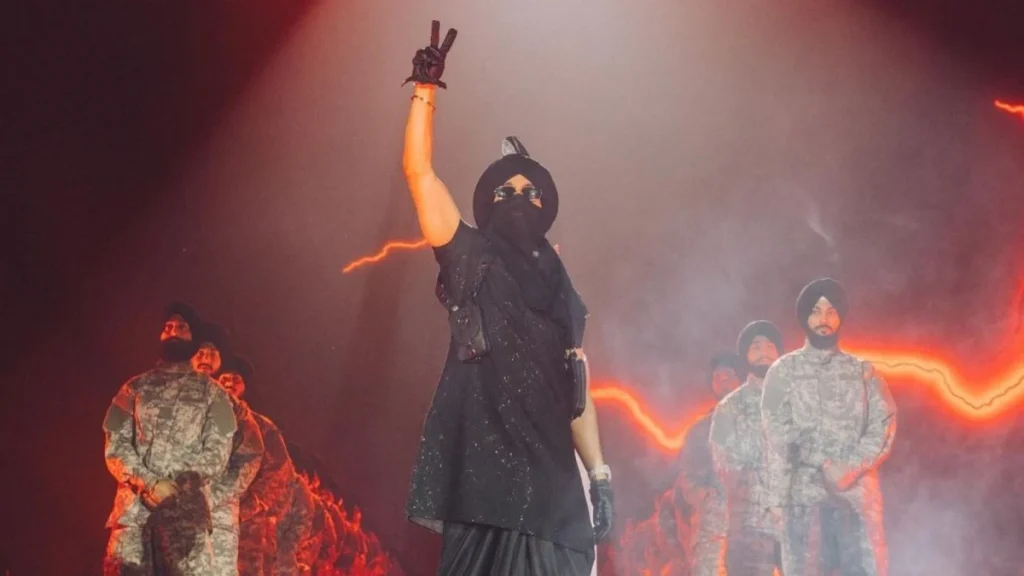
The surge of Regional Music is the final nail in the coffin of linguistic elitism. It’s a gorgeous reminder that the essence of music is tucked away in the shared human experience, pain, joy, and rhythm. As geographical boundaries continue to melt into the digital ether, the “local” voice is becoming the only voice that feels real. From Diljit’s stadium-shaking fire to Sartaaj’s poetic depth, the world isn’t just listening, it’s finally understanding the heart without needing a dictionary. (Image courtesy: indianexpress)
To bring such transformational voices to your stage, like Prateek Kuhad, Euphoria, Lucky Ali, and many more on women’s cricket team, book through engage4more—India’s top platform for keynote speakers and talent. With over 2,500 artists, pacy bookings, and free event publicity, engage4more makes inspiration accessible, unforgettable, and meaningful. Also, enjoy our value adds like complimentary quizzing for your events along with free publicity by our post-event coverage via our social media handles!
FAQs
1. What is Regional Music and why is it gaining global popularity in 2026?
Regional Music refers to music rooted in local languages, cultures, and traditions rather than mainstream Western formats. In 2026, it’s gaining massive global popularity because streaming platforms, social media, and diaspora communities have removed access barriers. Audiences now connect more with emotion, rhythm, and authenticity than language, making regional sounds globally relatable.
2. How did artists like Diljit Dosanjh make Regional Music global?
Artists like Diljit Dosanjh went global by staying unapologetically local. Instead of adapting to Western norms, Diljit showcased Punjabi culture with pride, whether at Coachella or on global collaborations. His success proves that cultural authenticity builds stronger global appeal than dilution or imitation.
3. Is Regional Music replacing mainstream pop music?
Regional Music isn’t replacing mainstream pop, it’s reshaping it. As listeners move away from over-produced, AI-driven tracks, they’re gravitating toward music with lived experiences and cultural depth. This shift has pushed Regional Music from a so-called “niche” category to the center of global music consumption.
4. Who are the top Regional Music artists dominating global charts today?
Some of the most influential Regional Music artists today include Diljit Dosanjh, Satinder Sartaaj, AP Dhillon, Karan Aujla, Hanumankind, Sidhu Moose Wala (legacy), The Nooran Sisters, Taba Chake, Sanju Rathod, and Yo Yo Honey Singh. These artists have built massive international audiences without compromising their regional identity.
5. Why is Regional Music considered the future of human connection?
Regional Music taps into shared human emotions, joy, pain, longing, and celebration, without relying on a common language. With digital platforms democratizing discovery, people now follow the “vibe” rather than labels. This makes Regional Music a powerful medium for cross-cultural connection and emotional authenticity in the globalized world.