




From Daft Punk to Talwiinder: Why Anonymous Musicians and Masked Singers are Dominating the 2026 Music Scene

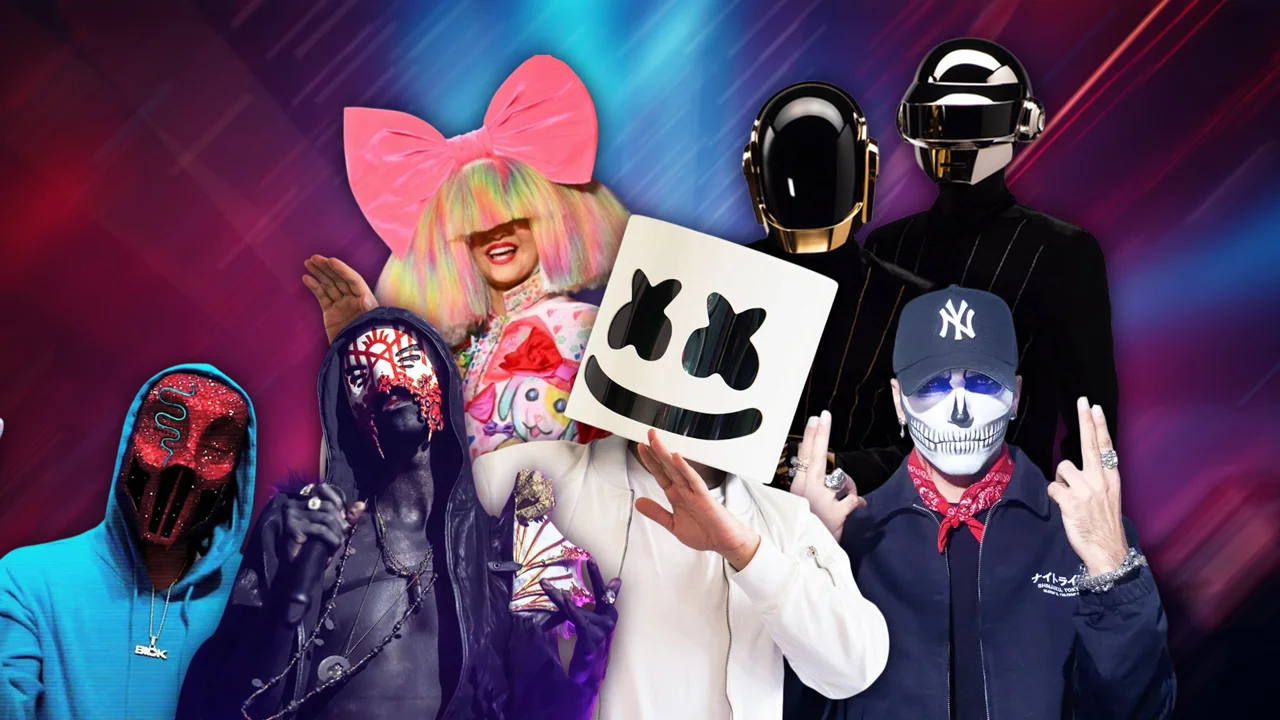
In this age of hyper-visibility and the “influencer-artist” imperative, a radical counter-culture has emerged in the global music charts. We are living through the dawn of the Masked Singers, a group of top vocalists and producers who have come to the realization that their faces are the least interesting thing about them. From the high-tech helmets of the West to the traditional and strategic veils that are emerging from the Indian indie scene, anonymity is no longer a marketing ploy; it is a smart shield against the digital fatigue of 2026. (Image courtesy: reddit)
But what would drive an artist to remain a ghost in the machine at the height of their powers?
The Psychology of Masked Singers: Why Anonymity is Trending
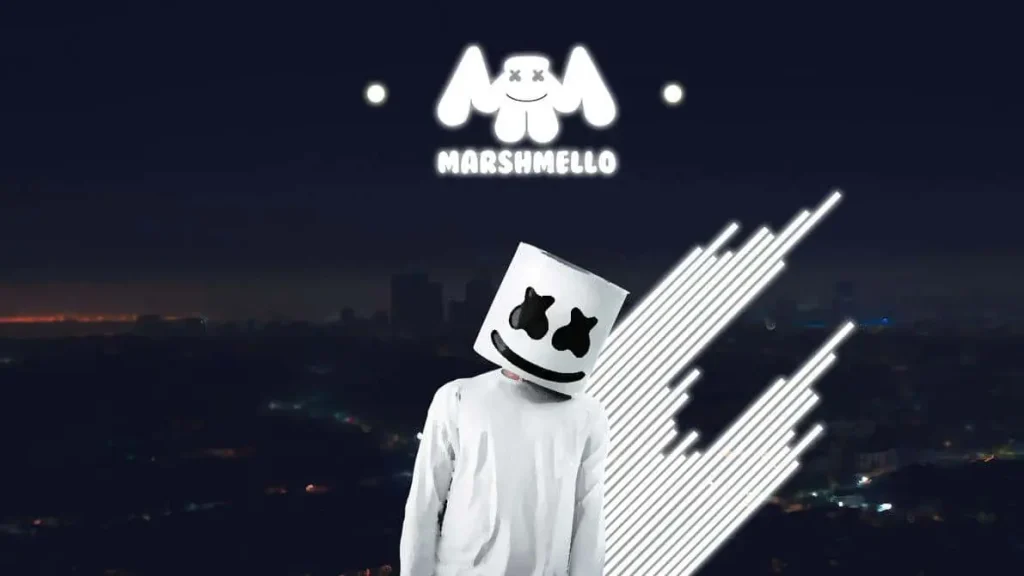

As we find ourselves in this current environment, it is evident that the decision to become one of the many Masked Singers is not simply a function of the “cool factor.” In light of recent trends in the industry, there are three psychological components that underlie this choice: (Image courtesy: wallpapers)
1. The Death of the Ego
For many, the mask is a tool for “ego-death.” In a typical pop career, the artist’s physical appearance becomes a commodity to be judged, edited, and sold. By removing the face, the artist forces the audience to return to the auditory roots of music. It’s a statement that says, “The frequency matters more than the fashion.” This creates a purer connection between the listener and the lyric, free from the biases of “pretty privilege” or ageism.
2. Safeguarding Mental Health
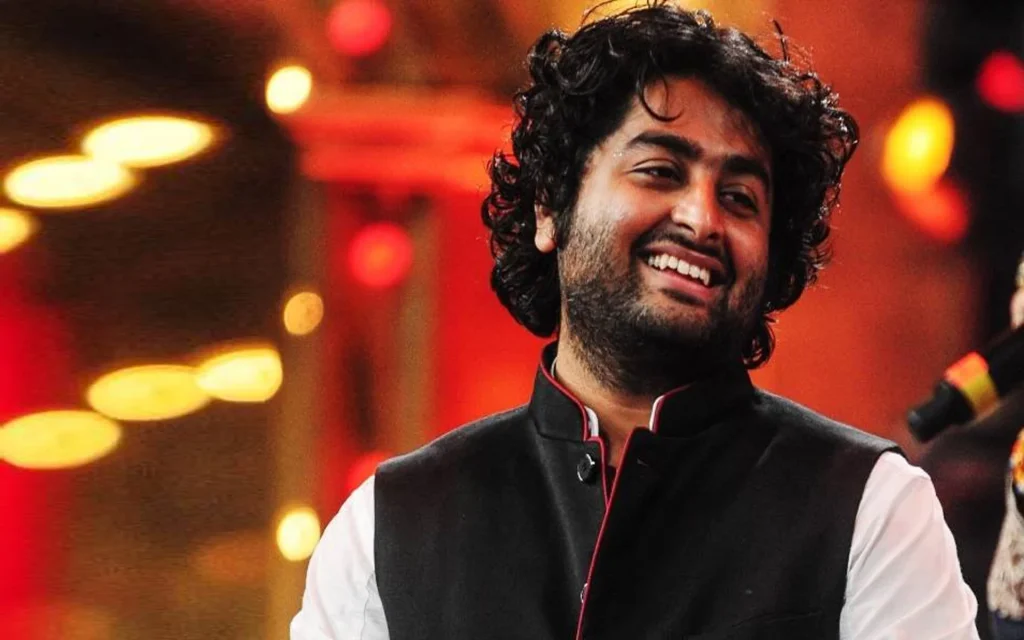

The “paparazzi tax” is higher than ever in 2026. With AI-driven tracking and the constant demand for “authentic” social media content, artists are burnt out. The mask serves as a physical boundary. It allows a singer to perform for 50,000 people at night and walk through a local park the next morning without being recognized. This separation of the “Public Avatar” from the “Private Self” is a proven defence against fame-induced anxiety. (Image courtesy: wallpapersafari)
Just recently, India’s favourite storyteller, Zakir Khan, announced a staggering 5-year break from the stage to focus on his mental and physical health. Even the voice of a generation, Arijit Singh, shocked the world in early 2026 by choosing to walk away from playback singing, citing a need for creative freedom away from the commercial grind.
When superstars like Deepika Padukone and authors like Shaheen Bhatt (Alia Bhatt’s sister) speak openly about clinical depression and the suffocating nature of public life, it becomes clear that “making it” often costs a person their peace. This is exactly why the next generation of Masked Singers is so important. By creating an alter ego, a masked version of themselves for the stage, they aren’t just putting on a show. They are building a suit of armour. They are protecting their souls from the spotlight, proving that you don’t need to sacrifice your identity to share your art with the world.
3. The Power of the Myth
Humans have an evolutionary predisposition to solve puzzles. An anonymous artist is a real-life enigma. By concealing their identity, Masked Singers are giving their fans a game to play. This is a “sticky” brand, fans are spending hours on Reddit and Discord trying to figure out who’s who, analysing the frequency of voices, and searching for clues in music videos. This is far more effective than any marketing campaign.
Global Icons: The Pioneers of the Unseen
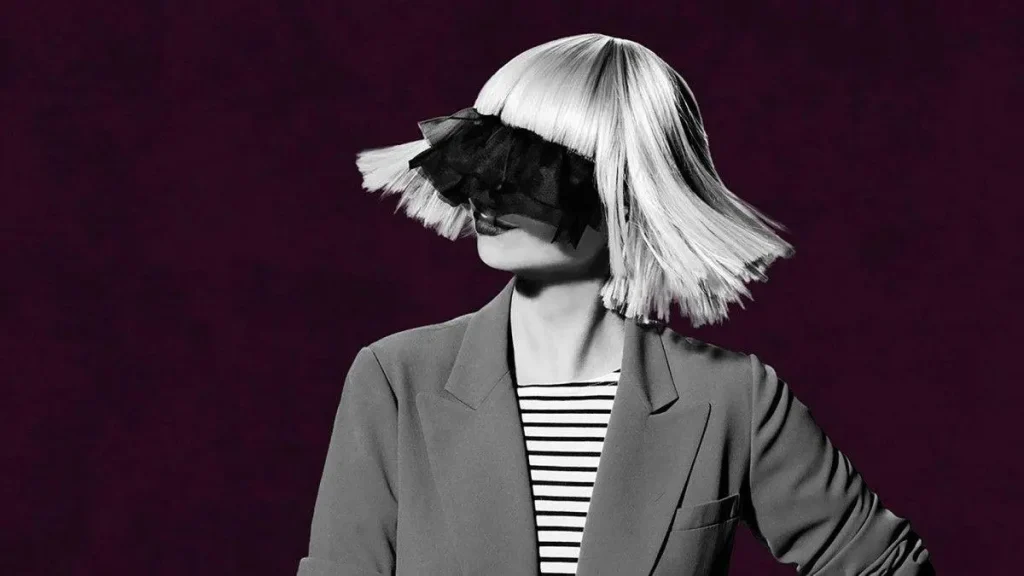
In order to grasp the 2026 movement, it is necessary to examine the pioneers who showed that behind a mask, an empire could be built. (Image courtesy: wallpapersafari)
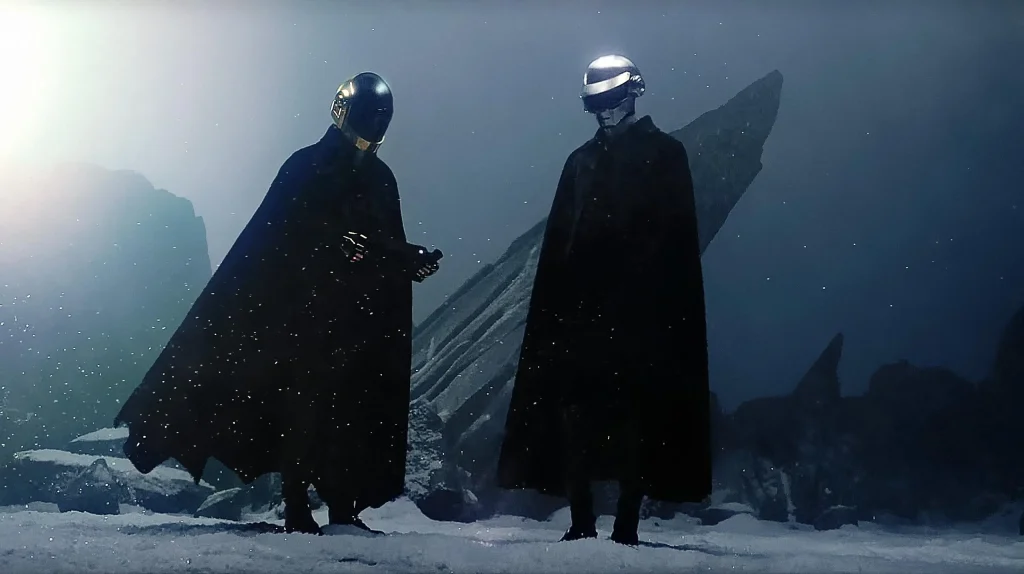
- Daft Punk: The gold standard. Their robot helmets weren’t just costumes; they were a philosophy of “sci-fi glam” that allowed two French producers to become global icons while remaining personally invisible for decades.
- Marshmello: By using a simple, smiling bucket head, Marshmello created a universal brand that transcends language and age. He isn’t a man; he is a character that anyone can identify with.
- Orville Peck: The country star uses a fringed mask to subvert the “outlaw” trope. His anonymity allows him to bridge the gap between high-fashion mystery and traditional storytelling.
- Sleep Token: A massive breakout in the rock scene, this band uses ritualistic masks to turn their concerts into an immersive experience. Fans don’t just watch a band; they participate in a “worship” session led by the enigmatic Vessel.
- Sia: Perhaps the most famous case of “mainstream anonymity,” Sia Kate Isobelle Furler spent years as a behind-the-scenes songwriter for stars like Rihanna and Beyoncé before her own career exploded with “Chandelier.” To deal with extreme fame anxiety and a desire for privacy, she began wearing giant, two-tone wigs that covered her eyes. For Sia, the wig was a shield against the “disease” of celebrity culture, allowing her to stay sober and grounded while her music dominated the world.
The Indian Wave: Masked Singers and the Desi Revolution
The Indian music industry is currently experiencing its own “unmasking” of sorts. While Bollywood has traditionally relied on the “star face” to sell records, the independent (Indie) scene is moving in a different direction.
Talwinder, India’s Favourite Masked Singer
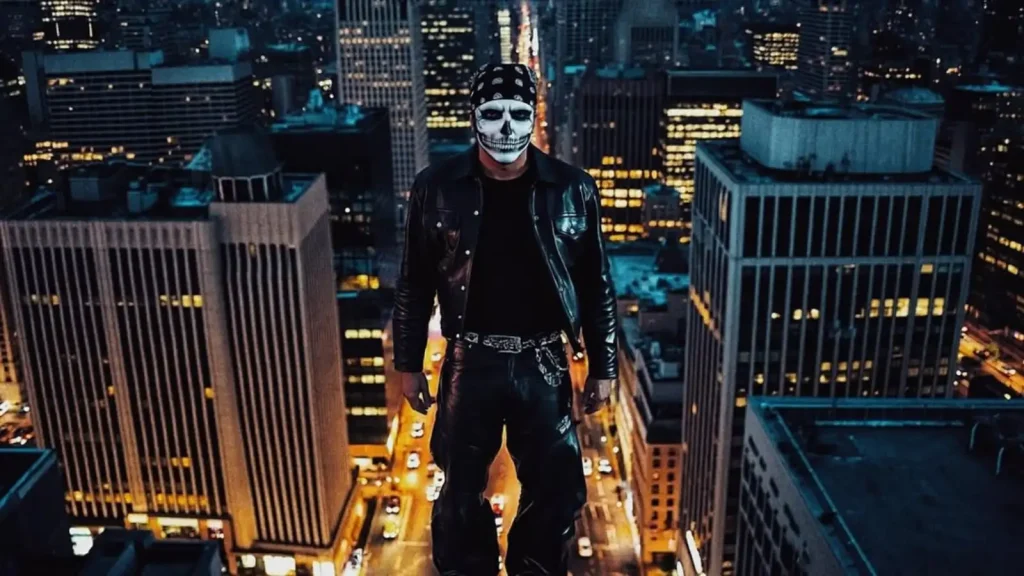
If you look at the Punjabi indie charts in 2026, one name stands out for his refusal to follow the rules: Talwinder. Known for his tactical masks and avant-garde veils, Talwinder has become a cult icon. His aesthetic is “soulful-trap,” and his masks often reflect a mix of street culture and deep, introspective artistry. He has proved that the Indian audience is ready for an artist who prioritizes “vibe” over “visibility.” (Image courtesy: sociofyme)
Darinda
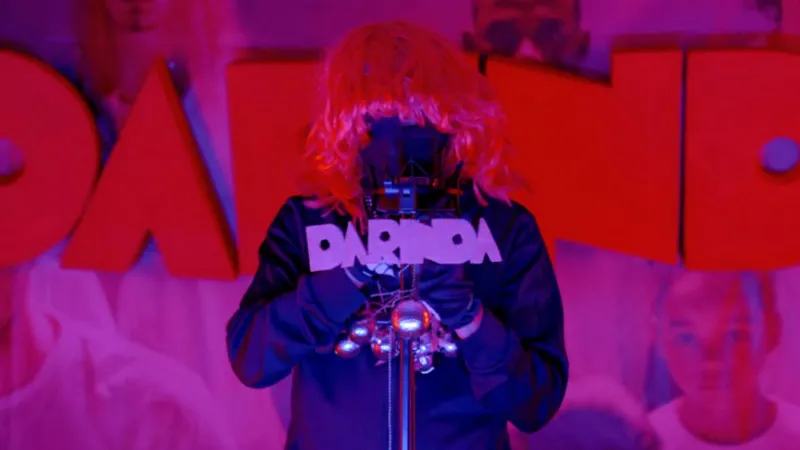

A viral sensation who has taken the internet by storm, Darinda represents the meme-culture side of anonymity. By keeping his identity hidden, he has allowed his songs (like the massive hit “Juice Pila Do”) to take on a life of their own. He remains a mystery, proving that you don’t need a high-budget PR team when you have an unforgettable persona. (Image courtesy: firstindia)
Sickick
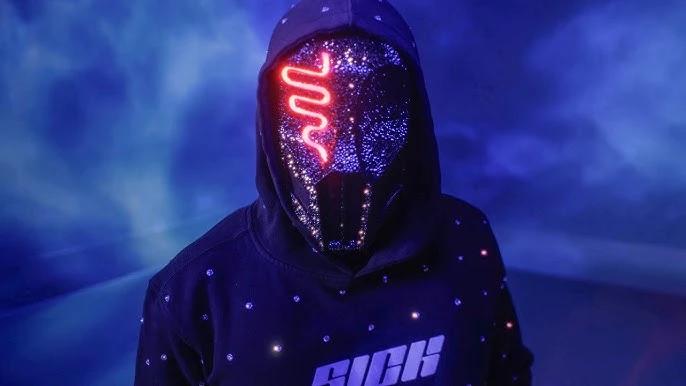

Though based globally, Sickick has a massive Indian fanbase. His mask is part of his “healing” narrative, using music to overcome his own social anxieties. This resonates deeply with a generation of Indian youth who feel the pressure of online perfection. (Image courtesy: ytimg)
The Economics of Anonymity: A Marketing Masterstroke
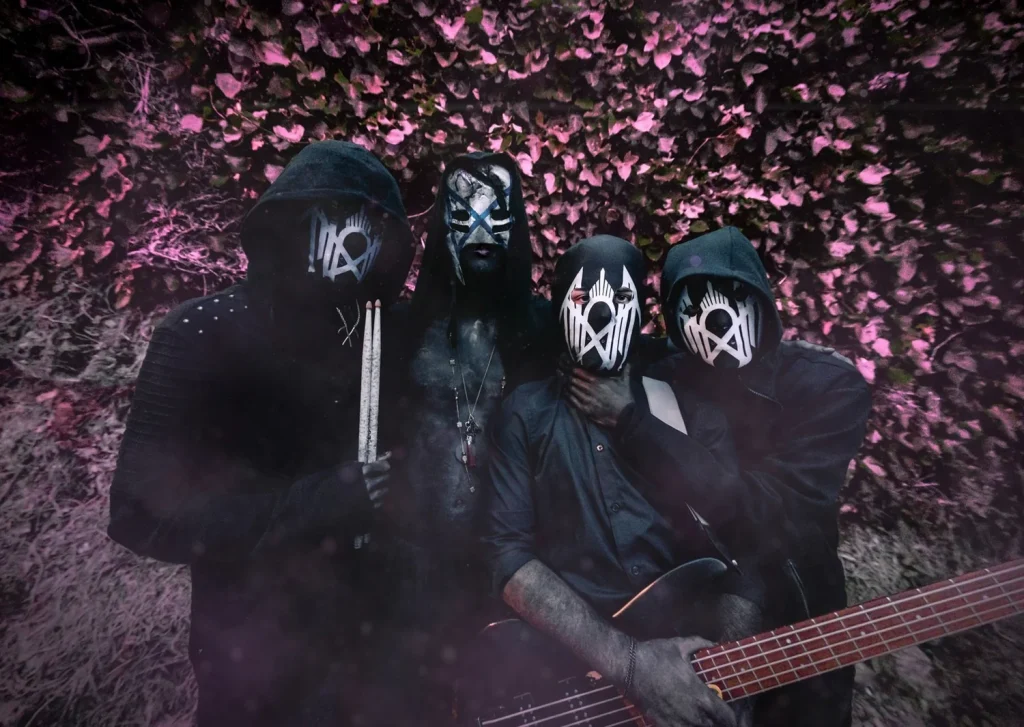

From a business perspective, being one of the Masked Singers is a brilliant move for longevity. A human face ages; a mask does not. An artist can perform for 40 years behind a helmet and never lose their “peak” visual appeal. Furthermore, the mask becomes a lucrative piece of merchandise. Fans don’t just buy a t-shirt; they buy the mask, the helmet, or the replica veil, turning the artist’s identity into a wearable IP (Intellectual Property). (Image courtesy: impericon)
Also in 2026, we are witnessing the emergence of Virtual Avatars. Some artists are now performing behind high-fidelity holograms or VR skins, taking the idea of the “mask” to the digital world. This enables them to go on world tours without ever having to leave their home studio, cutting down carbon emissions and touring exhaustion.
Conclusion: Why the World Needs Masked Singers
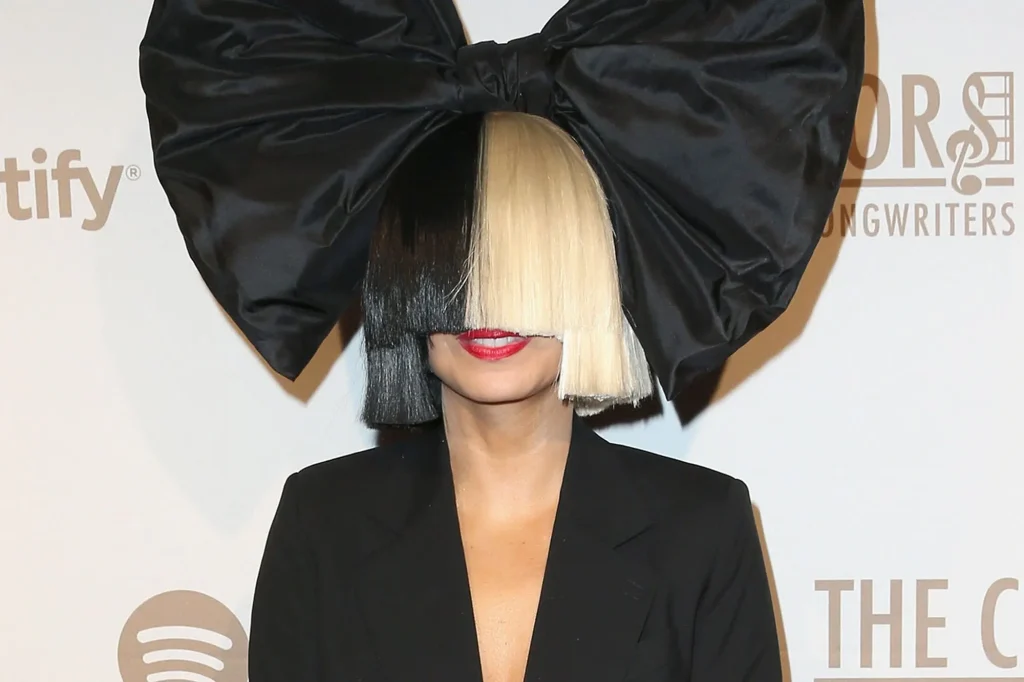

The Masked Singers phenomenon is a much-needed rebellion against the “Content Factory” of the 2020s. As AI and facial recognition technology render privacy obsolete, these artists are making a stand. They are a reminder that music is an invisible art form that is meant to be experienced in the dark, not scrolled through on a screen. (Image courtesy: cloudinary)
Whether it is the bone masks of Talwinder or the LED helmets of the electronic cognoscenti, the message is clear: the face behind the music is irrelevant compared to the magic of the music itself. In a world that is constantly watching, being invisible is the only way to truly be heard and probably protect mental health.
To bring such transformational voices to your stage, like Prateek Kuhad, Euphoria, Lucky Ali, and many more on women’s cricket team, book through engage4more—India’s top platform for keynote speakers and talent. With over 2,500 artists, pacy bookings, and free event publicity, engage4more makes inspiration accessible, unforgettable, and meaningful. Also, enjoy our value adds like complimentary quizzing for your events along with free publicity by our post-event coverage via our social media handles!
FAQs
1. Why are masked singers becoming popular in 2026?
Masked singers are gaining popularity in 2026 as artists push back against hyper-visibility, social media pressure, and constant public scrutiny. By staying anonymous, musicians protect their mental health, reduce burnout, and allow audiences to focus purely on the music rather than appearance, lifestyle, or online persona.
2. Is anonymity just a marketing strategy for musicians?
While anonymity can be a powerful branding tool, for most masked singers it goes far beyond marketing. It functions as emotional armour—helping artists separate their private lives from their public work, avoid fame-induced anxiety, and create long-term sustainable careers without sacrificing personal identity.
3. Who are the most famous masked singers globally?
Some of the most influential masked or anonymous musicians include Daft Punk, Marshmello, Sia, Sleep Token, Orville Peck, and Sickick. These artists proved that anonymity can coexist with massive commercial success, cultural impact, and deep fan loyalty.
4. Which Indian artists are leading the masked singer movement?
India’s indie music scene has embraced anonymity through artists like Talwinder and Darinda. These musicians challenge Bollywood’s face-first star culture by prioritising sound, mood, and storytelling—proving Indian audiences are increasingly open to vibe-driven, identity-light artistry.
5. Will masked singers and virtual avatars shape the future of music?
Yes, masked singers and virtual avatars are likely to shape the future of live performances and touring. With VR concerts, holograms, and digital personas becoming mainstream, artists can perform globally while reducing burnout, protecting privacy, and lowering environmental impact—making anonymity a long-term evolution, not a trend.