





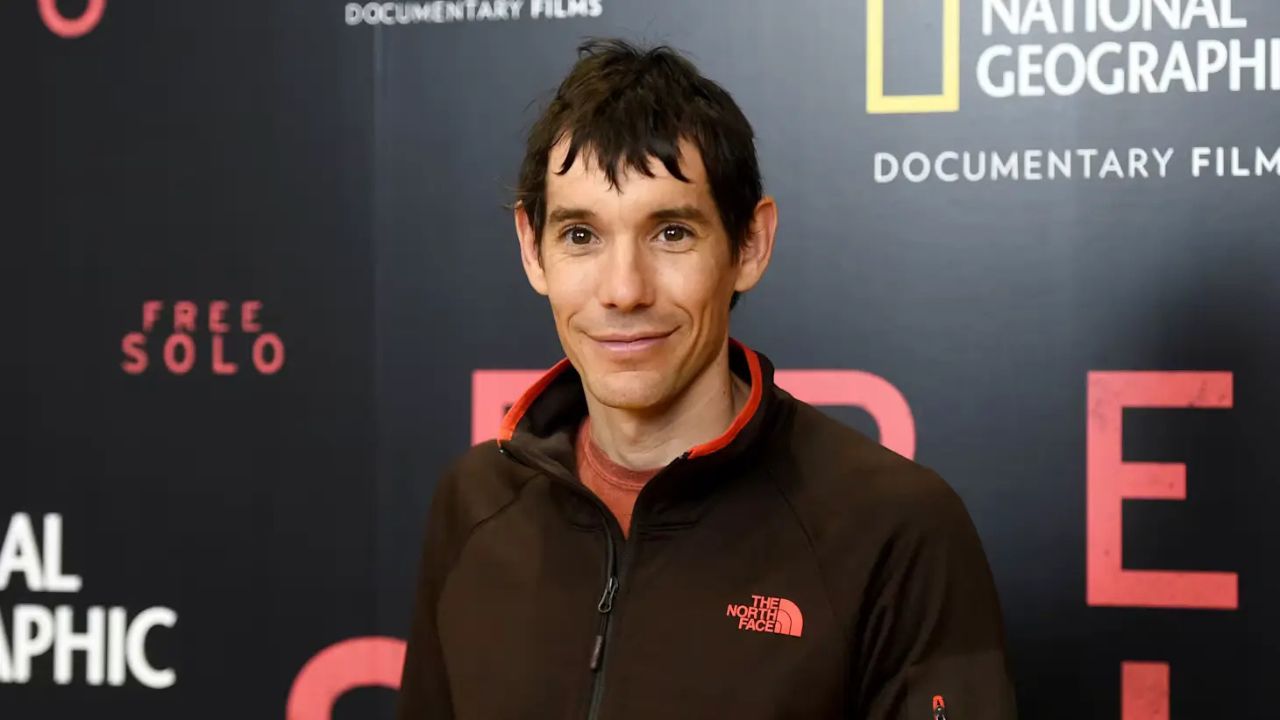
Exploring the Grit Behind the Alex Honnold Taipei 101 Ascent, Where Gravity is a law of physics, but for some, it’s merely a suggestion
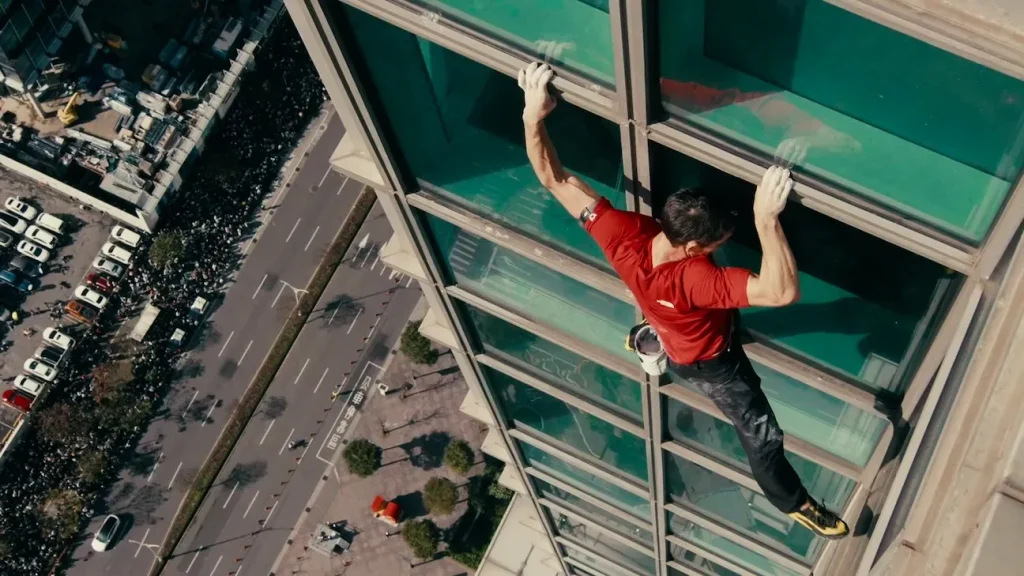

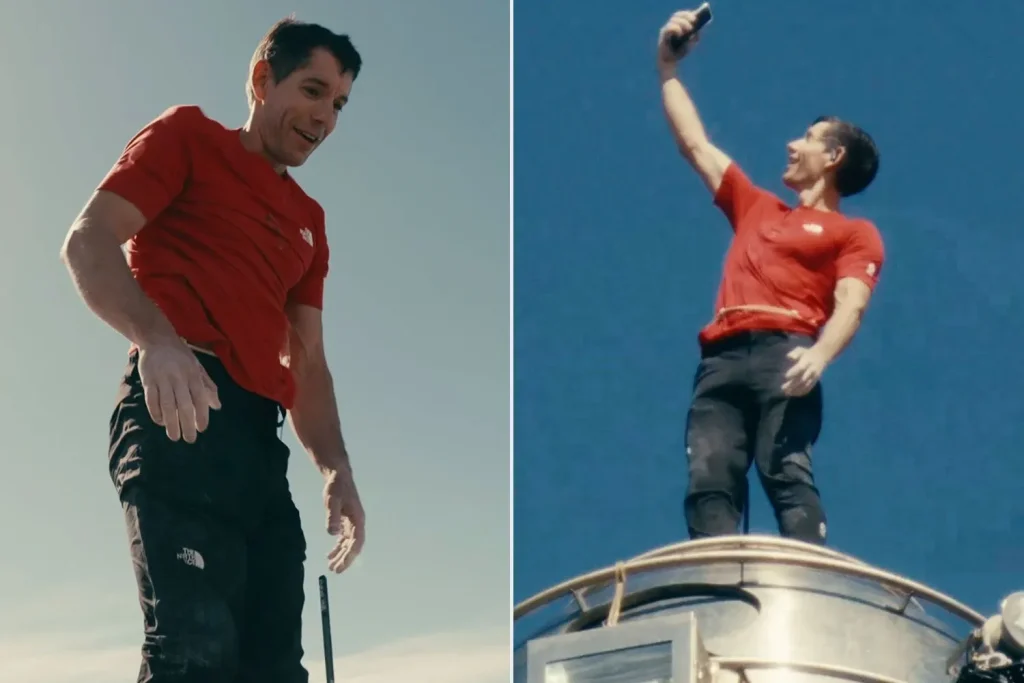
The collective gasp of the world was almost audible when the Alex Honnold Taipei 101 climb flashed across Netflix screens. Watching a lone figure press his palms against the cold glass of a 508-meter skyscraper, without a single safety line, felt less like a sporting event and more like a glitch in the matrix. But if we only obsess over the height, we’re missing the point entirely. This wasn’t just a “stunt.” As someone who deconstructs high-stakes performance, I see this as a visceral reminder of what happens when preparation meets an absolute refusal to let fear win. (Image Courtesy: hollywoodreporter)
The Anatomy of the Alex Honnold Taipei 101 Level Determination
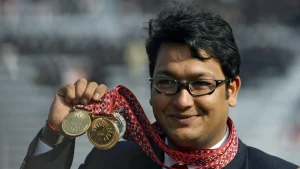
The engine driving the Alex Honnold Taipei 101 ascent isn’t adrenaline, it’s actually the opposite. It is a terrifyingly quiet internal focus. It’s the same fire that fueled Arunima Sinha in 2013. Her story is arguably one of the most harrowing in sports history. Thrown from a moving train by thugs, she lost her leg, only to decide from her hospital bed that she would summit Everest. (Image courtesy: nyt)
When she finally stood on the roof of the world on a prosthetic limb, she proved that the human spirit doesn’t just “cope” with trauma Her journey shares the same DNA as the Alex Honnold Taipei 101. A total mastery over the “what-ifs” of the mind.
Beyond the Alex Honnold Taipei 101 Spectacle: Icons of Grit

Determination isn’t a one-size-fits-all trait. It shows up in different arenas, often where you least expect it:
- Sifan Hassan: During the Tokyo Olympics, she tripped and hit the track in the 1500m. Most would have stayed down. She stood up, hunted the pack, and won.
- Erik Weihenmayer: He scaled Everest without sight, navigating the Khumbu Icefall through sound and the vibration of his ice axe.
- Terry Fox: Running a marathon a day on one leg across Canada, Fox showed that purpose can outrun even a terminal diagnosis.
- Zion Clark: Born without legs, Clark didn’t just “participate” in wrestling; he dominated it, proving the human body is more an instrument than a limitation.
The Science of Survival: Calm Under Pressure
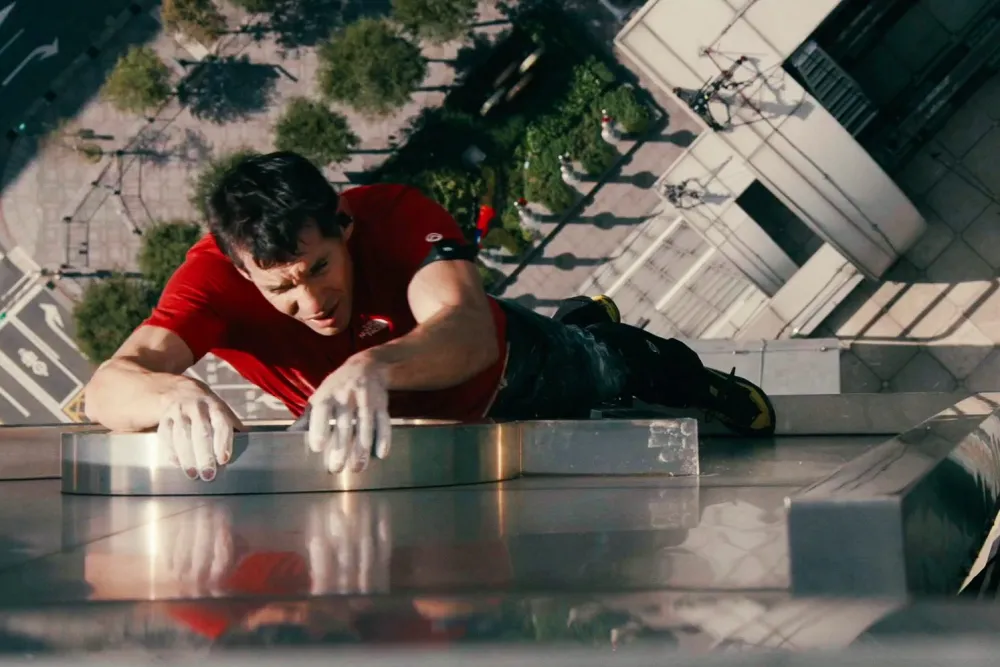

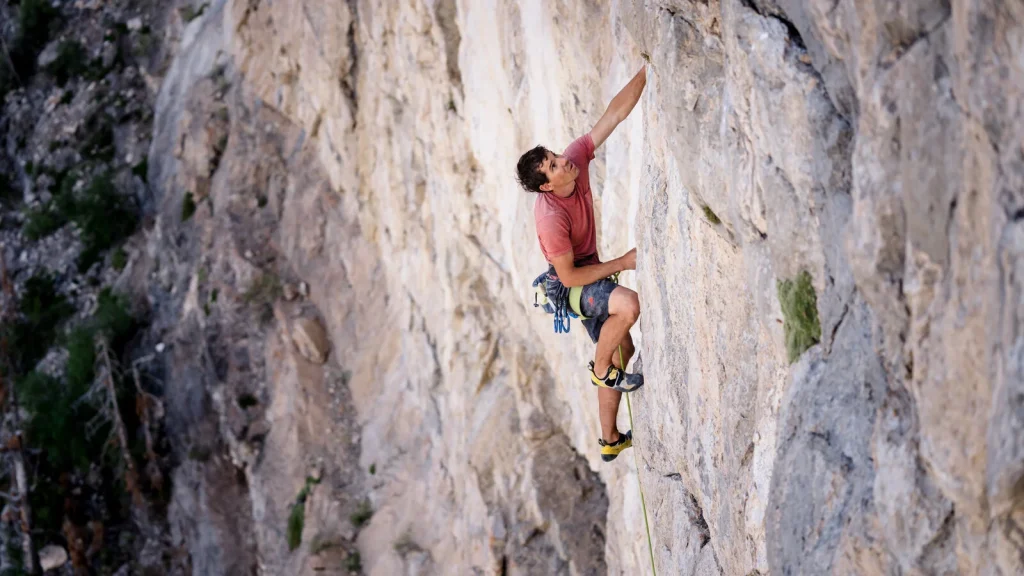
How do they do it? It’s down to a biological “override.” In high-stress moments, the amygdala, the brain’s alarm system, tries to paralyze you. However, elite performers have trained their prefrontal cortex to stay in the driver’s seat. They don’t look at the 500 meters below; they look at the two inches of surface area in front of them. By shrinking the world down to the next micro-movement, they silence the panic. (Image courtesy: variety)
Why the Alex Honnold Taipei 101 Achievement Matters to You
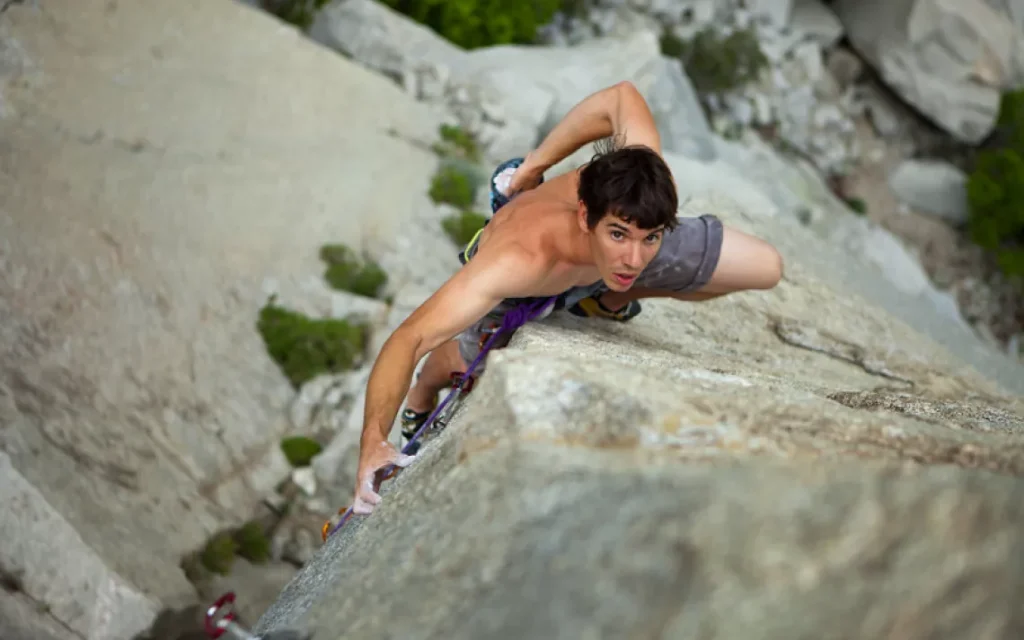

Most people will never hang from a skyscraper, but we all have our own “vertical walls” to climb; whether it’s a career risk, a health battle, or a personal loss. The lesson from the Alex Honnold Taipei 101 achievement is that fear is just a data point, not a stop sign. These individuals show us that our limits are often just mental scaffolding we have forgotten to take down. When you decide your “why” is bigger than your fear, the height doesn’t matter anymore. (Image courtesy: sierraclub)
To bring such transformational voice to your stage, book through engage4more—India’s top platform for keynote speakers and talent. With over 2,500 artists, pacy bookings, and free event publicity, engage4more makes inspiration accessible, unforgettable, and meaningful. Also, enjoy our value adds like complimentary quizzing for your events along with free publicity by our post-event coverage via our social media handles!
FAQs
1. Why is the Alex Honnold Taipei 101 climb considered more than a stunt?
Because it wasn’t driven by thrill-seeking or spectacle. Alex Honnold’s Taipei 101 ascent was the outcome of years of obsessive preparation, mental conditioning, and risk assessment. It represents mastery over fear, not ignorance of it—making it a case study in elite performance rather than a publicity stunt.
2. How does Alex Honnold manage fear during such extreme climbs?
Honnold trains his mind to narrow focus to the immediate task—hand placement, balance, breathing—rather than the consequences of failure. Neuroscience suggests this keeps the prefrontal cortex in control, preventing the amygdala (fear center) from hijacking decision-making under pressure.
3. What connects Alex Honnold’s climb to athletes like Arunima Sinha or Sifan Hassan?
All of them exhibit the same core trait: psychological dominance over “what-if” thinking. Whether it’s summiting Everest with a prosthetic limb or recovering mid-race after a fall, their grit lies in reframing fear as information, not a limitation.
4. Can ordinary people apply lessons from the Alex Honnold Taipei 101 ascent?
Absolutely. While most won’t scale skyscrapers, the principle applies universally—break overwhelming challenges into micro-steps, anchor yourself in preparation, and act despite fear. The climb becomes manageable when the focus shifts from the height to the next move.
5. Why are stories of extreme determination powerful for corporate and leadership audiences?
Because they mirror high-stakes decision-making in business and life. Stories like the Alex Honnold Taipei 101 ascent translate complex ideas—resilience, focus, emotional regulation—into unforgettable metaphors, making them highly effective in keynote sessions and leadership development programs.
About the Author
Sweetlena Mandal is a writer with more than seven years of experience across formats, she is known for her fluid, human-centric style that blends clarity, emotion, and purpose.