




Why the AR Rahman Controversy Proves the “Candid Artist Interview” is a Double-Edged Sword in 2026.
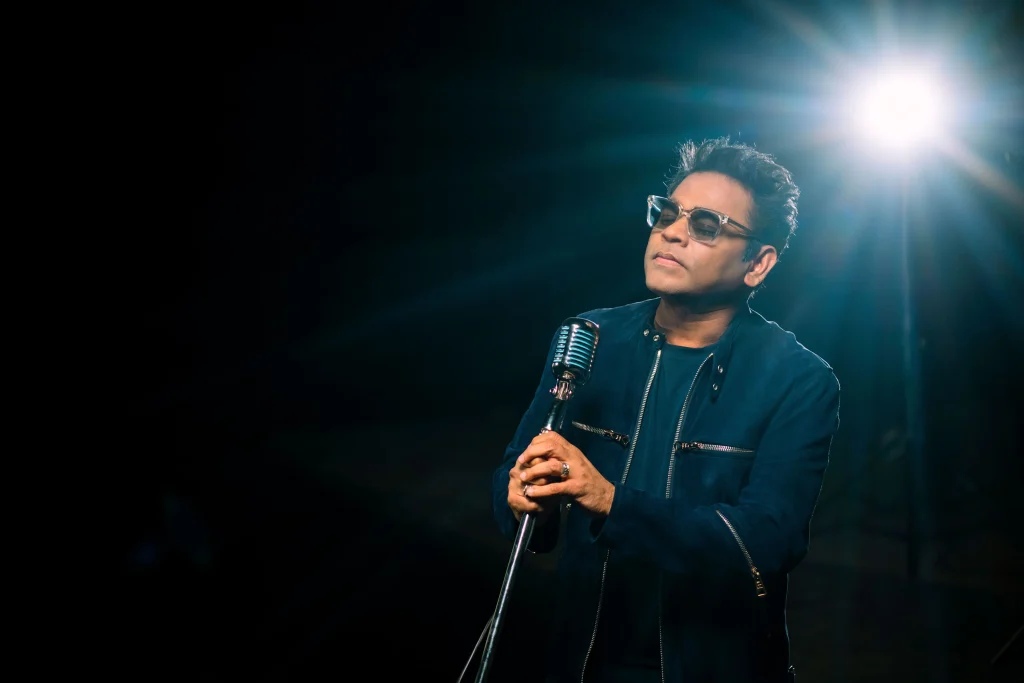

The “candid interview” has officially become the most high-stakes gamble in Indian pop culture. One hour “artist interview” behind a microphone can either humanize a legend or dismantle a legacy. (Image courtesy: framerusercontent)
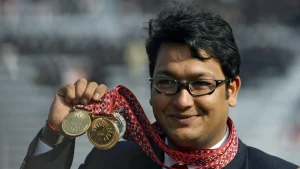
It started this January with Mary Kom. The boxing icon, usually the picture of iron discipline, sent shockwaves through the internet with a raw, messy revelation of divorce and financial betrayal on Aap Ki Adalat. Before the dust could even settle on that, AR Rahman, the man who usually speaks in whispers, dropped a sonic boom of a conversation with the BBC Asian Network that took the world by storm.
But as the headlines scream about “communal bias” and “industry politics,” we need to talk about the phenomenon of media interviews of artists that went wrong.
The Rahman Narrative: Bias or a Creative Plateau?
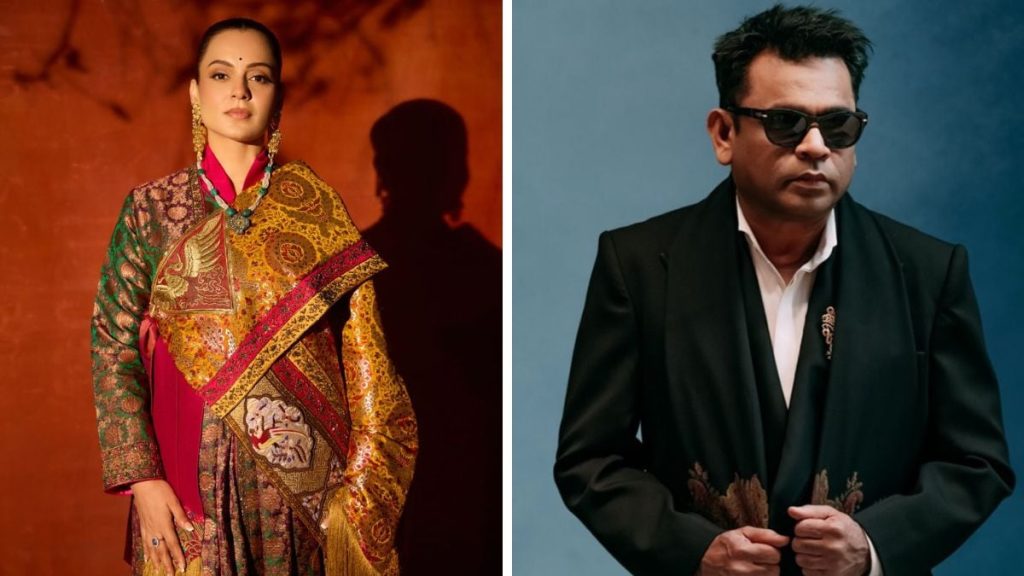

While Kangana Ranaut called him “prejudiced”, in his recent artist interview, Rahman suggested a “power shift” in Bollywood, hinting that “communal” undercurrents and “non-creative” executives are the reasons his phone has stopped ringing for major Hindi projects. It’s a heavy accusation, framing a global icon as a victim of a changing guard. (Image courtesy: financialexpressdigital)
But let’s look at the data, not just the drama. While Rahman laments the lack of offers, his discography over the last decade has felt increasingly stagnant. From the forgettable loops of Heropanti 2 to the polarizing sounds of Chhaava, the “Rahman Magic” has often felt like an echo of its former self. Is it a power shift, or simply a pulse shift?
The Rise of the “Fresh” Sound
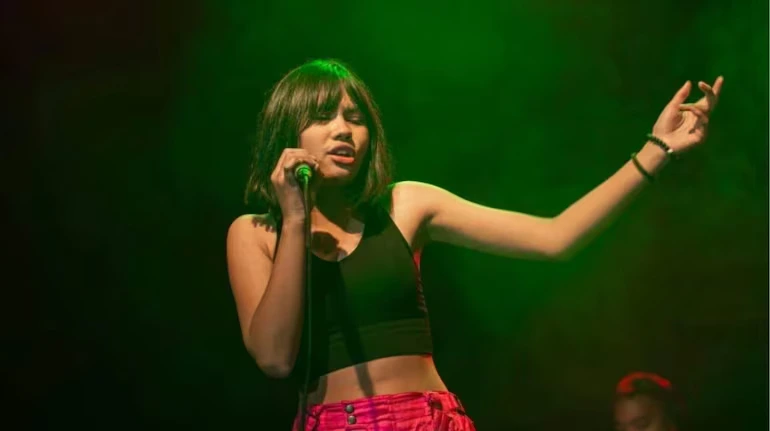

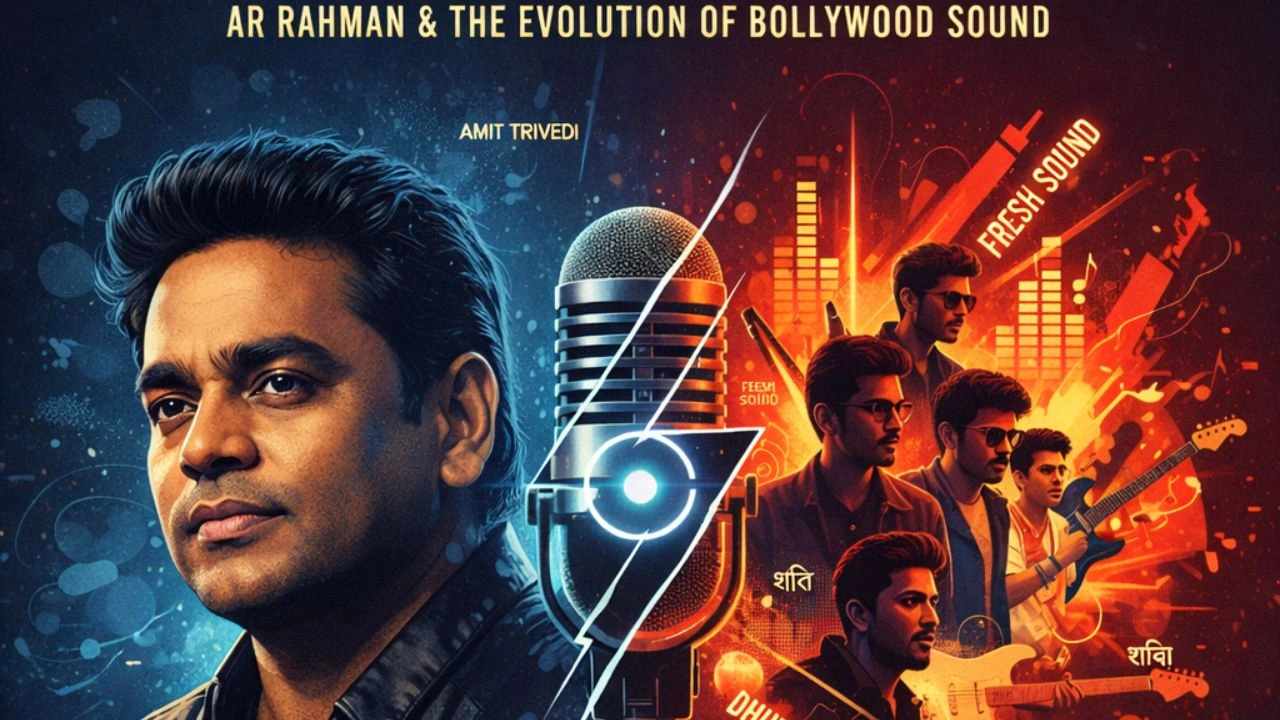
While the old guard talks about “Chinese whispers” and missing work, the industry has already moved on to architects who speak the language of 2026. (Image courtesy: moneycontrol)
Amit Trivedi, The king of texture: Amit Trivedi remains the gold standard because he doesn’t just compose; he builds worlds. Whether it’s the rooted soul of his Azaad project or his award-winning score for Shaitaan, he offers a grit that feels relevant to modern storytelling.
Shashwat Sachdev & the Dhurandhar Revolution: If you want to know where the energy went, look at the Dhurandhar soundtrack. Sachdev didn’t just write songs; he weaponized sound.
By bringing in Hanumankind and Jasmine Sandlas, he fused hip-hop aggression with Punjabi fire.
He didn’t just sample the past; he created a “stadium-ready” sonic wall that makes museum-piece compositions feel outdated.
The contrast between the “Old Guard” and the “New Wave” in 2026 isn’t just a matter of opinion, it’s a matter of decibels and data. While Rahman, in his artist interview, defends his legacy, the charts are being dominated by a sound that feels like it’s being made in a laboratory, not a temple.
Here is the breakdown of the sonic shift using the viral tracks from Dhurandhar (2025) and Rahman’s recent releases like Tere Ishk Mein and Chhaava.
The Sound Shift: Dhurandhar vs. Rahman (2025–2026)
| Feature | The New Wave (Dhurandhar) | The Legend’s Recent Style (Rahman) |
| Primary Architect | Shashwat Sachdev | AR Rahman |
| Flagship Viral Track | “Dhurandhar Title Track” (ft. Hanumankind & Jasmine Sandlas) | “Aawaara Angaara” (from Tere Ishk Mein) |
| Production Style | Aggressive & Industrial: Uses trap beats, metal riffs, and high-energy EDM drops. It feels “stadium-ready.” | Orchestral & Layered: Deeply melodic with rich live instrumentation (violins, flutes) and intricate vocal harmonies. |
| Approach to Nostalgia | Weaponized Sampling: Takes retro classics like “Monica” or “Yeh Ishq Ishq” and “resurrects” them with a dark, modern twist. | Pure Originality: Strictly avoids loud remakes; focuses on “pure music” and soul-stirring melodies that grow slowly. |
| Vocal Texture | Grit over Grace: High-frequency rap flows (Hanumankind) and raw Punjabi folk fire (Jasmine Sandlas). | Technical Perfection: Uses high-fidelity vocals (Arijit Singh) and Rahman’s own signature “divine” singing style. |
| Audience Vibe | The Pulse of 2026: Instant gratification; perfect for Instagram Reels, gym playlists, and “badass” entry scenes. | The Nostalgic Echo: Requires multiple listens to “sink in”; caters to the soul but often misses the “viral” mark. |
| Chart Performance | 11 tracks charted simultaneously in the Spotify Global Top 200. | Steady performance in the “Melody” charts but struggles to break into the global “Aggressive-Pop” lists. |
The Verdict on Artist Interview: Artistic Darwinism
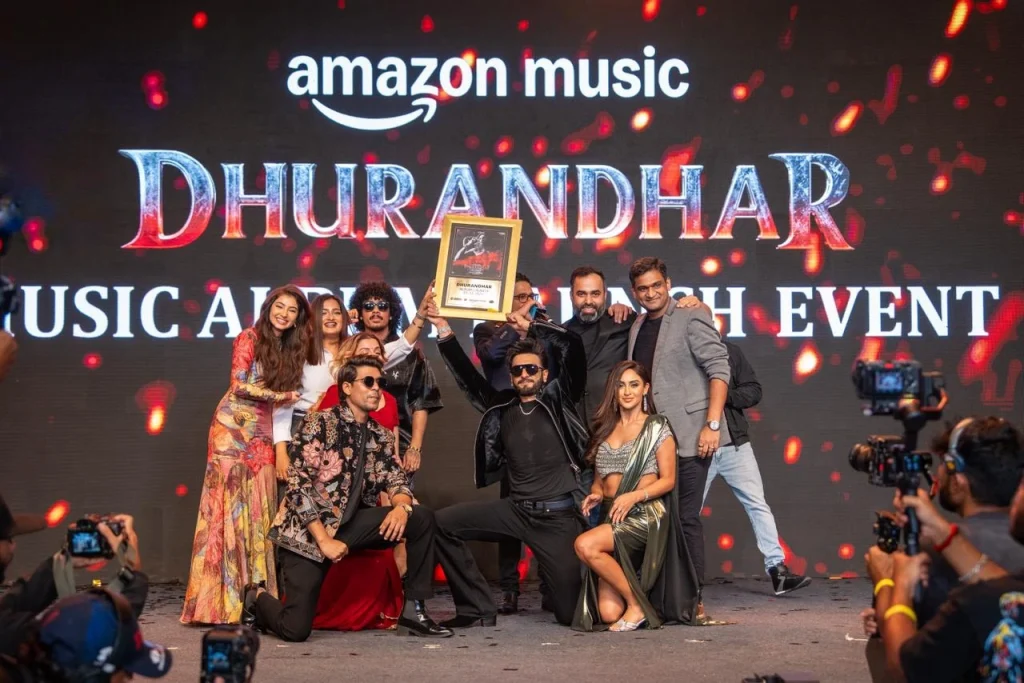
The controversy surrounding Rahman’s interview is a classic example of artist interview that went wrong because it ignores the brutal reality of the market: Artistic Darwinism. (Image courtesy: bollyspice)
Bollywood isn’t running on communal bias; it’s running on adrenaline. When a movie like Dhurandhar becomes a cultural moment because of its sonic energy, producers will naturally gravitate toward the creators of that vibe. New talents are winning because they are in sync with the heartbeat of the street.
Rahman is a monument, but even monuments can feel cold if they stop evolving. The industry doesn’t discriminate against icons; it discriminates against boredom. If your music isn’t the heartbeat of the moment, the “power shift” is just the world moving forward.
To bring such transformational voices to your stage, like Prateek Kuhad, Euphoria, Lucky Ali, and many more on women’s cricket team, book through engage4more—India’s top platform for keynote speakers and talent. With over 2,500 artists, pacy bookings, and free event publicity, engage4more makes inspiration accessible, unforgettable, and meaningful. Also, enjoy our value adds like complimentary quizzing for your events along with free publicity by our post-event coverage via our social media handles!
FAQs
1. What sparked the AR Rahman controversy in 2026?
The controversy began after AR Rahman’s candid interview with BBC Asian Network, where he hinted at industry bias, communal undercurrents, and a power shift in Bollywood that allegedly affected his work opportunities.
2. Why are candid artist interviews considered risky today?
In 2026, candid interviews amplify every word instantly. While honesty can humanize artists, it can also trigger backlash, misinterpretation, or shift the narrative from art to ideology, making interviews a double-edged sword.
3. Is Bollywood really biased against AR Rahman, as suggested in the interview?
The blog argues that the issue may be less about bias and more about relevance. Bollywood increasingly prioritizes high-energy, viral-ready soundscapes that resonate with today’s audiences, favoring composers aligned with current trends.
4. How has Bollywood’s music taste changed in recent years?
The industry has shifted toward aggressive, industrial, and adrenaline-driven music suited for reels, gyms, and mass appeal. Composers like Shashwat Sachdev and Amit Trivedi reflect this evolution more strongly than traditional orchestral styles.
5. What does “Artistic Darwinism” mean in the context of this debate?
Artistic Darwinism suggests that survival in the creative industry depends on adaptation. Legacy alone no longer guarantees relevance—artists must evolve with audience taste, platform dynamics, and cultural energy to stay dominant.
About the Author
Sweetlena Mandal is a writer with more than seven years of experience across formats, she is known for her fluid, human-centric style that blends clarity, emotion, and purpose.