
In the rapidly shifting corporate landscape of 2026, the “young energetic team” is no longer just a demographic subset; it is the primary engine of innovation and digital transformation. However, many HR leaders are finding that traditional engagement methods are failing to resonate. The disconnect isn’t due to a lack of effort, but a lack of Shared Narrative. For Gen Z and Millennials, the old-school corporate monologue—where leadership dictates culture from a boardroom—is obsolete. They demand a culture they can co-create.
When engagement feels like a “Fun Friday” band-aid, high-potential talent sees it as a distraction from the lack of underlying substance. To truly unlock the vibrancy of a young workforce, leadership must move toward a Logical Sequence of Engagement. By utilizing the S.P.A.R.K.S. framework, organizations can move beyond “random acts of fun” and engineer a culture that drives measurable business ROI.
The Crisis of Disconnection in the Modern Office
Before we dive into the solutions, we must understand the “Engagement Gap.” Digital natives have been raised in an era of instant feedback and personalized content. When they enter a sterile office environment where communication is top-down and purpose is vague, they disengage. This isn’t “quiet quitting”—it is a search for meaning.
A “young energetic team” has a high baseline of enthusiasm, but without a structured framework, that energy dissipates into burnout or turnover. The S.P.A.R.K.S. framework acts as the containment vessel for this energy, directing it toward the enterprise’s soul.
Phase 1: The Destination & The Compass (S & P)
Every journey begins with knowing where you are going and how you intend to behave on the way. For young adults, “clarity” is the greatest motivator.
S: Shared Vision (The Destination)
You cannot engage a team if they don’t know where the ship is sailing. Most companies bury their vision in a PDF. To a young energetic team, this feels invisible.
-
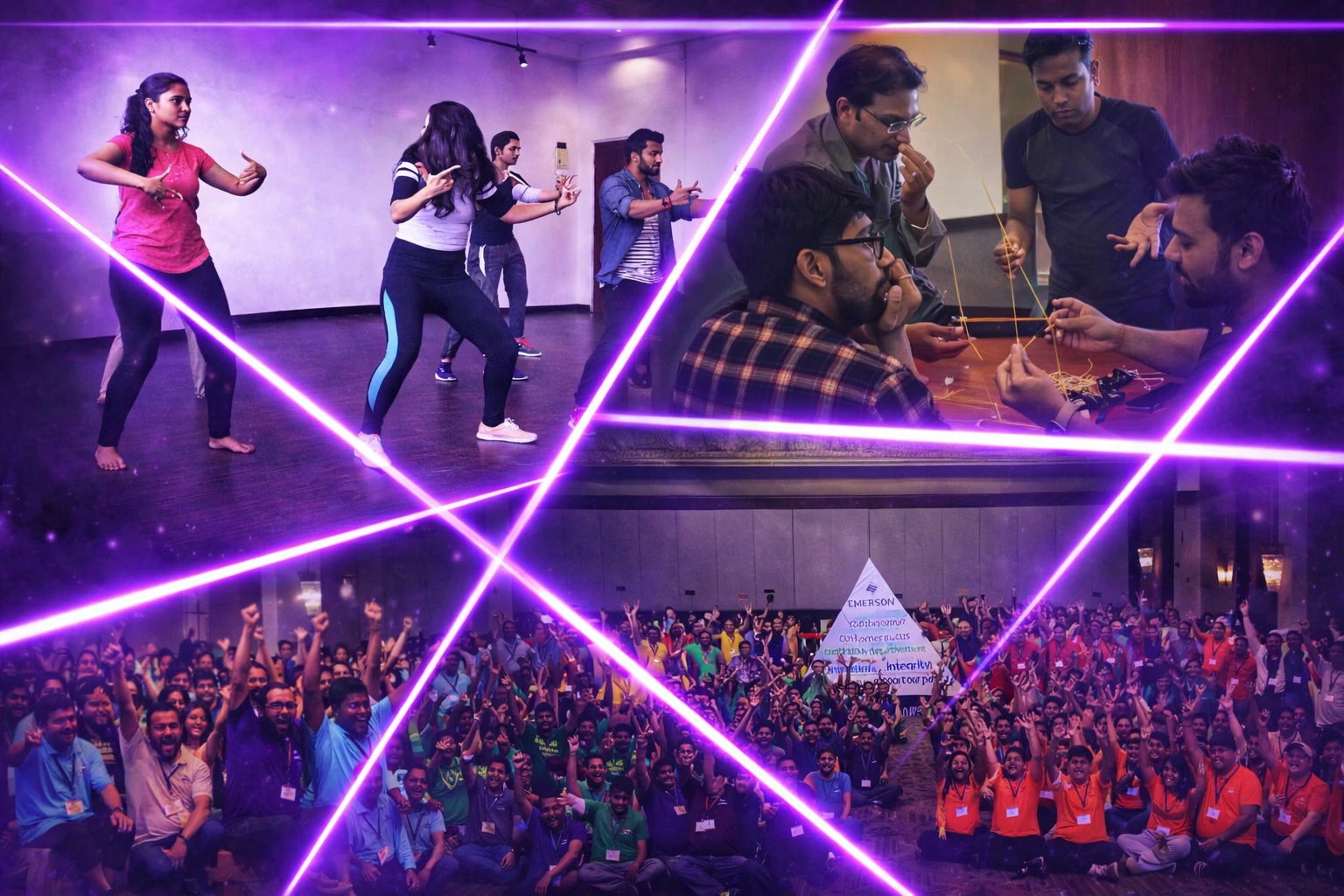
The Tactical Intervention: We move vision from a PowerPoint slide to a physical manifestation. Activities like Pyramid Building or a Collective Vision Board challenge are essential.
-
The Depth: In these exercises, the team must physically collaborate to build a structure that represents the company’s 3-year goal. When a junior developer and a senior manager are both holding the base of a physical pyramid, the “Vision” becomes a shared physical memory, not just a corporate slogan.
-
The S.P.A.R.K.S. Audit: Does your frontline staff know the company’s 3-year goal, or are they just hitting daily KPIs?
P: Principal Values (The Compass)
Once the destination is set, the team needs a compass. Values like “Integrity” or “Innovation” are often treated as posters on a wall. To Gen Z, this feels performative.
-
The Tactical Intervention: We use competitive, gamified platforms like Brain Bout.
-
The Depth: By turning value-testing into a high-stakes, tech-turbocharged social competition, you allow the team to discover the “Compass” through play. When values are gamified, they are internalized. The “young energetic team” learns that innovation isn’t just a word—it’s the winning strategy in the game they just played.
Phase 2: The Greater Good & The Road (A & R)
Young adults are uniquely driven by Altruism and Autonomy. They want to know their work matters and that the “Rules” aren’t just there to stifle them.
A: Altruism & CSR (The Greater Good)
Today’s workforce demands to know that their daily grind contributes to the future of society. CSR is no longer a compliance checkbox; it is a retention driver.
-
The Tactical Intervention: The “Connect to Cause” (CTC) approach. Don’t just write a cheque; engage them in hands-on activities like Bicycle Making for underprivileged children or Seed Bombing for environmental restoration.
-
The Depth: When an energetic team spends an afternoon building a wheelchair, the “Emotional ROI” is immense. They see the immediate, tangible change they have brought to the world. This anchors their loyalty to the organization far more than a standard bonus ever could.
R: Rules & Policy Frameworks (The Road)
This is where most engagement calendars drop the ball. When a company mandates a new policy, the next two quarters are critical for adaptation. Dry email memos lead to “compliance groans.”
-
The Tactical Intervention: Policy-themed Escape Rooms.
-
The Depth: Imagine a team trapped in a virtual or physical room where the only way to “escape” is by correctly utilizing the new cybersecurity protocols or HR operational mandates. This turns “Rules” into a high-adrenaline initiative game. It transforms the “Road” from a restrictive path into a challenge to be mastered.
Phase 3: The Vehicle & The Fuel (K & S)
The final phase focuses on the “Human” element—building the community and providing the necessary recharge.
K: Kinship & Culture (The Vehicle)
Culture is the psychological safety net of your organization. Digital natives often struggle with non-verbal EQ in a sterile office. Kinship is built through shared vulnerability and inspiration.
-
The Tactical Intervention: Motivational Talk Sessions and premium team-building retreats like Learn with Theatre.
-
The Depth: Kinship is built when departmental silos are broken down. By using theatre-based interventions or shared storytelling sessions, you build human-to-human empathy. This is the “Vehicle” that allows the team to innovate without fear, knowing their peers have their back.
S: Smiles & Thrills (The Fuel)
Notice that “Fun” is the last step, not the first. Once the destination is clear, the values are set, and the culture is safe—then you inject the high-energy thrills.
-
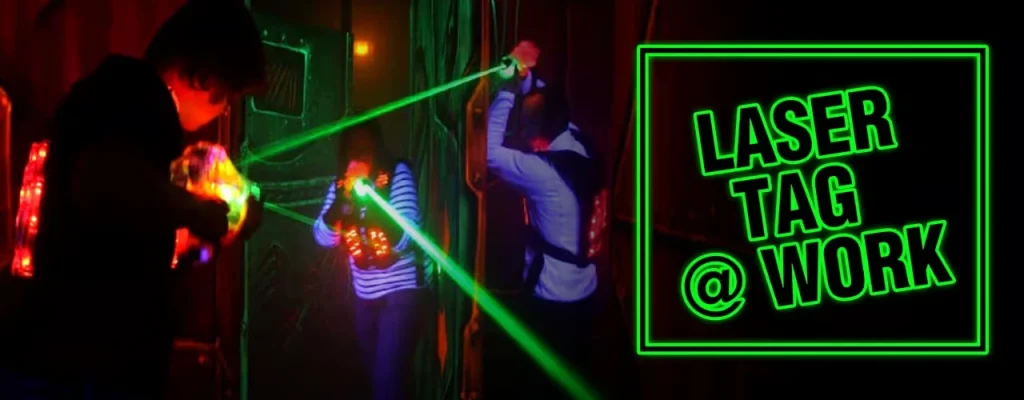
The Tactical Intervention: Live Bands, Stand-up Comedians, Laser Tag, or Paintball wars.
-
The Depth: For a Gen Z workforce, vibrant, floor-based engagement recharges the batteries. This is the “Fuel” that prevents burnout. It’s the reward for the strategic alignment achieved in the previous five pillars. When the office erupts in genuine, unscripted laughter, you know the fuel is working.
Why the S.P.A.R.K.S. Strategy Wins the Retention War
This strategy succeeds because it respects the intellectual and emotional maturity of the modern workforce. It understands that a “young energetic team” isn’t looking for a distraction from work; they are looking for alignment with it.
1. It Replaces Instruction with Experience
Young adults prefer “learning by doing.” By putting them in the driver’s seat through Shark Tanks or Skill-Swaps, you validate their expertise.
2. It Fosters Authentic Belonging
By aligning personal values with corporate goals (Shared Purpose), you move from a transactional relationship to a transformational one.
3. It Engineered for ROI
Success is measured not by “smiles,” but by business metrics: improved employee Net Promoter Scores (eNPS), reduced turnover, and a proactive office atmosphere where communication is seamless.
The engage4more Advantage: The MORE² Philosophy
At engage4more, we believe engagement is a science. While the S.P.A.R.K.S. framework dictates the delivery, our underlying diagnostic tool is the MORE² Philosophy (Money, Objective, Role, Emotional Connect).
Developed by our founder, Nishant Parashar, this framework balances human priorities with tactical business enablers. We don’t just plan your calendar; we engineer your culture. Through our proprietary platforms like Brain Bout, CTC, and the cultural insights of The Good Gobar Show, we ensure your team-building is a strategic investment in your enterprise’s soul.
Explore our curated master catalogue of over 2,000+ Premium Corporate Team Building Activities, featuring tailored solutions for every corporate need:
Outdoor Team Building Offsites
FAQs
1. What is the most common mistake when engaging young energetic teams?
The biggest mistake is starting with “Smiles & Thrills.” If you host a pizza party but your team doesn’t understand the company’s vision, the engagement will feel hollow. Always start with the “S” (Shared Vision).
2. How do you motivate Gen Z without increasing salary?
Gen Z is driven by “Purpose” and “Autonomy.” By utilizing the Altruism pillar of SPARKS, you can provide the emotional ROI they crave through hands-on CSR and impactful shared narratives.
3. Are communication exercises actually effective for young adults?
Yes, but only if they are gamified. Standard trust falls are out; Policy-themed Escape Rooms and Innovation Shark Tanks are in.
4. How does S.P.A.R.K.S. help with remote or hybrid teams?
The framework is platform-agnostic. Shared Vision can be built through virtual boards, and Principal Values can be reinforced through our digital Brain Bout platform.
5. How do I measure the success of this strategy?
Measure the “S.P.A.R.K.S. Audit” points: Can your frontline staff articulate the vision? Are your new policies being adopted faster? Is your internal “Pride in Workplace” score increasing?