






Mary Kom vs. Onler Kom: Understanding the Complex Reality Behind the Headlines
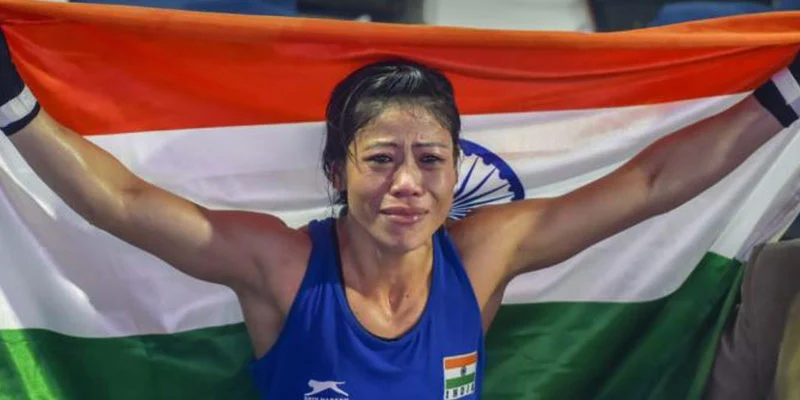

Mary Kom belonged to a country that watched her fight her way out of poverty, into the ring, and into history. She belonged to young girls who learned, through her fists and her persistence, that strength did not need permission. And after her biopic Mary Kom arrived in theatres, she also belonged to cinema: sharpened, simplified, and made mythic. (Image courtesy: manoramayearbook)
The film did something powerful and dangerous at the same time. It gave India a hero’s journey with clear emotional signposts. Mary Kom was the warrior. Her husband was the unwavering pillar. Love, sacrifice, and support were neatly aligned. For many viewers, especially women, it became more than a sports film. It became a template. This is what a supportive partner looks like. This is how a dream survives marriage, motherhood, and social pressure.


Years later, as uncomfortable headlines circulate and personal matters spill into public forums like Aap ki Adalat, that template begins to crack. Not because one side has been conclusively proven right or wrong, nobody outside the people involved truly knows the full reality, but because the story we thought we knew no longer fits.
Public’s Reaction to Mary Kom
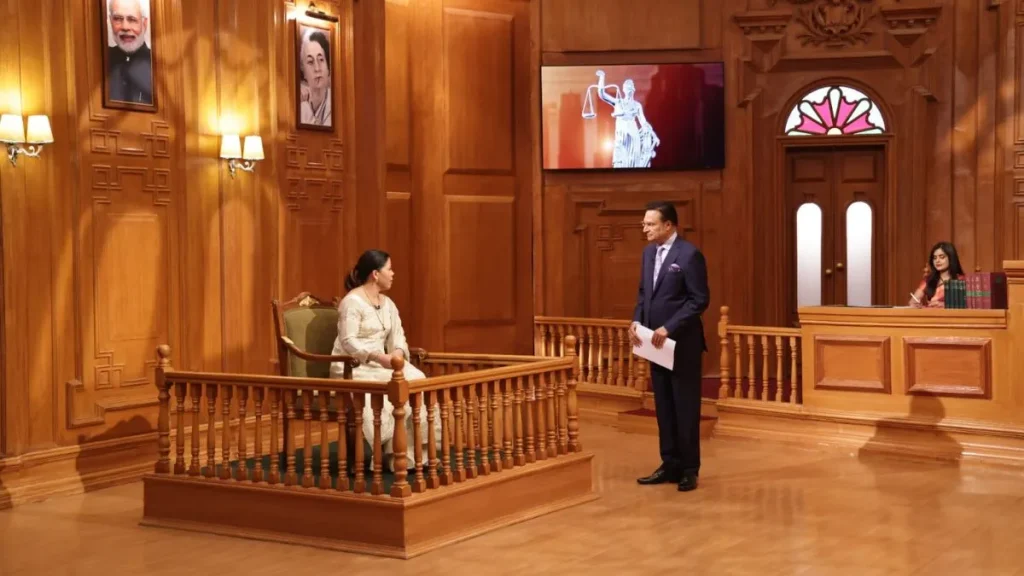

Public reaction has swung wildly, as it often does. Some rush to defend the icon, arguing that even legends are allowed private pain. Others feel betrayed by the collapse of an ideal they had absorbed deeply. The anger is real, but it is fractured. (Image courtesy: indiatv)
Biopics have a peculiar power. They promise truth while delivering narrative. They flatten years into scenes, contradictions into arcs. In doing so, they often turn people into symbols before they have finished becoming themselves. Mary Kom’s life was still unfolding when her story was declared complete on screen.
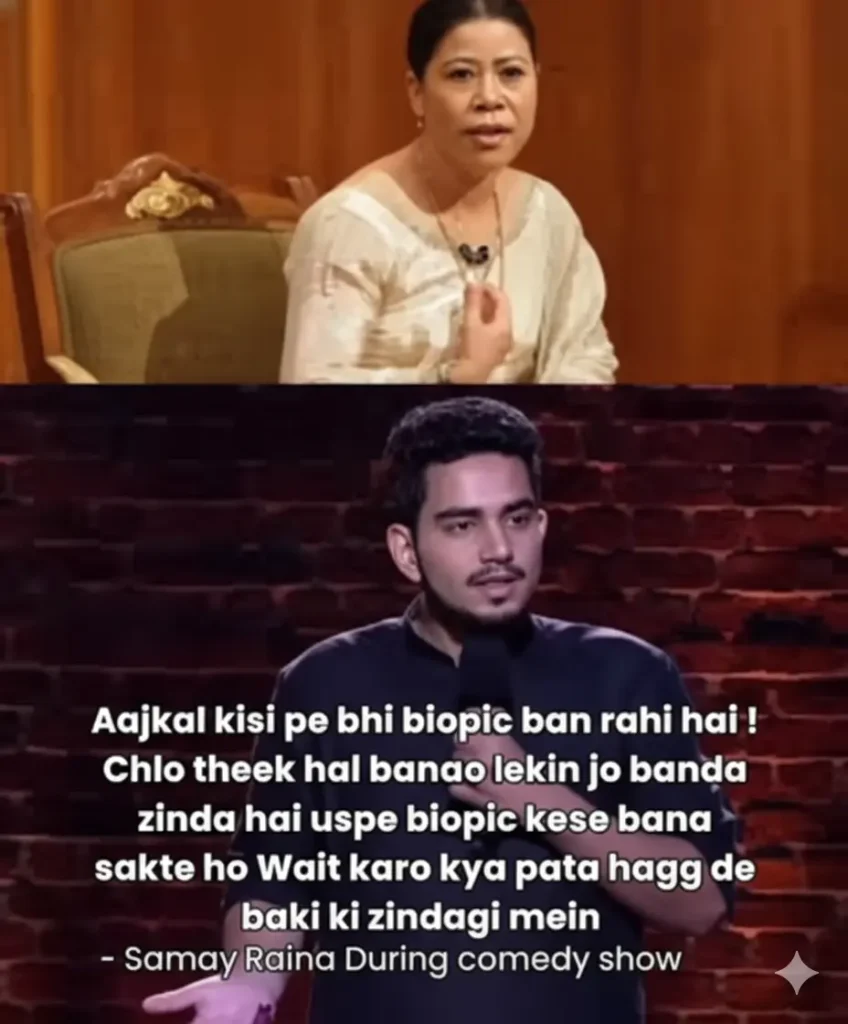

This reminds us how Samay Raina once half-jokingly said that we should hesitate before making biopics about people who are still alive. Not because they will “mess up,” but because life refuses to stay loyal to storytelling.
Why the Outrage?
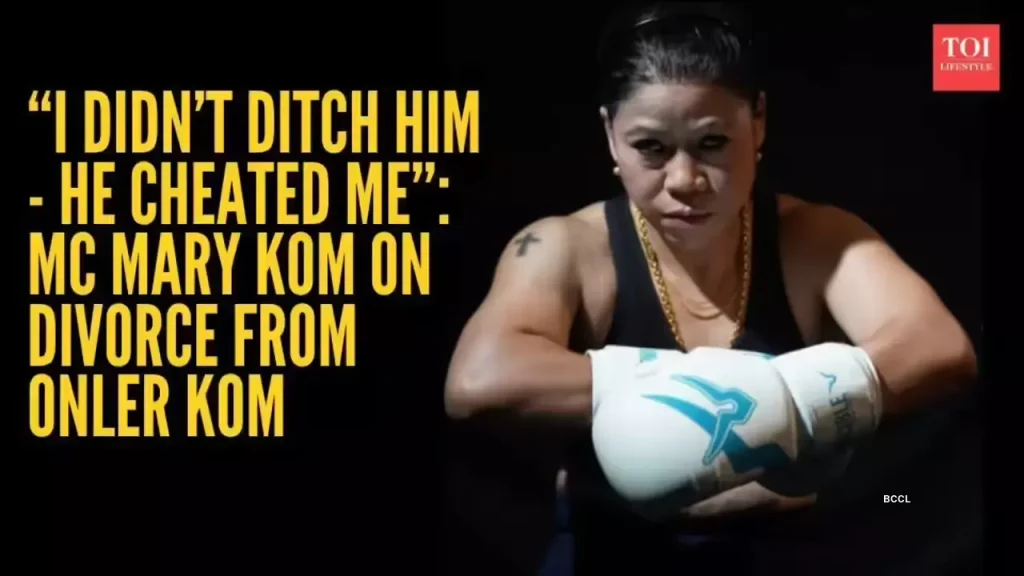
There is also a quieter truth beneath the noise: we often demand moral clarity from women icons in a way we rarely do from men. Mary Kom was not just a champion; she was made into proof that motherhood doesn’t weaken ambition, that marriage can be perfectly supportive, that endurance solves everything. When cracks appear, it feels less like a personal matter and more like a collective loss of faith. (Image courtesy: toiimg)
But maybe the more honest lesson is not disappointment rather it is humility.
Fan’s Takeaway


Humility in accepting that inspiration does not require perfection. That a woman can be extraordinary in her public life and still struggle privately. That a husband can be supportive in one phase and fall short in another, or simply be different from the version cinema preserved. That two people can share a past that was once functional, even loving, without being bound to protect its image forever. (Image courtesy: toiimg)
Right now, we stand in the middle of a situation without full answers. The loudest voices want verdicts. But perhaps the more responsible position is restraint.
Ending Note
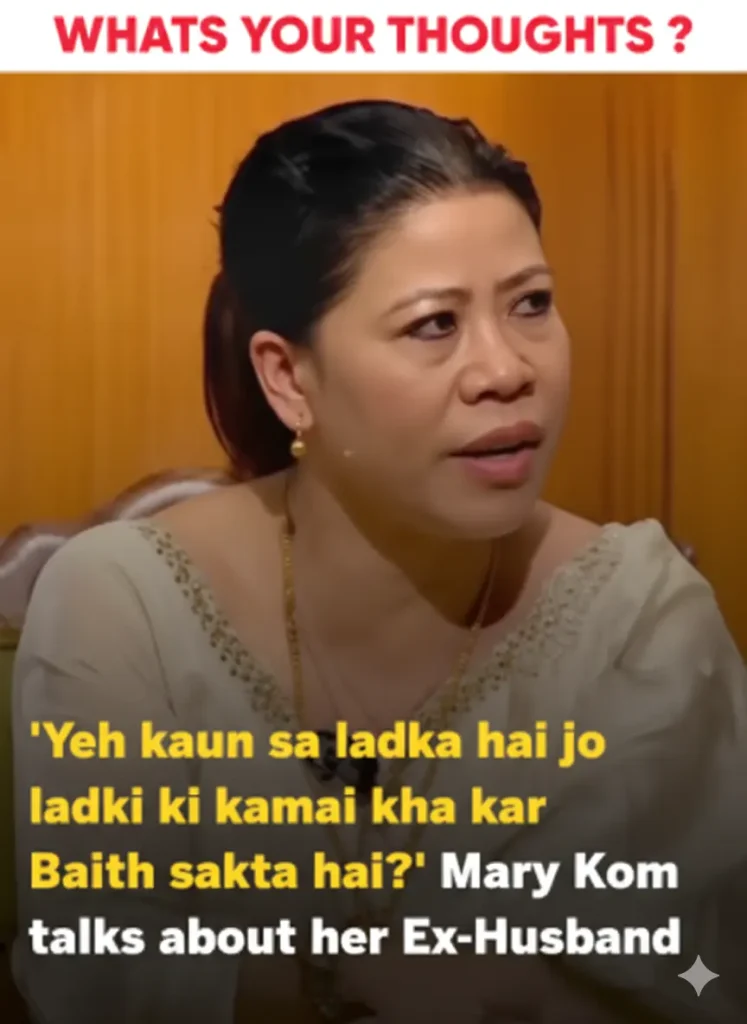

Because not every story needs heroes and villains. And not every truth arrives clean. Mary Kom’s fists taught the country how to fight. This moment, uncomfortable as it is, may teach us something harder: how to sit with complexity, resist instant idolisation, and allow real people the dignity of being unfinished. That may not be as cinematic. But it is far more human.
FAQs
1. Why is Mary Kom’s personal life being discussed so publicly now?
Because public figures often carry symbolic weight beyond their professional achievements. When private disputes enter public forums, they collide with the carefully constructed narratives people have internalised—especially through biopics and media portrayals.
2. Does this situation change Mary Kom’s legacy as an athlete?
No. Mary Kom’s sporting achievements, discipline, and contribution to Indian boxing remain intact. Personal struggles do not erase professional excellence; they simply remind us that greatness and vulnerability can coexist.
3. Is it fair to compare real-life events with a biopic portrayal?
Not entirely. Biopics are narratives, not documentaries. They simplify timelines, amplify emotions, and often freeze relationships at a moment that suited the story, not the future.
4. Why does public disappointment feel so intense in cases like this?
Because Mary Kom was made into more than a champion—she became a moral and emotional template. When that image fractures, it feels like a personal betrayal, even though real lives are rarely that linear or ideal.
5. What is the most responsible way for audiences to engage with such stories?
With restraint. By acknowledging that we don’t have full context, resisting instant judgments, and allowing space for complexity rather than demanding neat conclusions.
6. Why is it important to have platforms that allow nuanced conversations around public figures?
Because leadership, resilience, and influence are rarely one-dimensional. Conversations like these highlight the need for spaces, such as those curated at engage4more, that acknowledge complexity, growth, and contradiction, rather than limiting public figures to applause-worthy moments alone.
About the Author
Sweetlena Mandal is a writer with more than seven years of experience across formats, she is known for her fluid, human-centric style that blends clarity, emotion, and purpose.