



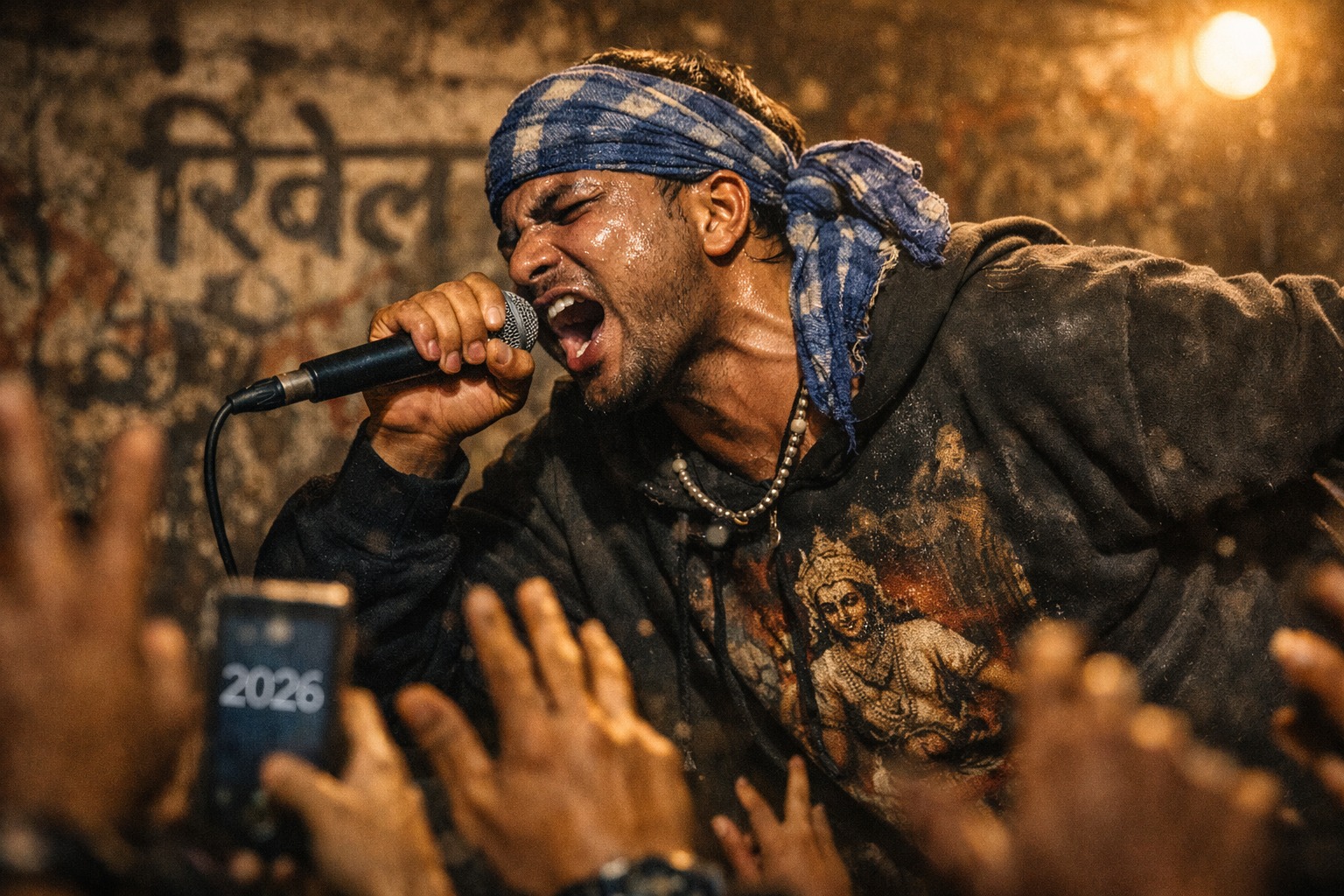
The Great Shift: From Elite Patronage to the Street Revolution
For centuries, the “high arts” in India—classical music, intricate literature, and courtly dance—were sequestered behind the high walls of privilege. These were the domains of the elite, performed in languages and styles that remained inaccessible to the common man. Art was a form of “patronage”; the artist created for a king, and the king dictated the narrative.
However, as we move through 2026, a slow-burning evolution has shifted the microphone from the courts to the gullies. Today, Indian rap trends 2026 show us that art is no longer just for the few; it is a weapon for the many. This is the era of “The Sonic Rebellion.”
At engage4more, we have tracked this shift from the street plays (Nukkad Natak) of the 20th century to the viral 8K music videos of today. We recognize that music has evolved into the most potent tool not only to enjoy life but to bring systemic issues like social oppression and environmental justice to the global stage. For a modern organization, understanding this shift isn’t just about entertainment—it is about understanding the DNA of the modern Indian workforce and consumer.
The Great Democratization: Why Rap is the New Literacy

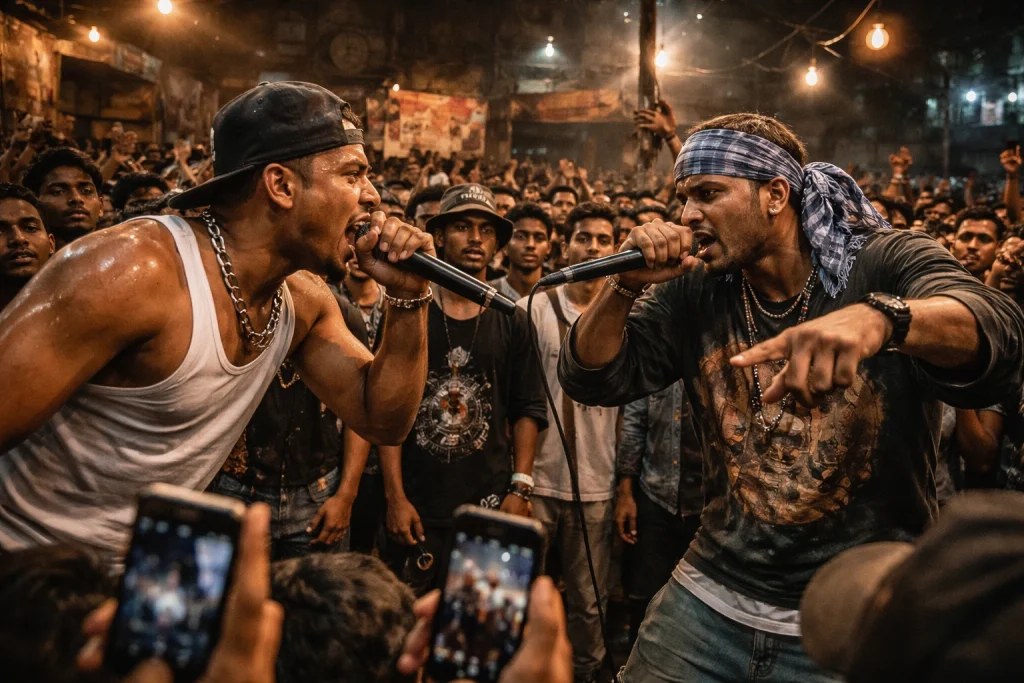
Historically, the 14th-century Bhakti movement was perhaps the first “rap battle” of its time. Poets used local dialects to challenge the religious and social status quo, bypassing the Sanskrit-heavy elite circles. Fast forward to the modern era, and this democratization has reached its peak through hip-hop.
Unlike classical forms that require a decade of rigorous training, rap only requires a lived experience and a rhythmic pulse. It is the ultimate mass communication music, turning the struggles of the “son of the soil” into a chart-topping anthem.
The Strategic Connection: Brands and corporations often struggle with “internal democratization.” How do you make a CEO’s vision resonate with a fresh graduate? By using the same principles as the Bhakti poets and modern rappers: Vernacular Authenticity. When we apply our STRIVE framework to corporate events, we use these rhythmic narratives to break down hierarchy and build empathy.
This democratization isn’t just a street phenomenon; it’s a psychological shift in how we express ourselves. We’ve witnessed this first-hand through platforms like CTC, where thousands of corporate employees trade their spreadsheets for microphones. It proves that the ‘Sonic Rebellion’ isn’t just outside office walls—it’s the pulse of the person sitting in the next cubicle.
The challenge for brands today is ‘Internal Democratization.’ How do you make a CEO’s vision resonate with a Gen Z hire? The answer lies in shared rhythm. By integrating these principles into team building activities, we move away from ‘forced fun’ and toward collective storytelling—using the same ‘Sonic’ energy that turns a street rap into a national anthem.
The Rise of the “Rustic” Rapper: Reclaiming the Narrative
The current wave of indigenous rappers in India isn’t just looking for fame; they are fighting for cultural preservation. These are the voices engage4more prioritizes when building a purpose-driven artist roster.
1. Mahi G: The Protector of the Forest

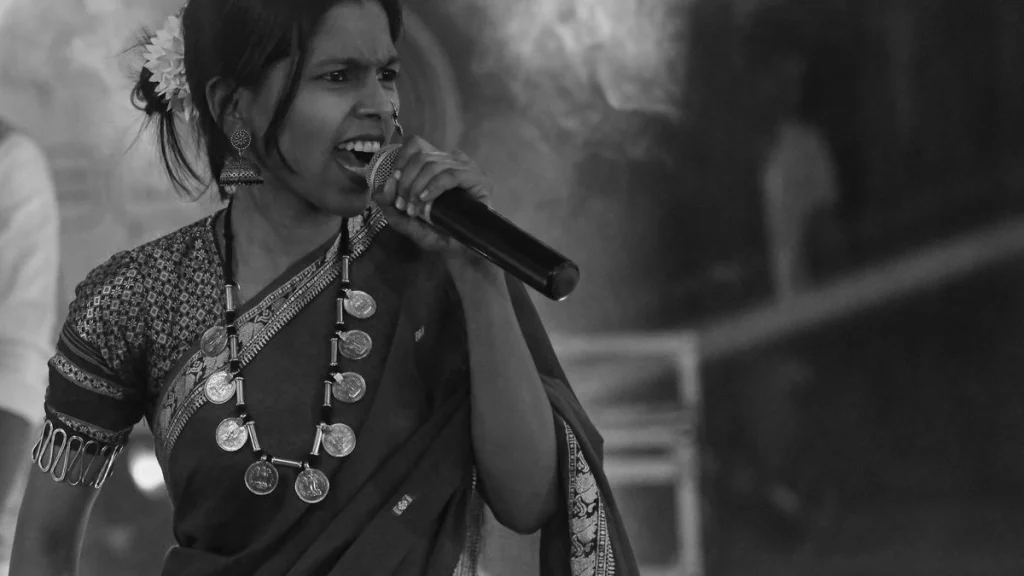
Mahi G (Madhura Ghane), a former software engineer turned fierce lyricist from the Mahadev Koli tribe, is the embodiment of the “Expertise” in our EEAT strategy. She uses her bars to fight climate injustice. In her viral hit Jungle Cha Raja (King of the Jungle), she directly challenges the “masses” to look at the cost of urban development.
“Mizwa vikasacha tumhi jhenda, mala nisargacha maaj!” (You wave the flag of progress; I raise the flag of nature with pride!)
Her music brings Adivasi stories of resistance into the urban eardrums of Mumbai. For a corporation looking to highlight its Sustainability and ESG (Environmental, Social, and Governance) goals, an artist like Mahi G provides a more visceral, honest connection than any PowerPoint presentation ever could.
2. Agri Baba: The Voice of the Coast

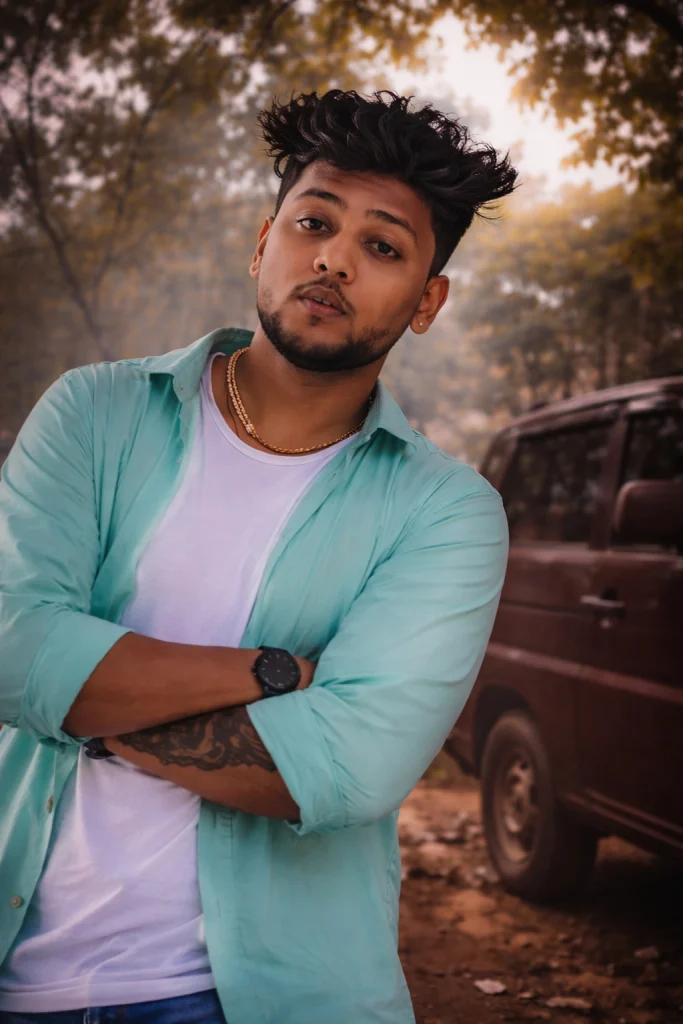
Pranit Gadmale, known as Agri Baba, represents the original inhabitants of Mumbai—the Agri-Koli community. By rapping in his native dialect and wearing traditional attire, he challenges the stereotype that indigenous culture is “primitive.” He proves that regional rap music is the new cool, bridging the gap between centuries-old traditions and Gen Z hip-hop culture.
At engage4more, we see Agri Baba as a master of “Local-Global” engagement. He proves that being rooted in one’s soil makes you more relatable, not less.
This wave of indigenous storytelling isn’t an isolated spark; it is a wildfire ignited by the legacy of Sidhu Moose Wala. By proving that the ‘Sound of the Soil’ could dominate global charts, Moose Wala paved the way for artists like Mahi G and Reble. He shifted the focus from urban imitation to rustic pride, showing the world that the most local stories are often the most universal.
Bollywood’s “Dhurandhar” Shift: Authenticity Over Gimmicks

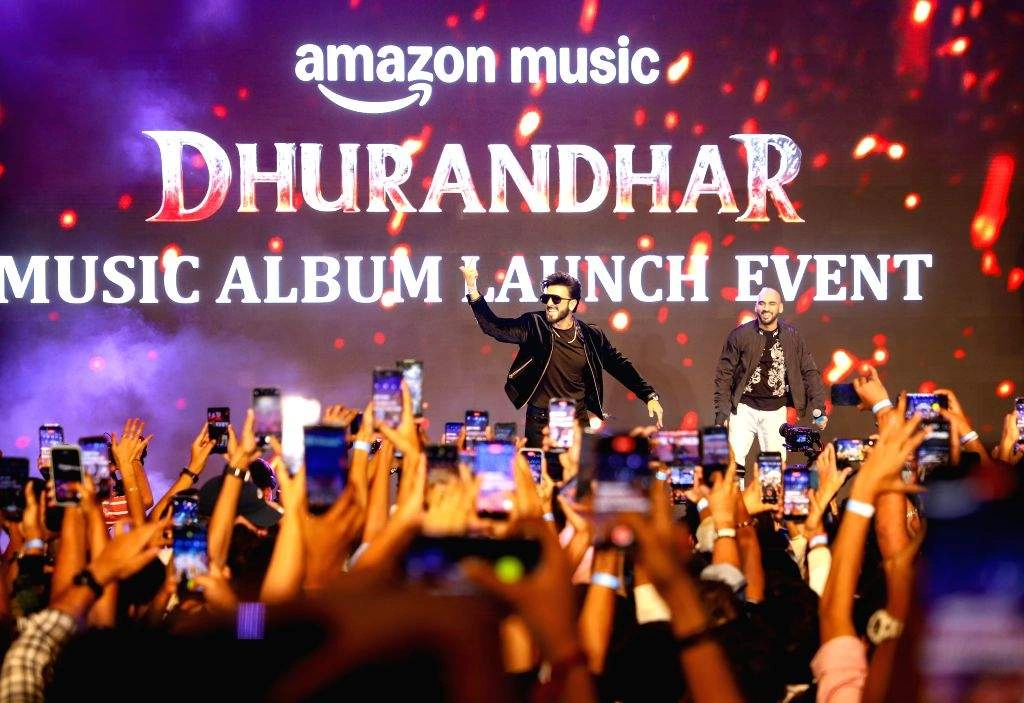
For years, Bollywood treated rap as a comedic filler. But the Dhurandhar movie 2026 (directed by Aditya Dhar) has signalled a permanent change. The industry has realized that the “masses” no longer want sanitized versions of the street; they want the real thing. The inception of this change majorly started after the release of the movie Gully Boy.
The inclusion of Dhurandhar rapper Reble (Daiaphi Lamare from Meghalaya) in the soundtrack is a landmark moment. Reble, who started rapping at age 11 to find an outlet for her childhood struggles, brings a raw, punchy energy to tracks like Naal Nachna. Alongside global-local hits like Aari Aari and the title track featuring Hanumankind, Bollywood is finally giving a national platform to underground Indian hip-hop.
The Transactional Bridge: Why does this matter to you? Because the “Dhurandhar shift” proves that Authenticity is the highest-grossing currency. When engage4more handles your artist booking, we don’t just look for “celebrities”; we look for “Dhurandhars”—formidable performers who bring a legacy of truth to your stage.
Bollywood singers who have not only taken the country into its hypnosis but has gone global with its tunes. These singers might not be hardcore rappers but their voice never fail to touch your soul.
Why This Matters: The Best Way to Bring Real Issues to the Masses
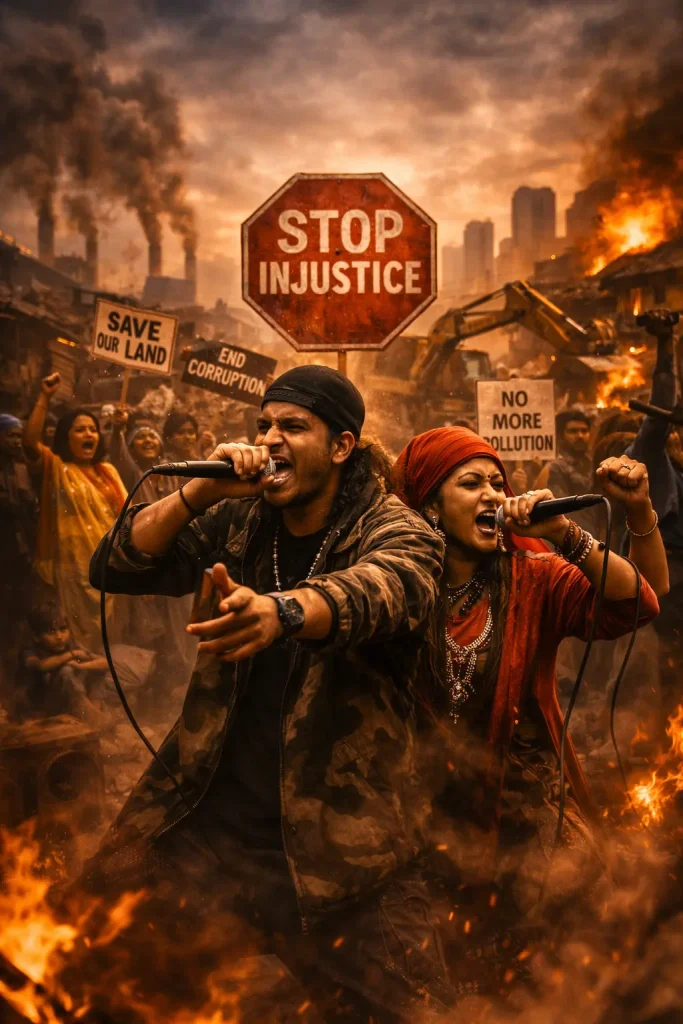
Conscious rap in India serves three primary functions that mirror the goals of high-level corporate engagement:
- Linguistic Preservation: Saving dialects that are on the verge of extinction. (Equivalent to preserving a unique brand voice in a crowded market).
- Political & Social Mobilization: Using protest music India to spark conversations on land rights and equality. (Equivalent to mobilizing a workforce toward a common mission).
- Mental Health & Expression: Providing a vent for the youth in overcrowded urban spaces. (Equivalent to employee wellness and psychological safety).
How engage4more Leads This Revolution
As a premier corporate engagement and artist booking agency, engage4more recognizes that the modern employee and the modern consumer are looking for more than just a performance—they are looking for a movement.
1. Artist Curation with a Purpose
We don’t just book names; we curate cultural storytellers. By bringing artists like Mahi G or Reble to corporate platforms, we help brands align with values of sustainability, diversity, and inclusion (DEI).
2. The MORE Framework: Motivate, Organize, Rally, Engage
We use these indigenous voices to drive our proprietary MORE² framework which in this case can be focused on as:
- Motivate: Use the energy of the “Gully” to inspire resilience.
- Organize: Align diverse teams under the rhythm of a shared story.
- Rally: Create a collective “Sonic Rebellion” against corporate stagnation.
- Engage: Ensure that the “sound of the soil” creates a lasting bond between the brand and its people.
This isn’t just theory. We apply these indigenous insights to our MORE² framework—specifically the ‘Enjoyment/EQ’ pillar. When an organization acknowledges the ‘Sound of the Soil’ through its engagement strategy, it doesn’t just entertain; it validates the identity of its workforce.
3. Thought Leadership: The Bridge from Gully to Boardroom
By championing the evolution of Indian art, engage4more positions itself as the vital bridge. We ensure that the voices of the masses are heard in the halls of power, and that your organization isn’t just watching the revolution from the sidelines—but leading it.
Conclusion: The Future is Authentic
The “Sonic Rebellion” is not a trend that will fade by 2027. It is the new foundation of Indian communication. Whether it’s through vernacular hip-hop, Adivasi stories of resistance, or Bollywood’s indigenous representation, the message is clear: the masses have the microphone.
Is your organization ready to listen? Better yet, are you ready to collaborate?
Ready to move beyond the boardroom for some entertaining voice that is driven by purpose? Book a consultation with engage4more today and let us find the authentic voice that will SPARK your next chapter.
Frequently Asked Questions
1. What is “Indigenous Rap” in the Indian context?
Indigenous rap refers to hip-hop created by artists from native or tribal communities (like the Mahadev Koli or Agri-Koli) who rap in their ancestral dialects. Unlike mainstream commercial rap, it focuses on cultural preservation, land rights, and local identity, often blending traditional folk elements with modern beats.
2. How is the Dhurandhar movie (2026) changing the Indian music industry?
Directed by Aditya Dhar, Dhurandhar has shifted the focus from “gimmick” rap to “authentic” storytelling in Bollywood. By featuring underground artists like Reble and Hanumankind, the film has validated vernacular hip-hop as a mainstream commercial powerhouse, forcing labels to prioritize artists with genuine “street” credibility.
3. Why is “Conscious Rap” becoming popular for corporate engagement?
Modern workforces—particularly Gen Z and Millennials—value authenticity and social responsibility. Conscious rap addresses themes like sustainability and mental health, making it a powerful tool for organizations to align with ESG (Environmental, Social, and Governance) goals and build deeper emotional connections with employees.
4. Can vernacular hip-hop be effective for a pan-India audience?
Yes. As seen with the “Local-Global” trend in 2026, the rhythm and emotion of rap transcend language barriers. Much like the success of Aari Aari, the raw energy of regional dialects often resonates more powerfully with diverse audiences than sanitized, multi-lingual translations.
5. How does the MORE² framework act as a diagnostic for corporate events?
Unlike “Placebo Activities” (like generic office parties), the MORE² framework identifies the specific “Engagement Gap” within a team. For example, if a team has low Ownership (O), we don’t just book a comedian; we curate a Chain Reaction Challenge where every individual must “own” their specific link for the entire system to succeed. By diagnosing whether a team needs better Means (M) or a deeper Emotional Connect (E), engage4more ensures that every intervention drives a measurable business ROI rather than just a temporary “Smile.”