


The Anecdote that Started this Conversation
It happened on an ordinary monsoon morning in her clinic. Children were queuing with seasonal ailments. Dr. Aroskar was, by her own account, running on minimal sleep, delayed meals, and the accumulated fatigue of a heavy week. She was examining a one-year-old when the child’s father — a patient she had treated as a child himself, now in his late twenties — paused and said: ‘Doctor, you look exactly the same as you did 20 years ago. What is your secret?’
The observation was, she says, a melody in the middle of the maladies. Her heart leapt. And the question sent her thinking: what is the secret? What had she actually been doing — not the standard wellness advice she might reel off to a patient, but the things that had genuinely kept her curious, energetic, and in love with her work after more than two decades in a profession that is physically and emotionally demanding by any measure?
The answer, she discovered, was less about what she ate and more about how she thought. The supplements and sleep routines matter — but they are secondary to something harder to quantify and more important to cultivate.
Eight principles from a pediatrician’s 25 years of watching people age
These are not generic wellness tips. They are observations from a doctor who has watched the relationship between how people live and how they age across thousands of patient encounters and two-and-a-half decades of clinical practice.
1. Youth is a state of mind before it is a state of body
The question ‘how old do you feel?’ matters more than the question ‘how old are you?’. Dr. Aroskar has consistently observed that the patients and parents who age most gracefully are those who maintain a childlike relationship with curiosity — who are still learning, still surprised, still genuinely interested in the world. As she puts it: inside every person who has stopped feeling young is a specific moment when they decided to stop wondering. The body often follows that decision long before the birth certificate catches up.

Why this matters in an office: For corporate audiences, this principle speaks directly to the learning culture question. Organisations that stop learning age as visibly as individuals who do — they become slower, less curious, more defended. Dr. Aroskar’s framing gives HR and leadership teams a biological and psychological basis for treating continuous learning not as a training budget line item but as an organisational vitality strategy.
2. What you eat decides more than you think — but not in the way most people hear it
Dr. Aroskar’s dietary guidance is shaped by clinical observation rather than trend cycles. The principle she returns to most consistently: let your plate be colourful. Greens, oranges, reds — the variety signals nutrient diversity. The three whites to use sparingly are salt, sugar, and refined flour. She is also clear about what does not work: the aspirational list of superfoods people collect without actually incorporating. ‘Use farm, not pharma,’ she says — fruits and vegetables over supplements whenever the choice is available.
Why this matters in an office: For corporate events, this principle is most effective when Dr. Aroskar connects it to performance rather than aesthetics. The energy level of a leadership team in the afternoon is not a motivation problem — it is frequently a nutrition problem. Her clinical background gives her the authority to make this point without it sounding like a lifestyle lecture.
3. Hydration is the most underrated performance variable
Of all the wellness interventions Dr. Aroskar has observed, consistent hydration with water — not tea, not juice, not energy drinks — produces disproportionate returns relative to its difficulty. Cognitive function, skin condition, energy regulation, and joint mobility are all directly affected by hydration status in ways that are measurable and often underestimated. Her advice is straightforward: carry water, drink it continuously through the day, and notice the difference within a week.
Why this matters in an office: In a corporate context, this is one of the most actionable takeaways from a Dr. Aroskar session — because it requires no investment, no equipment, and no sustained motivation. It is a behaviour change with an observable ROI. Organisations that take employee wellness seriously and want a concrete starting point regularly act on this.
4. Movement is non-negotiable — but it does not have to be ambitious
Dr. Aroskar does not prescribe a specific exercise regimen. What she consistently observes is the importance of daily movement as a non-negotiable baseline — not a fitness goal, not a challenge, but a maintenance requirement as fundamental as brushing teeth. Joints stiffen without movement. Muscles lose tone without regular use. The body does not forgive sedentary years in the way the mind sometimes thinks it will. Even 30 minutes of walking, done consistently, compounds into a measurably different physical condition over a decade.
Why this matters in an office: The corporate implication is about building movement into the design of the workday rather than leaving it to individual motivation after hours. Dr. Aroskar’s clinical framing — this is maintenance, not aspiration — gives organisations a different language for talking about physical wellness programs.
5. Emotional toxins accumulate the way physical ones do — and need the same active flushing
Dr. Aroskar draws a parallel that her medical audiences find immediately resonant: the body has elegant systems for flushing physical toxins — the kidneys, the lymphatic system, the skin. It has no equivalent automatic system for flushing emotional ones. Anger, jealousy, resentment, and sustained anxiety accumulate in the body in ways that are physiologically measurable — raised cortisol, disrupted sleep, immune suppression. The practices that flush them — gratitude, forgiveness, honest conversation, genuine rest — are not optional wellness additions. They are physiological requirements.

Why this matters in an office: This is consistently the section of Dr. Aroskar’s corporate sessions that produces the most visible response in a room. It gives a biological basis for the soft skills conversation — empathy, psychological safety, conflict resolution — that most HR programs struggle to make feel urgent. When a doctor explains that unresolved workplace resentment has a measurable physiological cost, the conversation changes.
6. Relationships are the most evidence-backed longevity intervention available
The research on social connection and longevity is among the most consistent in medicine. Isolation is as damaging to health as smoking. Meaningful relationships — not connections, not networks, but genuine reciprocal relationships — regulate stress hormones, support immune function, and correlate with longer healthspans across virtually every long-running population study. Dr. Aroskar’s personal practice: a standing fortnightly gathering with a core group of old friends. The conversations are not productive. The laughter is not purposeful. That is entirely the point.
Why this matters in an office: For organisations, this principle addresses team cohesion not as a morale question but as a health question. Teams with genuine interpersonal trust are measurably more resilient — not just more pleasant to work on. Dr. Aroskar’s clinical framing gives leaders a different basis for investing in relationship-building that goes beyond engagement scores.
7. Stop performing age and start performing life
One of the patterns Dr. Aroskar has observed most consistently: the moment people decide they have reached an age that requires a certain kind of performance — gravitas, caution, reduced ambition — they begin ageing visibly and rapidly. The decision to act one’s age is, she argues, the most self-fulfilling prophecy in human development. Children do not perform their age. They simply live at their current capacity, fully and without apology.
Why this matters in an office: For leadership audiences, this principle speaks to the creative and strategic risks that senior leaders stop taking because they have decided their position requires a different kind of behaviour. Dr. Aroskar’s framing — that this decision accelerates ageing in a measurable sense — gives it a different weight than the standard ‘stay curious’ advice.
8. The daily dose that costs nothing and does everything
Dr. Aroskar has a prescriptions list she returns to in every session — not pharmaceutical, not supplemental. Daily affection. Consistent bonding. Regular caring. Committed dedication to something. Enriching yourself with experiences. She also has the doctor’s formulation of what these replace: inject laughter, not Botox. Use fillers of positivity, not hyaluronic acid. Plug the pores of worry and radiate with joy. The language is deliberate — she is making the point that what the cosmetics industry sells is an external simulacrum of what internal wellness produces naturally.
Why this matters in an office: This is the section of her corporate talk that audiences share most — it is quotable, medically grounded, and immediately applicable. It gives employees a framework for thinking about their own wellness investment that does not require a gym membership or a meal plan.
Why Dr. Shilpa Aroskar works on a corporate stage
Most wellness speakers come from the wellness industry — fitness, nutrition, mindfulness, lifestyle coaching. Dr. Aroskar comes from medicine. The distinction matters because clinical practice gives her a form of authority that wellness content typically cannot access: she has watched what actually happens to people across decades, not what happens to subjects in controlled studies or clients in paid programs.
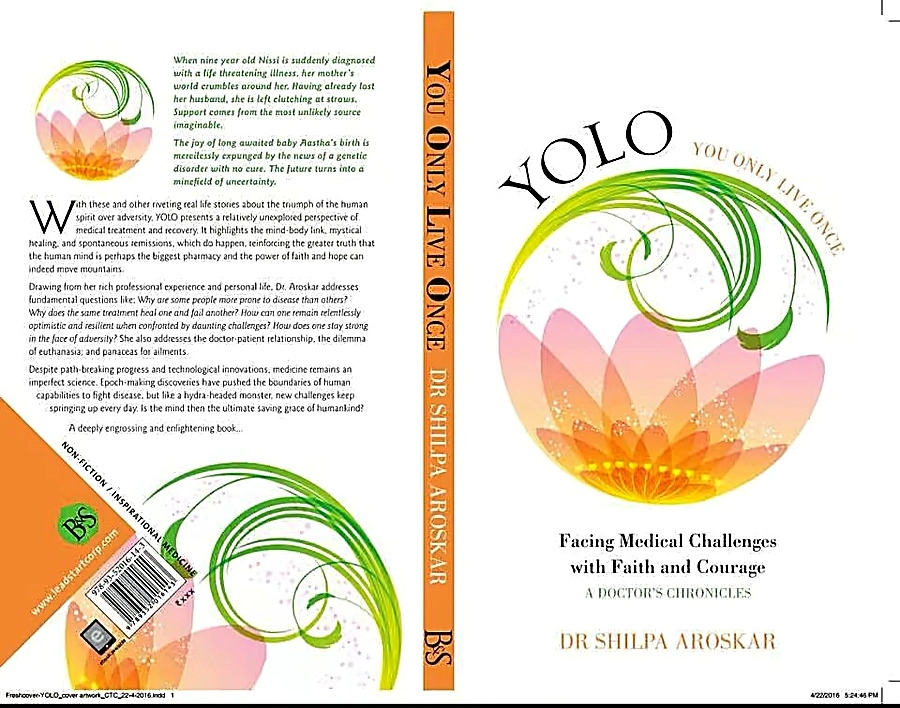
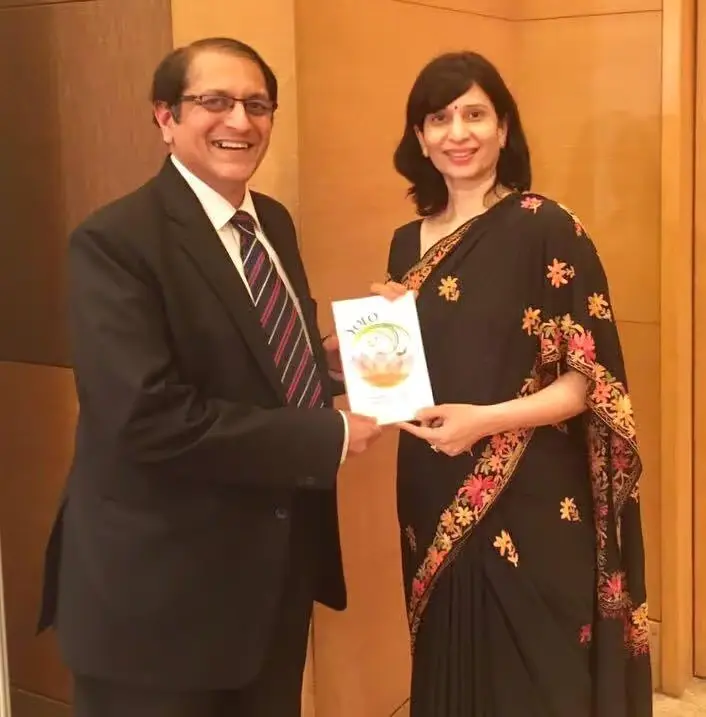
Her three books — Parents Guide to Child Care, YOLO, and Ubuntu — are all drawn from this clinical observation. YOLO is not a motivational book in the genre sense. It is a collection of real stories from her practice: patients who survived, parents who found resources they did not know they had, children who recovered against the odds. It is a book about human resilience written from the vantage point of someone who has seen it up close in the most high-stakes possible context.
When Dr. Aroskar speaks to a corporate audience about staying young, she is not selling a lifestyle. She is reporting from 25 years of watching what vitality actually requires and what its absence costs — in health, in relationships, and in the quality of the years that remain.
At engage4more, her sessions consistently produce genuine behavioural intent in the room — not just applause but specific, personal commitments to change. She works particularly well at corporate wellness days, leadership offsites, and annual events where the organisation wants to address employee wellbeing with substance rather than surface. Browse her session formats and availability on her speaker profile page.
Considering Dr. Shilpa Aroskar for your next corporate wellness event, leadership offsite, or annual day? Browse her full profile, session formats, and availability on her speaker page. Contact engage4more directly for a transparent fee quote within 3 hours. Since 2010, 5,000+ events across India. Every recommendation goes through the STRIVE framework before it reaches you.
Frequently asked questions about Dr. Shilpa Aroskar
Who is Dr. Shilpa Aroskar?
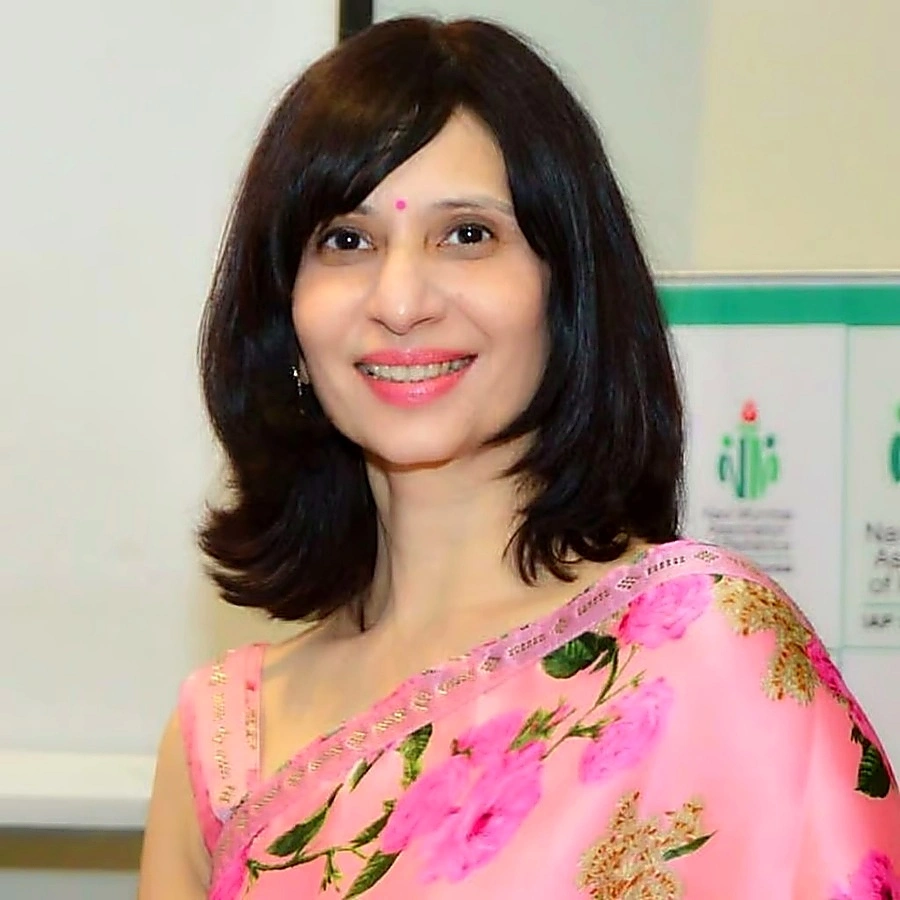
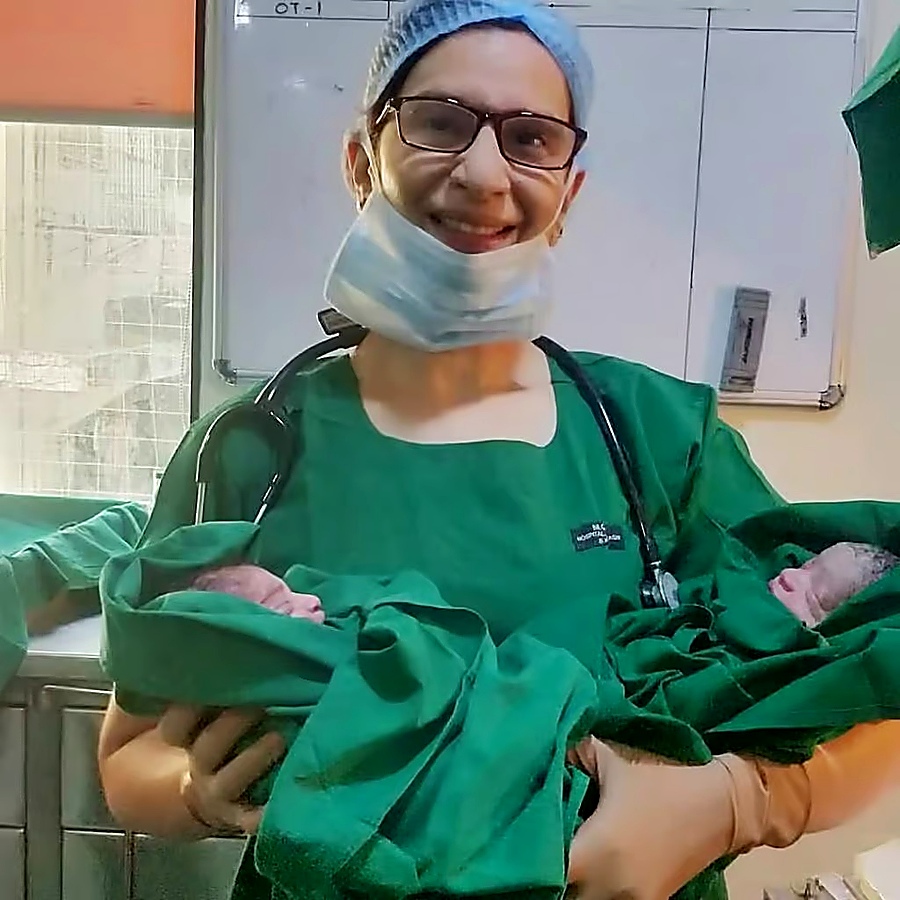
Dr. Shilpa Aroskar is a Mumbai-based paediatrician with over 25 years of experience specialising in neonatology, paediatric infections, and critical care. She was the first female president of the Indian Association of Pediatrics, Navi Mumbai branch, and headed the Department of Paediatrics at Reliance Hospital, Navi Mumbai. She is the author of three books including YOLO, an Amazon bestseller. She is also a keynote speaker on wellness, resilience, leadership, and the science of ageing, available to book for corporate events through engage4more.
What topics does Dr. Shilpa Aroskar speak about at corporate events?
Dr. Aroskar speaks on health and wellness, resilience, work-life balance, the science of ageing and staying young, mental health in the workplace, and leadership under pressure. Her sessions are grounded in clinical observation rather than lifestyle aspiration — which gives her a different quality of authority on these topics than typical wellness speakers. She is particularly effective at corporate wellness days, annual leadership events, and offsites where the brief is depth and genuine behavioural change.
What are Dr. Shilpa Aroskar’s three books?
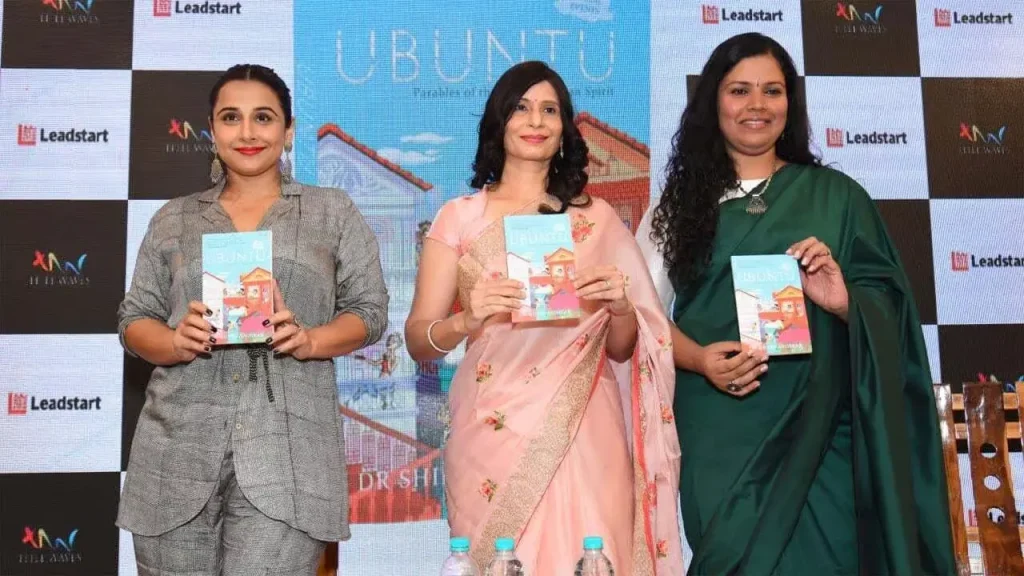
Dr. Aroskar has authored: Parents Guide to Child Care — a practical reference for Indian parents; YOLO — an Amazon bestseller featuring true clinical stories of courage and hope; and Ubuntu: I Am Because We Are — her account of the pandemic’s emotional impact on families and healthcare workers. All three are available online and often referenced in her corporate sessions.
A Pediatrician’s guide to staying young forever
Most advice on staying young comes from wellness influencers, lifestyle brands, and people who have never had to watch what ageing actually does to a body up close.
Dr. Shilpa Aroskar is available to speak at your corporate event through engage4more. If her perspective on wellness and staying young resonates with your team’s current needs, browse her profile and check availability on our Dr. Shilpa Aroskar speaker page.
Dr. Shilpa Aroskar has spent 25 years doing exactly that. As a paediatrician specialising in neonatology, paediatric infections, and critical care — and as the former head of the Department of Paediatrics at Reliance Hospital, Navi Mumbai — she has observed the human body across its entire arc, from the first hours of a premature infant’s life to the complications of chronic illness in parents and grandparents she has treated across generations. She is also the author of three books, including YOLO (an Amazon bestseller drawn from her clinical stories) and Ubuntu: I Am Because We Are, her account of the pandemic’s emotional toll on families and healthcare workers.
She is also, she is quick to note, a SEENAGER — a senior teenager — who feels 18 inside and intends to keep it that way.
What follows are the principles Dr. Aroskar has developed over a quarter century of watching what keeps people genuinely vital — and what quietly accelerates their decline — distilled for the corporate audience she now regularly speaks to.
The Anecdote that Started this Conversation
It happened on an ordinary monsoon morning in her clinic. Children were queuing with seasonal ailments. Dr. Aroskar was, by her own account, running on minimal sleep, delayed meals, and the accumulated fatigue of a heavy week. She was examining a one-year-old when the child’s father — a patient she had treated as a child himself, now in his late twenties — paused and said: ‘Doctor, you look exactly the same as you did 20 years ago. What is your secret?’
The observation was, she says, a melody in the middle of the maladies. Her heart leapt. And the question sent her thinking: what is the secret? What had she actually been doing — not the standard wellness advice she might reel off to a patient, but the things that had genuinely kept her curious, energetic, and in love with her work after more than two decades in a profession that is physically and emotionally demanding by any measure?
The answer, she discovered, was less about what she ate and more about how she thought. The supplements and sleep routines matter — but they are secondary to something harder to quantify and more important to cultivate.
Eight principles from a pediatrician’s 25 years of watching people age
These are not generic wellness tips. They are observations from a doctor who has watched the relationship between how people live and how they age across thousands of patient encounters and two-and-a-half decades of clinical practice.
1. Youth is a state of mind before it is a state of body
The question ‘how old do you feel?’ matters more than the question ‘how old are you?’. Dr. Aroskar has consistently observed that the patients and parents who age most gracefully are those who maintain a childlike relationship with curiosity — who are still learning, still surprised, still genuinely interested in the world. As she puts it: inside every person who has stopped feeling young is a specific moment when they decided to stop wondering. The body often follows that decision long before the birth certificate catches up.
Why this matters in an office: For corporate audiences, this principle speaks directly to the learning culture question. Organisations that stop learning age as visibly as individuals who do — they become slower, less curious, more defended. Dr. Aroskar’s framing gives HR and leadership teams a biological and psychological basis for treating continuous learning not as a training budget line item but as an organisational vitality strategy.
2. What you eat decides more than you think — but not in the way most people hear it
Dr. Aroskar’s dietary guidance is shaped by clinical observation rather than trend cycles. The principle she returns to most consistently: let your plate be colourful. Greens, oranges, reds — the variety signals nutrient diversity. The three whites to use sparingly are salt, sugar, and refined flour. She is also clear about what does not work: the aspirational list of superfoods people collect without actually incorporating. ‘Use farm, not pharma,’ she says — fruits and vegetables over supplements whenever the choice is available.
Why this matters in an office: For corporate events, this principle is most effective when Dr. Aroskar connects it to performance rather than aesthetics. The energy level of a leadership team in the afternoon is not a motivation problem — it is frequently a nutrition problem. Her clinical background gives her the authority to make this point without it sounding like a lifestyle lecture.
3. Hydration is the most underrated performance variable
Of all the wellness interventions Dr. Aroskar has observed, consistent hydration with water — not tea, not juice, not energy drinks — produces disproportionate returns relative to its difficulty. Cognitive function, skin condition, energy regulation, and joint mobility are all directly affected by hydration status in ways that are measurable and often underestimated. Her advice is straightforward: carry water, drink it continuously through the day, and notice the difference within a week.
Why this matters in an office: In a corporate context, this is one of the most actionable takeaways from a Dr. Aroskar session — because it requires no investment, no equipment, and no sustained motivation. It is a behaviour change with an observable ROI. Organisations that take employee wellness seriously and want a concrete starting point regularly act on this.
4. Movement is non-negotiable — but it does not have to be ambitious
Dr. Aroskar does not prescribe a specific exercise regimen. What she consistently observes is the importance of daily movement as a non-negotiable baseline — not a fitness goal, not a challenge, but a maintenance requirement as fundamental as brushing teeth. Joints stiffen without movement. Muscles lose tone without regular use. The body does not forgive sedentary years in the way the mind sometimes thinks it will. Even 30 minutes of walking, done consistently, compounds into a measurably different physical condition over a decade.
Why this matters in an office: The corporate implication is about building movement into the design of the workday rather than leaving it to individual motivation after hours. Dr. Aroskar’s clinical framing — this is maintenance, not aspiration — gives organisations a different language for talking about physical wellness programs.
5. Emotional toxins accumulate the way physical ones do — and need the same active flushing
Dr. Aroskar draws a parallel that her medical audiences find immediately resonant: the body has elegant systems for flushing physical toxins — the kidneys, the lymphatic system, the skin. It has no equivalent automatic system for flushing emotional ones. Anger, jealousy, resentment, and sustained anxiety accumulate in the body in ways that are physiologically measurable — raised cortisol, disrupted sleep, immune suppression. The practices that flush them — gratitude, forgiveness, honest conversation, genuine rest — are not optional wellness additions. They are physiological requirements.
Why this matters in an office: This is consistently the section of Dr. Aroskar’s corporate sessions that produces the most visible response in a room. It gives a biological basis for the soft skills conversation — empathy, psychological safety, conflict resolution — that most HR programs struggle to make feel urgent. When a doctor explains that unresolved workplace resentment has a measurable physiological cost, the conversation changes.
6. Relationships are the most evidence-backed longevity intervention available
The research on social connection and longevity is among the most consistent in medicine. Isolation is as damaging to health as smoking. Meaningful relationships — not connections, not networks, but genuine reciprocal relationships — regulate stress hormones, support immune function, and correlate with longer healthspans across virtually every long-running population study. Dr. Aroskar’s personal practice: a standing fortnightly gathering with a core group of old friends. The conversations are not productive. The laughter is not purposeful. That is entirely the point.
Why this matters in an office: For organisations, this principle addresses team cohesion not as a morale question but as a health question. Teams with genuine interpersonal trust are measurably more resilient — not just more pleasant to work on. Dr. Aroskar’s clinical framing gives leaders a different basis for investing in relationship-building that goes beyond engagement scores.
7. Stop performing age and start performing life
One of the patterns Dr. Aroskar has observed most consistently: the moment people decide they have reached an age that requires a certain kind of performance — gravitas, caution, reduced ambition — they begin ageing visibly and rapidly. The decision to act one’s age is, she argues, the most self-fulfilling prophecy in human development. Children do not perform their age. They simply live at their current capacity, fully and without apology.
Why this matters in an office: For leadership audiences, this principle speaks to the creative and strategic risks that senior leaders stop taking because they have decided their position requires a different kind of behaviour. Dr. Aroskar’s framing — that this decision accelerates ageing in a measurable sense — gives it a different weight than the standard ‘stay curious’ advice.
8. The daily dose that costs nothing and does everything
Dr. Aroskar has a prescriptions list she returns to in every session — not pharmaceutical, not supplemental. Daily affection. Consistent bonding. Regular caring. Committed dedication to something. Enriching yourself with experiences. She also has the doctor’s formulation of what these replace: inject laughter, not Botox. Use fillers of positivity, not hyaluronic acid. Plug the pores of worry and radiate with joy. The language is deliberate — she is making the point that what the cosmetics industry sells is an external simulacrum of what internal wellness produces naturally.
Why this matters in an office: This is the section of her corporate talk that audiences share most — it is quotable, medically grounded, and immediately applicable. It gives employees a framework for thinking about their own wellness investment that does not require a gym membership or a meal plan.
Why Dr. Shilpa Aroskar works on a corporate stage
Most wellness speakers come from the wellness industry — fitness, nutrition, mindfulness, lifestyle coaching. Dr. Aroskar comes from medicine. The distinction matters because clinical practice gives her a form of authority that wellness content typically cannot access: she has watched what actually happens to people across decades, not what happens to subjects in controlled studies or clients in paid programs.
Her three books — Parents Guide to Child Care, YOLO, and Ubuntu — are all drawn from this clinical observation. YOLO is not a motivational book in the genre sense. It is a collection of real stories from her practice: patients who survived, parents who found resources they did not know they had, children who recovered against the odds. It is a book about human resilience written from the vantage point of someone who has seen it up close in the most high-stakes possible context.
When Dr. Aroskar speaks to a corporate audience about staying young, she is not selling a lifestyle. She is reporting from 25 years of watching what vitality actually requires and what its absence costs — in health, in relationships, and in the quality of the years that remain.
At engage4more, her sessions consistently produce genuine behavioural intent in the room — not just applause but specific, personal commitments to change. She works particularly well at corporate wellness days, leadership offsites, and annual events where the organisation wants to address employee wellbeing with substance rather than surface. Browse her session formats and availability on her speaker profile page.
Considering Dr. Shilpa Aroskar for your next corporate wellness event, leadership offsite, or annual day? Browse her full profile, session formats, and availability on her speaker page. Contact engage4more directly for a transparent fee quote within 3 hours. Since 2010, 5,000+ events across India. Every recommendation goes through the STRIVE framework before it reaches you.
Frequently asked questions about Dr. Shilpa Aroskar
Who is Dr. Shilpa Aroskar?
Dr. Shilpa Aroskar is a Mumbai-based paediatrician with over 25 years of experience specialising in neonatology, paediatric infections, and critical care. She was the first female president of the Indian Association of Pediatrics, Navi Mumbai branch, and headed the Department of Paediatrics at Reliance Hospital, Navi Mumbai. She is the author of three books including YOLO, an Amazon bestseller. She is also a keynote speaker on wellness, resilience, leadership, and the science of ageing, available to book for corporate events through engage4more.
What topics does Dr. Shilpa Aroskar speak about at corporate events?
Dr. Aroskar speaks on health and wellness, resilience, work-life balance, the science of ageing and staying young, mental health in the workplace, and leadership under pressure. Her sessions are grounded in clinical observation rather than lifestyle aspiration — which gives her a different quality of authority on these topics than typical wellness speakers. She is particularly effective at corporate wellness days, annual leadership events, and offsites where the brief is depth and genuine behavioural change.
What are Dr. Shilpa Aroskar’s three books?
Dr. Aroskar has authored: Parents Guide to Child Care — a practical reference for Indian parents; YOLO — an Amazon bestseller featuring true clinical stories of courage and hope; and Ubuntu: I Am Because We Are — her account of the pandemic’s emotional impact on families and healthcare workers. All three are available online and often referenced in her corporate sessions.