
Beyond the Monologue: Why 2026 is the Year of the ‘Shared Narrative’ in Indian Politics
For the last few decades, the female-dominated observation of International Women’s Day has been a monologue of sorts. It has been a day of speeches by women as they narrate their struggles and victories to get their due space. But as we celebrate International Women’s Day in 2026, something quietly significant is already happening in the world. In the world of women politicians in India.
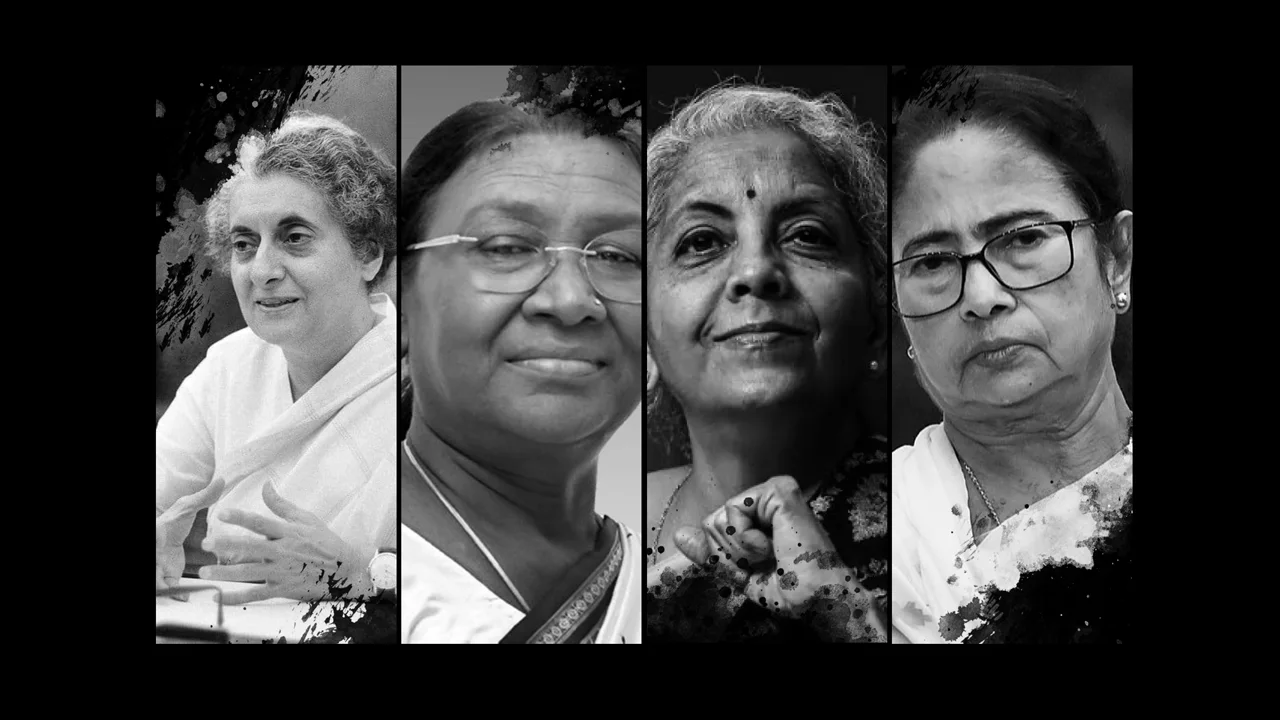
The story is no longer “by women, for women.” We are now in the age of the “Shared Narrative.” In boardrooms, politics, and dinner conversations across the country, what is being noticed is that men, whether sons, colleagues at work, or even political adversaries, are coming forth to tell “her story.” This is no longer about being an ally for the cause but an understanding that the legacies of women like Mamta Banerjee, Indira Gandhi, Draupadi Murmu, or Nirmala Sitharaman are no longer “women’s history”, they are the foundation of Indian history itself.
1. Indira Gandhi: The Master of the High-Stakes Pivot
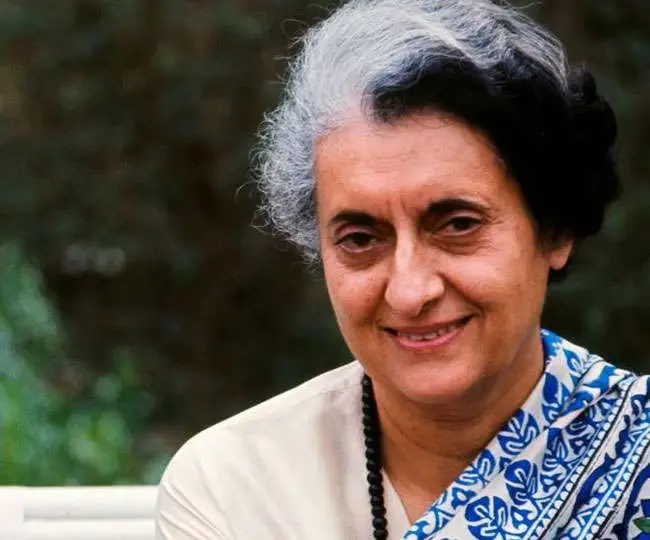
Prior to her Iron Lady label, Indira Gandhi was commonly referred to as Goongi Gudiya (silent doll). (Image courtesy: assettype)
The Playbook: She was challenged by rebellion within her party in 1969. She did not negotiate; she radicalized her policy stance. Through the nationalization of 14 major banks and her slogan ‘Garibi Hatao’ or ‘Abolish Poverty,’ she actually went over the heads of the politicians to reach the masses.
The Lesson: The authority is not granted; it is taken by making extremist gestures that leave the opposition no choice but to respond to your beat. In 1971, her handling of the war was the benchmark for dealing with a crisis.
2. Mamata Banerjee: The “Political Ascetic”
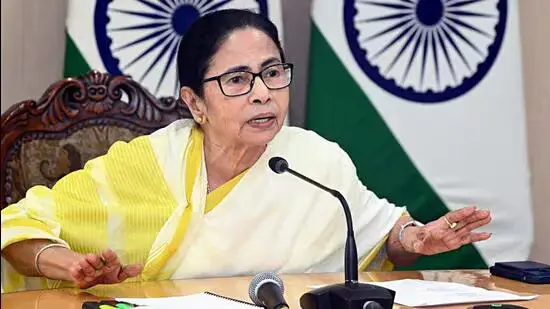
Where most politicians aggressively flaunt the symbols of power, a distinct Mamta Banerjee refrain is simplicity with a twist. The white saree and rubber slippers she likes to wear are not merely clothes; they are a political statement about “one of us.” (Image courtesy: hindustantimes)
The Playbook: She learned how to effect the “Street-to-Seat” transition. Through her leadership of both the Nandigram and Singur agitations, she demonstrated that a grassroot movement can bring down a 34-year-old political giant (the Left Front).
The Lesson: In a country like India, accessibility is the ultimate currency. By maintaining the persona of “Didi” or Elder Sister, she has managed to build a brand that feels personal, protective, and immovable.
3. Draupadi Murmu: Silent Revolution of Dignity
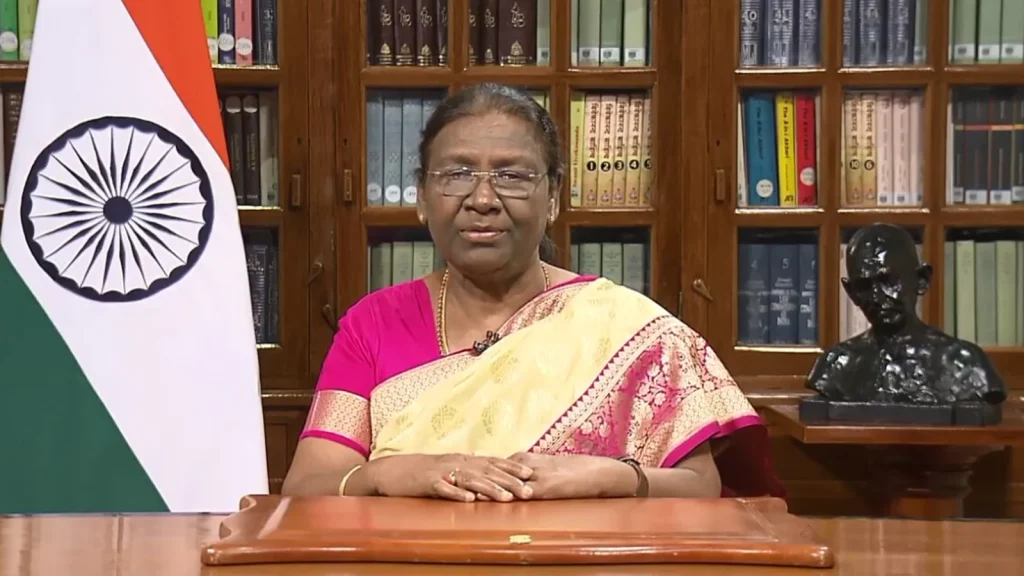
President Draupadi Murmu marks a transition from “symbolic representation” to substantive moral authority. Her story from a village in Odisha to Raisina Hill is a master class on the power of the long game. (Image courtesy: hindustantimes)
The Playbook: Unlike the high-decibel politics that many of her counterparts indulge in, Murmu’s style of exercising power is evident in her concentration on “the last person.” Since 2024, her push for the integration of tribal technology and Venture Capital Fund for Scheduled Tribes has proven that the Presidency can be used as a vehicle for social engineering.
The Lesson: Leadership doesn’t always have to roar. Sometimes, the most profound changes come from a steady, dignified insistence on inclusivity and constitutional duty.
4. Nirmala Sitharaman: The Technocratic
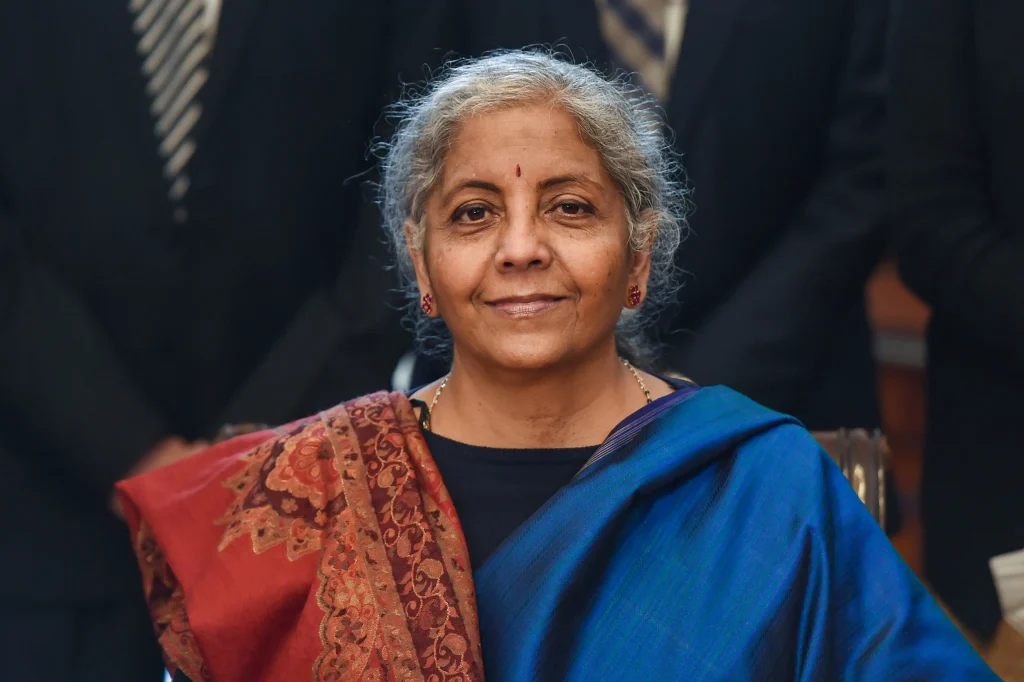
Nirmala Sitharaman has exemplified the almost impossible task of crushing the stereotype that a woman can deal only with “soft” issues such as Women and Child Development. (Image courtesy: hindustantimes)
The Playbook: By February 2025, she became the first person to handle eight successive union budgets, guiding India through a post-pandemic recovery and shifting its emphasis to capex.
The Lesson: Competence is the best defense against prejudice. In charge of the world’s fifth-largest economy with a “business-first” approach, she has made way for a whole generation of women technocrats.
Why Women Politicians in India Matters for 2026
These four stories convey the one lesson:
Leadership works in more than one way. It could be through the centralized might of Indira, the passion of Mamta, the more dignified and inclusive approach of Draupadi, or the sharp financial acumen of Nirmala; that there is no ‘one way’ to lead, and through their example, each has shown that gender is not a hindrance, but an insight which might just rescue a nation.
The stories of these women are also why their voices matter far beyond the field.
Explore Women’s Day Special Speakers who bring these journeys of resilience and leadership to life at engage4more.com. Also, enjoy our value adds like complimentary quizzing for your events along with free publicity by our post-event coverage via our social media handles!
FAQs
1. What is the “Shared Narrative” mentioned for 2026?
It’s the shift where women’s leadership stories are no longer just “for women.” In 2026, these journeys are recognized as the foundation of Indian history, shared and celebrated by men and women alike in boardrooms and politics.
2. How did Indira Gandhi redefine political authority?
She transformed from being called a “silent doll” to the “Iron Lady” by taking bold risks. Through bank nationalization and her ‘Garibi Hatao’ slogan, she proved that authority is seized by connecting directly with the masses.
3. What is the secret to Mamata Banerjee’s “Didi” brand?
Accessibility. By maintaining a simple lifestyle (white saree and slippers) and leading grassroots movements like Nandigram, she proved that being “one of the people” is the most powerful currency in Indian politics.
4. How is Draupadi Murmu changing the Presidency?
She practices a “silent revolution.” Instead of high-decibel politics, she uses her office for social engineering—like launching Venture Capital funds for tribal communities—showing that leadership can be quiet yet profound.
5. Why is Nirmala Sitharaman’s role so significant in 2026?
She shattered the “soft portfolio” stereotype. By managing eight consecutive Union Budgets and guiding the world’s fifth-largest economy, she proved that technical competence is the ultimate answer to prejudice.
About the Author
Sweetlena Mandal is a writer with more than seven years of experience across formats, she is known for her fluid, human-centric style that blends clarity, emotion, and purpose.