



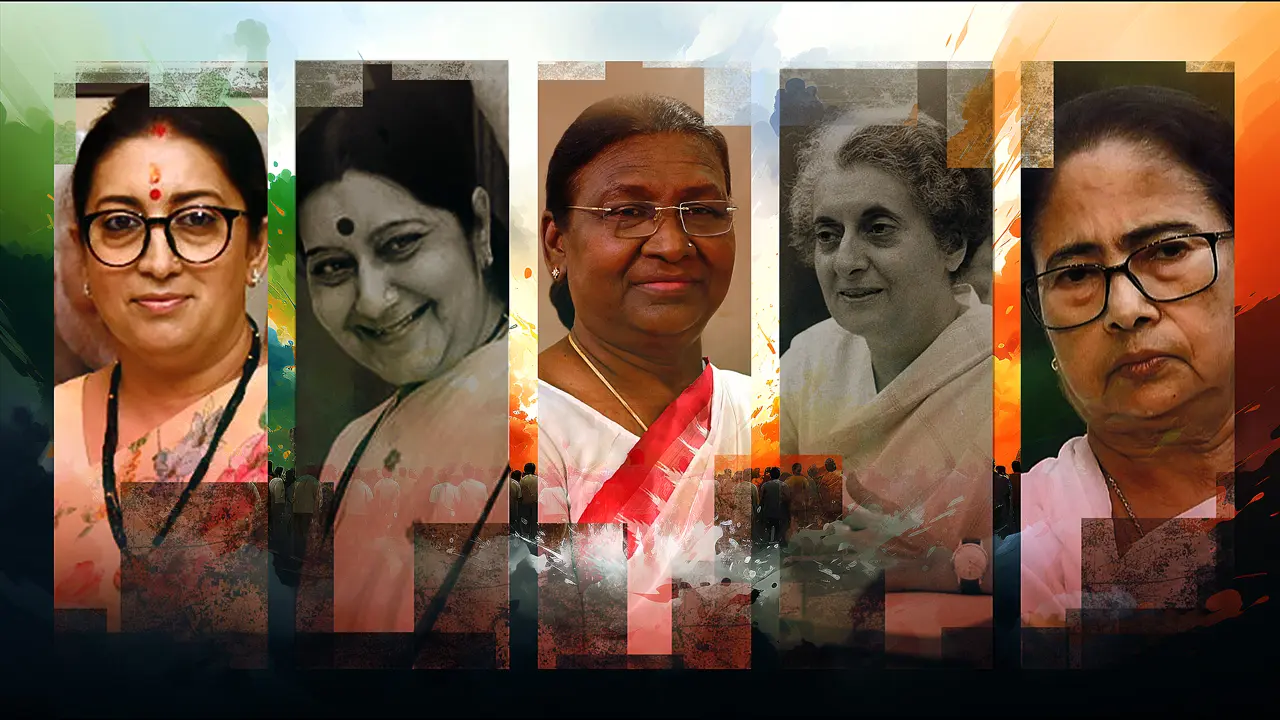
International Women’s Day 2026: Why Women in Indian Politics are Moving from Representation to Absolute Ownership
They said the halls of power were designed for broad shoulders, thunderous baritones, not the gentle swishing of a saree or the soft power of a woman’s voice. But in 2026, as we mark International Women’s Day, we not only shatter this myth, we bury it. The future for women in politics in India has progressed from tokenism to an assertive coup d’état. The historic Nari Shakti Vandan Adhiniyam, or Women’s Reservation Bill, is close to its full implementation, and we are no longer part of the narrative. Today, we, women, are the writers.
The Pioneers of Women in Indian Politics: Changing the Definition of Leadership
To appreciate the present-day presence of women leadership in India, we pay homage to the giant women who were not content to remain giant- size in an adjustment to reality. These women not only thrived in a male chauvinistic arena, they conquered it.
1. The Iron Fist: Indira Gandhi and Jayalalithaa
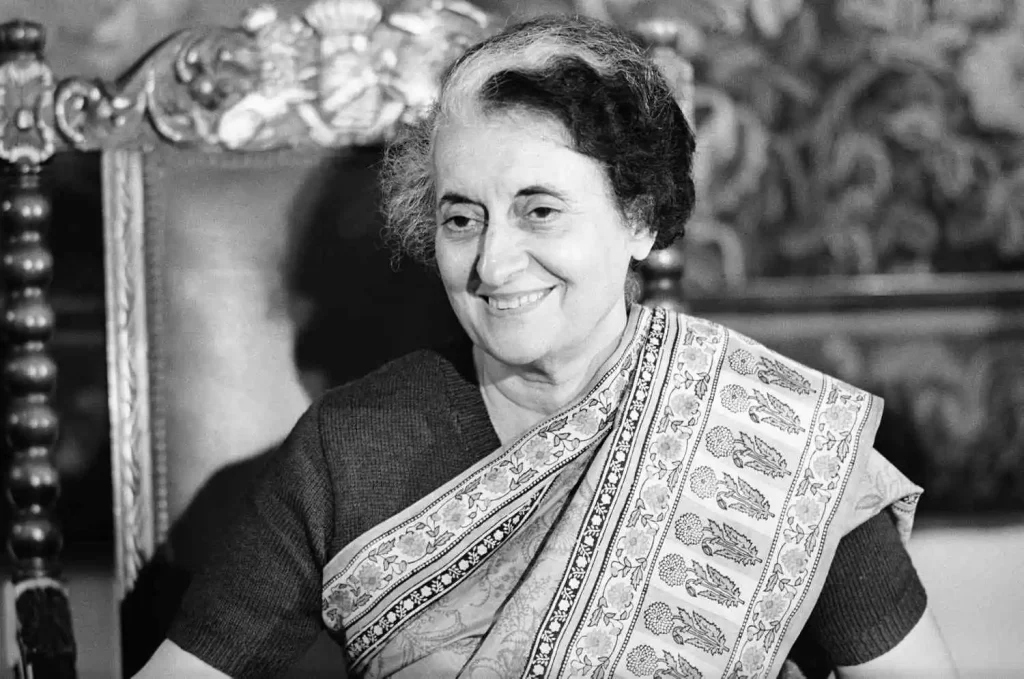

Indira Gandhi is the blue-print for political toughness. She was labeled “Goongi Gudiya” (dumb doll) in her early days in politics, but she turned out to be the toughest prime minister in Indian history. Her leadership during the 1971 war and the nationalization of banks showed that women could handle high-stakes sovereignty better than any contemporary.
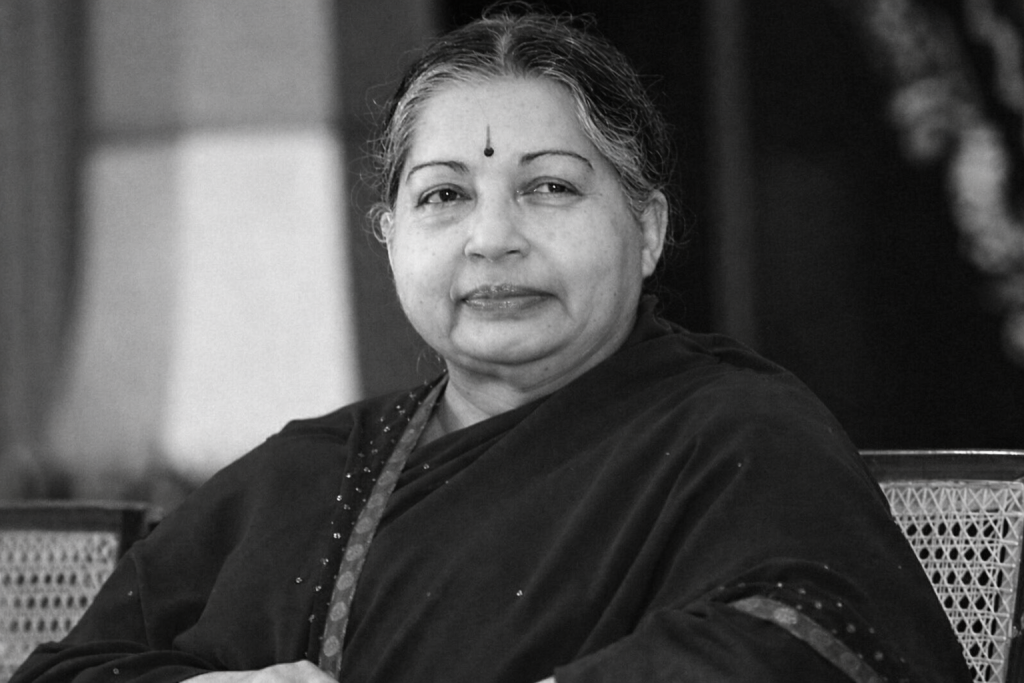

In the South, Puratchi Thalaivi J. Jayalalithaa didn’t just enter politics; she became a goddess to millions. In a world that tried to humiliate her, she rose to become “Amma.” Her welfare initiatives went on to show that with the power of politics, a woman’s empathy can change the economy of the whole state.
2. The People’s Diplomat: Sushma Swaraj
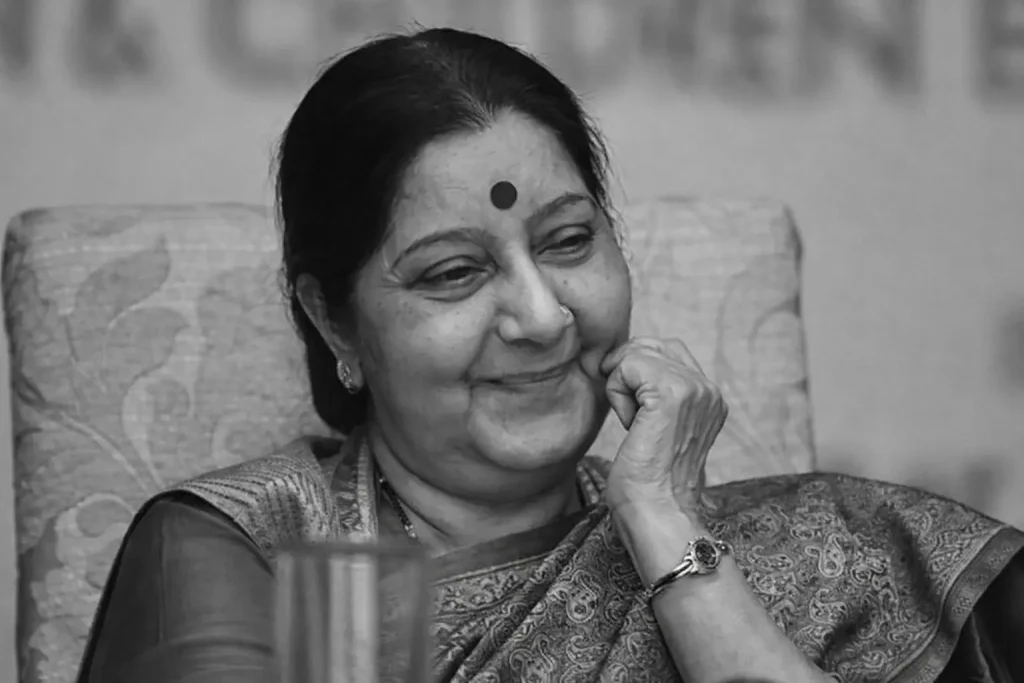
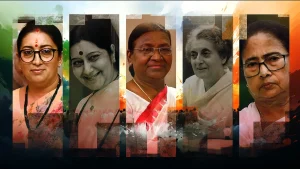
Sushma Swaraj revolutionized the Ministry of External Affairs with her new persona. She is known as the “People’s Minister” for using online tools to fill the gap between the government and the people. She left a legacy that shows one does not need to be stern and cold to deliver; one can definitely achieve with the ‘Bindi’ on one’s forehead and ‘iron’ in one’s soul. (Image courtesy: ndtvimg)
The Disruptors: Street Grit and Global Impact
There are some women who hold the stage with an enigmatic aura, and then there are some who believe in bringing disruption to make you listen to them. These women did not just survive the world of politics, but created their own pathway.
3. The Street Fighter: Mamata Banerjee
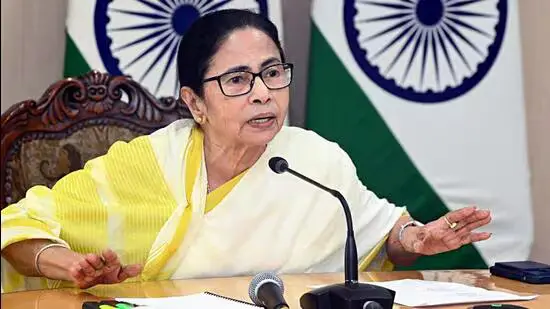

Mamata Banerjee is the definition of unapologetic power. Clad in a simple cotton saree, she dismantled a 34-year-old political monolith in West Bengal. She can be criticised for her ways, and she can be called out for her methods; but no one can deny the way she stands her ground against every force. Her brand of “Maa, Mati, Manush” politics is raw, grassroots-focused, and fiercely independent. She taught India that you don’t need a dynasty to win—you just need the people. (Image courtesy: hindustantimes)
4. The Giant Slayer: Smriti Irani
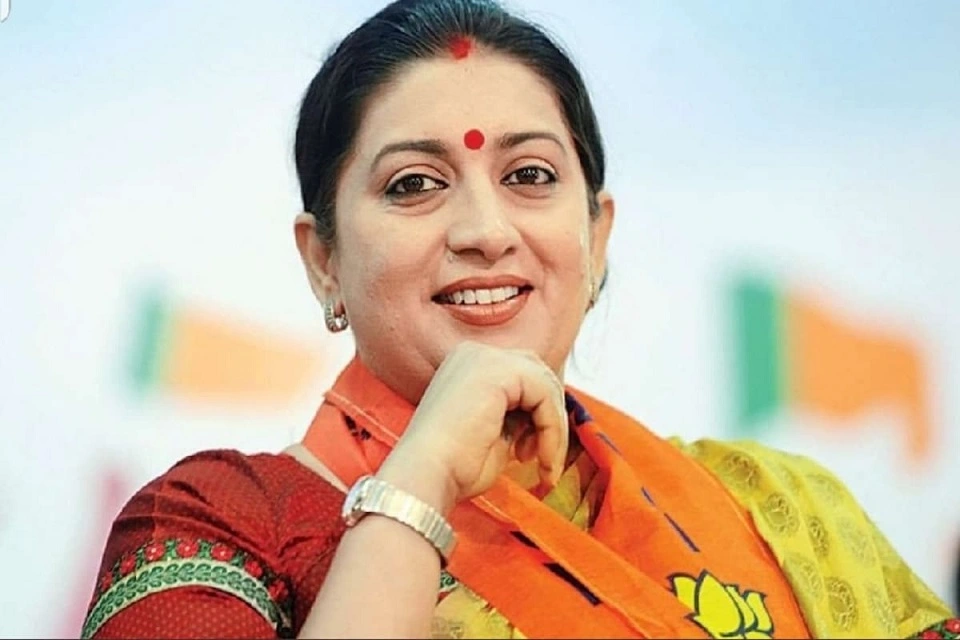

Smriti Irani is the personification of modern political audacity. Labeled an “outsider” from the world of television, she did the unthinkable by dismantling one of India’s most powerful political bastions. Her journey highlights a critical shift: the modern Indian voter values performance over pedigree. (Image courtesy: cnbcevents)
5. The Silent Revolution: President Droupadi Murmu
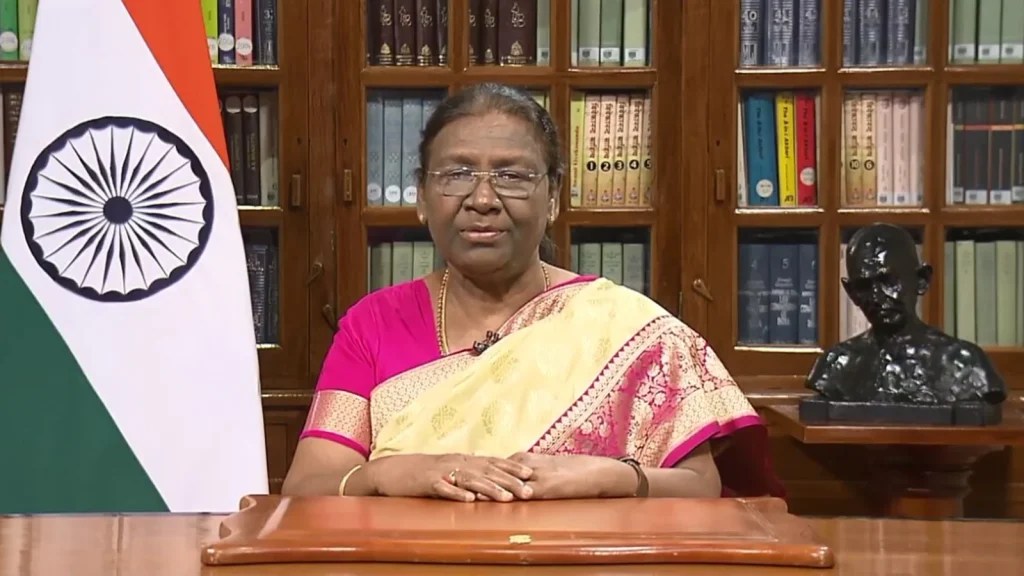

Today, the highest office in the land is held by Droupadi Murmu. As the first tribal President of India, her presence is a wake-up call. She embodies the “unseen” India, showing that the road to the center can be traveled from the margins. Her presidency is the largest possible endorsement of the area of women’s representation in Indian politics. (Image courtesy: hindustantimes)
Conclusion: It Is No Longer a “Man’s World”
In 2026, women in Indian politics are no longer an anomaly—they are the agenda. The Nari Shakti Vandan Adhiniyam is not a gift; it is a right long overdue. These leaders didn’t succeed by “acting like men.” They succeeded by bringing their full, authentic, and “difficult” selves to the table. This International Women’s Day, we don’t want your flowers; we want the floor. We don’t want your permission; we want the podium. The rulebook of Indian politics has been rewritten, and the ink is still wet.
To bring such inspiration women to your stage, book through engage4more—India’s top platform for sensational motivational speakers and talent. With over 2,500 artists, pacy bookings, and free event publicity, engage4more makes inspiration accessible, unforgettable, and meaningful. Also, enjoy our value adds like complimentary quizzing for your events along with free publicity by our post-event coverage via our social media handles!
FAQs
1. Why is International Women’s Day 2026 significant for women in Indian politics?
International Women’s Day 2026 marks a defining moment where women in Indian politics have moved beyond symbolic representation to real, structural power. With the near-full implementation of the Nari Shakti Vandan Adhiniyam (Women’s Reservation Bill), women are no longer political placeholders—they are decision-makers shaping national and state agendas.
2. What is the Nari Shakti Vandan Adhiniyam and how does it impact women leaders in India?
The Nari Shakti Vandan Adhiniyam, also known as the Women’s Reservation Bill, mandates greater representation of women in legislative bodies. Its impact goes beyond numbers—it creates a pipeline for women to exercise authority, influence policy, and own political leadership rather than merely participating in it.
3. How have women leaders like Indira Gandhi and Jayalalithaa changed Indian political leadership?
Leaders like Indira Gandhi and Jayalalithaa redefined power by blending decisiveness with emotional intelligence. They proved that strength in Indian politics is not about masculinity, but about conviction, resilience, and the ability to command public trust—setting a blueprint for future women leaders.
4. Are modern women politicians in India breaking traditional power structures?
Yes. Contemporary leaders such as Mamata Banerjee, Smriti Irani, and President Droupadi Murmu have disrupted entrenched political hierarchies. From grassroots movements to the highest constitutional office, they represent a shift where performance, authenticity, and people’s connect outweigh lineage and legacy.
5. How are women in Indian politics moving from representation to ownership?
Women in Indian politics today are not just occupying seats—they are setting agendas, dismantling political monopolies, and reshaping governance. Ownership means writing policy, commanding public discourse, and redefining leadership on their own terms, not by inherited rules.