

How the STRIVE Framework Redefines Motivational Keynotes for Modern Corporate Audiences
In 2026, the traditional corporate keynote is under threat. With “Internet Fatigue” at an all-time high, audiences have developed a built-in “Gyaan-filter.” They can spot a rehearsed, generic speech in seconds.
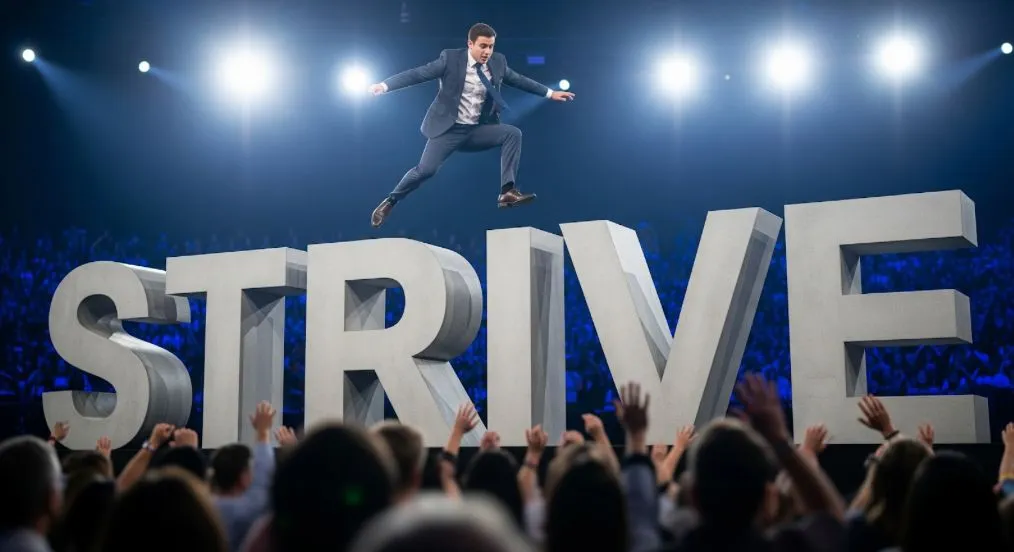
After 20 years in the trenches and managing 5,000+ bookings, I’ve realised that a great motivational speaker doesn’t just “talk”—they follow a high-intensity psychological journey. I’ve codified this as the STRIVE Framework. It is the blueprint we use at engage4more to scout for the top 1% of talent who can move a room from passive listening to massive action.
1. S – Startle (The 60-Second Pattern Interrupt)
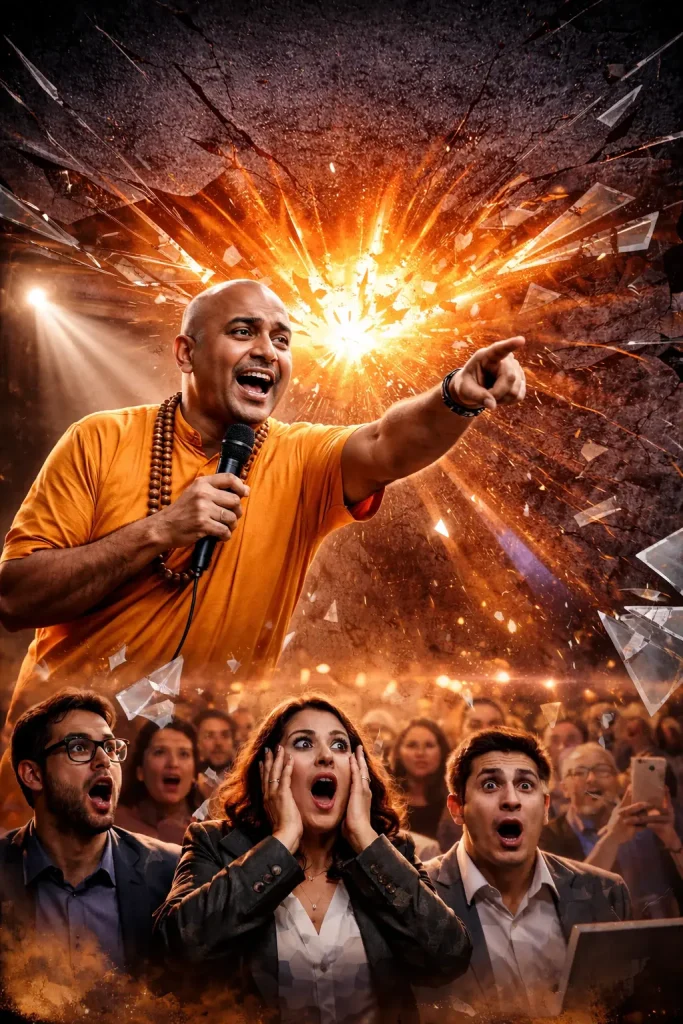
The first minute of a speech is the most expensive real estate in the world. If you don’t “arrest” the room’s focus immediately, you’ve lost them to their smartphones. A speaker must “Startle” the audience with a contrarian truth or a shocking assertion.
- Anand Neelakantan startles the room by challenging the very concept of “Goodness,” arguing that growth often belongs to the hungry Asuras who unlearned the traditional rules.
2. T – Twist (The Cognitive Surprise)

Human brains are wired for patterns. If the audience can predict the speaker’s next sentence, they stop listening. The “Twist” is the introduction of a “Virgin Story”—the raw, undocumented truth that flips the expected narrative.
- Pullela Gopichand delivers a “Twist” by moving away from his victories to share the “unfiltered” pain of being abandoned by the superstars he built from scratch.
3. R – Resonance (The Agreement Bridge)
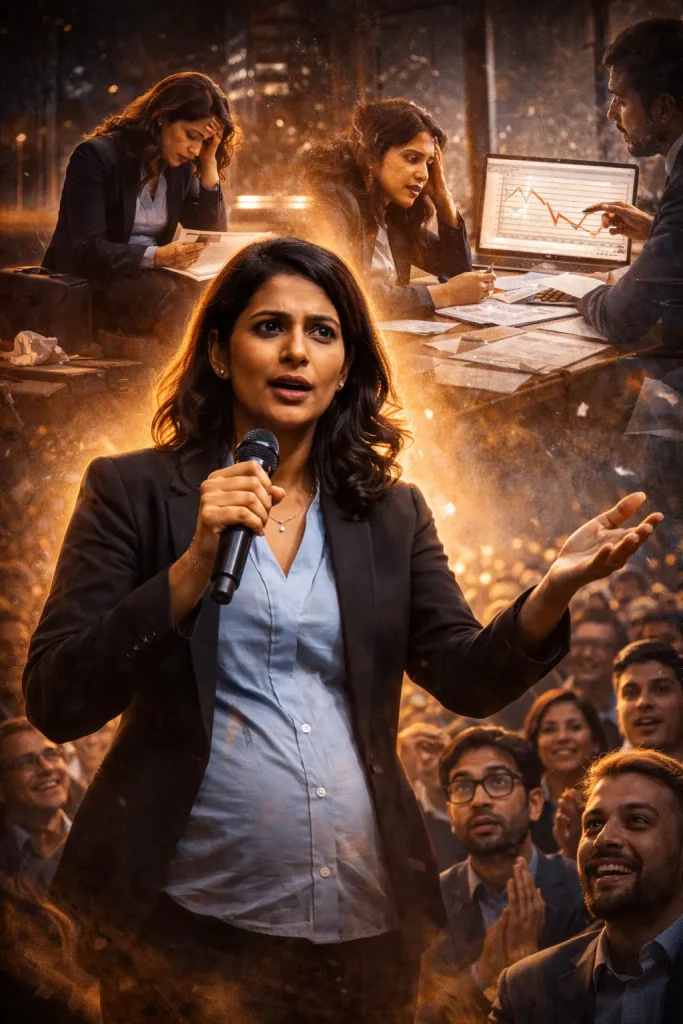
Without “Resonance,” a speaker is just an outsider lecturing. You must build an “Agreement Bridge” where the audience nods because the speaker’s struggle mirrors their own corporate “shared pain”.
- Vineeta Singh creates instant resonance when she talks about the grit required to navigate a high-stakes funding round while pregnant.
4. I – Ignite (The Emotional Spark)

This is where the speaker moves the room from “What is” to “What if.” It is the transition from a shared struggle to the “Ignition” of potential.
- Yuvraj Singh uses his redemptive resilience against cancer to spark an emotional fire. He makes the audience feel: “If he could survive that, I can survive this quarter.”.
5. V – Validate (The Strategic Proof)
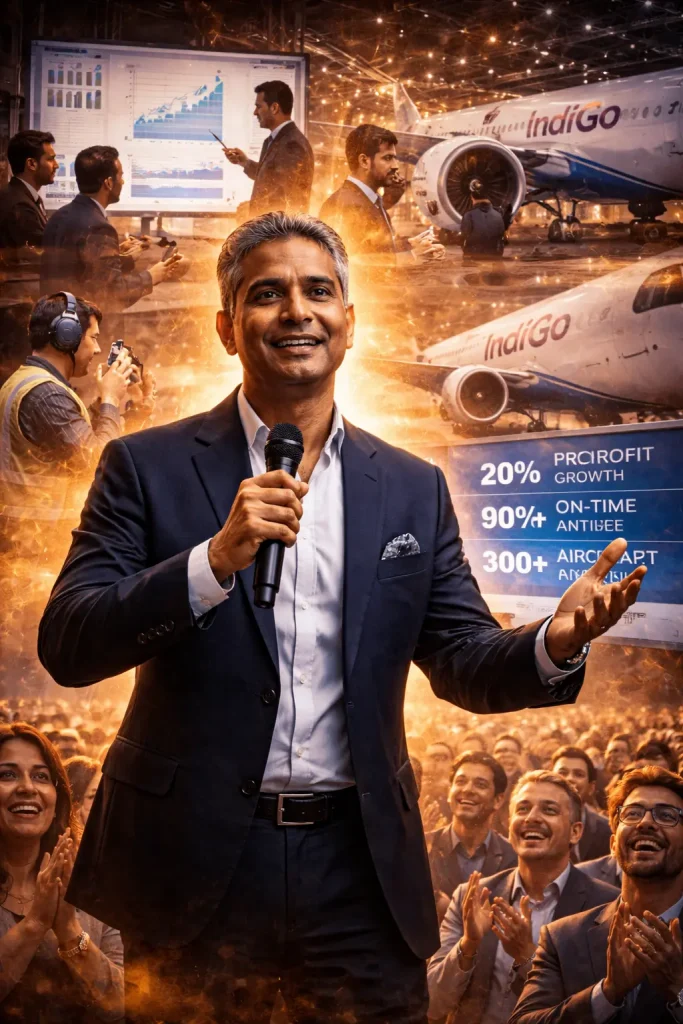
In 2026, inspiration without proof is just entertainment. Corporate audiences need to see that the speaker has “done the work” in the hot seat of the real world.
- Aditya Ghosh validates his leadership theories by showing how a legal mind built IndiGo into India’s most profitable carrier through operational excellence.
6. E – Execute (The Monday Morning Playbook)
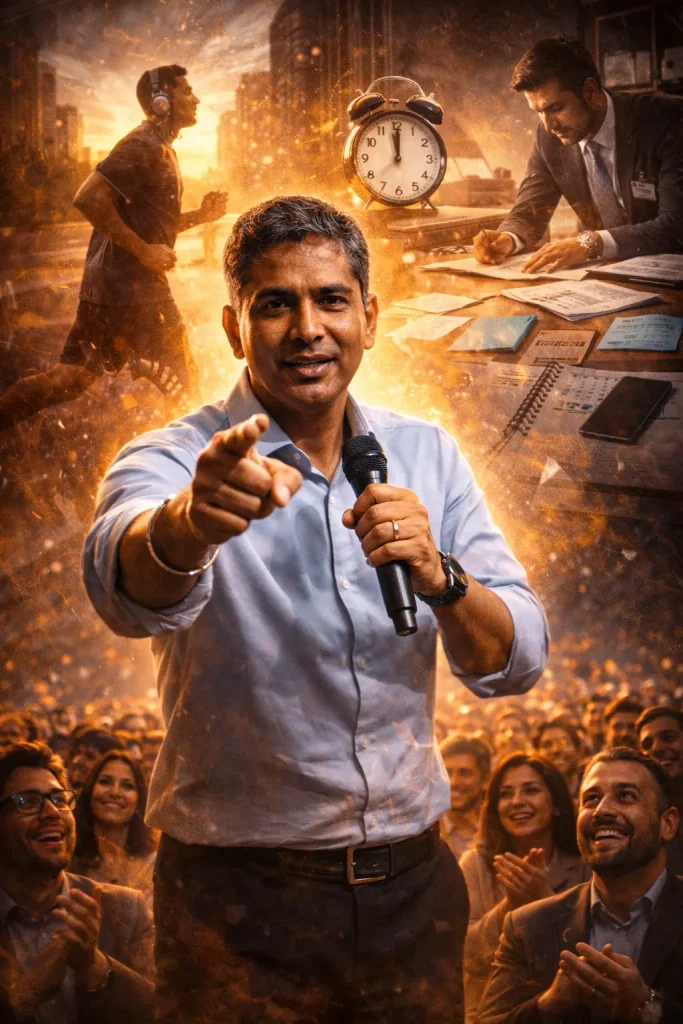
A keynote that doesn’t arouse the “intent to act” is a failure. Every session must end with the “Monday Morning Rule”—a tangible, measurable action the audience will take tomorrow.
- Harsha Bhogle gives the audience a clear “game plan” for upskilling, advising them to “practice excellence in everyday life” so they remain relevant in changing times.
Conclusion
In an era where attention is scarce and authenticity is non-negotiable, motivational keynotes must evolve beyond inspiration into transformation. The STRIVE Framework is not a formula for sounding good on stage; it is a psychological blueprint for driving belief, credibility, and action in real rooms with real stakes.
When speakers master Startle, Twist, Resonance, Ignite, Validate, and Execute, they stop being performers and become catalysts. At engage4more, the STRIVE Framework helps us identify speakers who don’t just motivate for an hour, but create momentum that lasts long after the applause fades.
FAQ: Everything You Need to Know About Booking a Speaker
Q: How far in advance should I book a top-tier motivational speaker?
A: For “National Icons” or high-demand practitioners like Kapil Dev or Sadhguru, we recommend reaching out 4 to 6 months in advance. However, at engage4more, our “Scout Network” can often accommodate last-minute “Emergency Bookings” within 1 month if a speaker’s calendar opens up.
Q: What is the typical fee range for a motivational speaker in India?
A: Fees vary based on the “Character Tier.” Emerging subject matter experts typically range from ₹2L to ₹5L, while established industry leaders and national icons can range from ₹10L to ₹35L+. Celebrity icons like Neeraj Chopra or MS Dhoni are in a premium tier that requires specialized negotiation.
Q: How do I measure the ROI of a 60-minute speaking session?
A: We focus on “Return on Interaction.” Beyond post-event NPS scores, look for “Monday Morning Actions.” Are teams using the speaker’s vocabulary? Is there a measurable dip in “absenteeism” or a spike in “sales lead generation” in the 3 months following the session?.
Q: Should I book a local speaker to save on costs?
A: Proximity is a comfort, but Impact is a priority. A speaker who perfectly matches your “Vibe” but requires travel will always deliver a better ROI than a local speaker who is just a “fill-in”. At engage4more, we manage all travel logistics to make “out-of-station” bookings seamless.
Ready to find a speaker who truly STRIVES? Explore our 2026 Scouted Roster of Motivational Speakers.
About the Author
Nishant Parashar is the founder of engage4more and host of The Good Gobar Show. Having worked with giants like Times of India and Standard Chartered Bank, he now specializes in “Virgin Stories”—connecting corporate leaders with practitioners who deliver raw, podcast-style truth on stage.