

Why These 5 Fierce Animal Mothers and Iconic Indian Matriarchs are Anything But Weak
To materialize these traits in your organization, we recommend booking voices that bridge instinct and industry. Explore our Female Motivational Speakers specialty hub for icons who embody these “Wild” traits. You can also check our Mega Hub of Motivational Speakers.
In 2026, the “Alpha Male” top-down model is being replaced by Collaborative Matriarchy. Data suggests that organizations with high-trust, matriarchal structures see a 24% increase in team psychological safety. At engage4more, we have been scouting these high-impact voices since 2010. The “Strategic Proof” is in our DNA: Nature perfected “Inclusive Leadership” millions of years before it became a corporate buzzword.
The “Nurturing = Weak” Fallacy
Transparently, the corporate world often mistakes “nurturing” for a soft skill. As an HR leader, you know that the most “nurturing” managers are often those who hold the line most fiercely. To build trust in your leadership pipeline, stop vetting for “aggression” and start vetting for “Protective Strategy.” A fierce leader ensures the survival of the “pod,” not just their own ego.
Why HR Professionals Must Pivot to the Wild
Why talk about Orcas and Elephants? Because they represent Absolute Ownership. In a hybrid, fragmented 2026 workforce, HR leaders need “Matriarchs”—leaders who carry the institutional memory and protect the culture from external “predators” like burnout and attrition.
Meet the Warrior, Not the “Gentle Mother”
Nature doesn’t do “polite” inclusion. A matriarchal leader eats first, leads the hunt, and makes life-or-death decisions. If your DEI strategy is just about “feeling good,” you are missing the Intensity of true inclusion. True Nari Shakti is about Raw Power used to safeguard a legacy.
The 2026 Matriarchal Leadership Roadmap
1. The Orca & Sudha Murty (Institutional Memory)
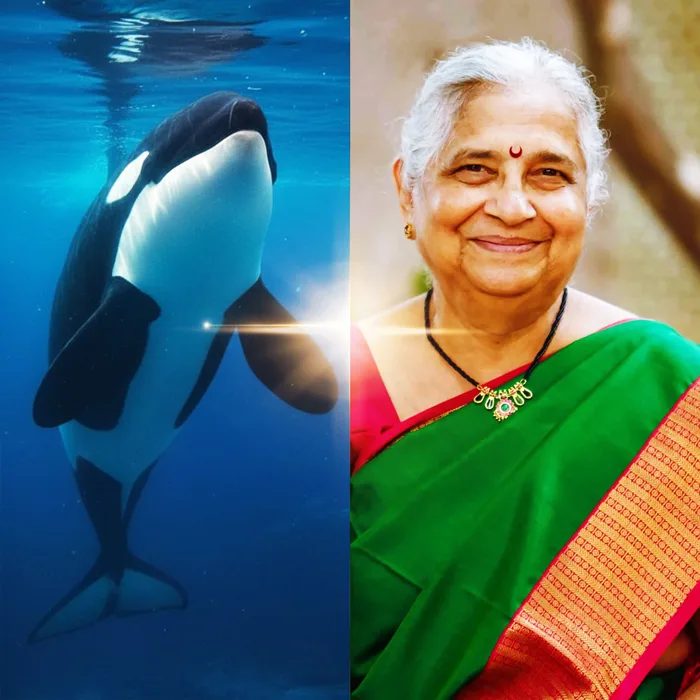
Orcas are led by post-menopausal females who hold the “ecological map” of the ocean. Similarly, Sudha Murty serves as the “Matriarch of Wisdom” in India, leading with “soft but sharp” power. She proves that a woman’s leadership is most potent when it emanates from decades of experience and service.
2. The Spotted Hyena & Mary Kom (The Alpha Queen)
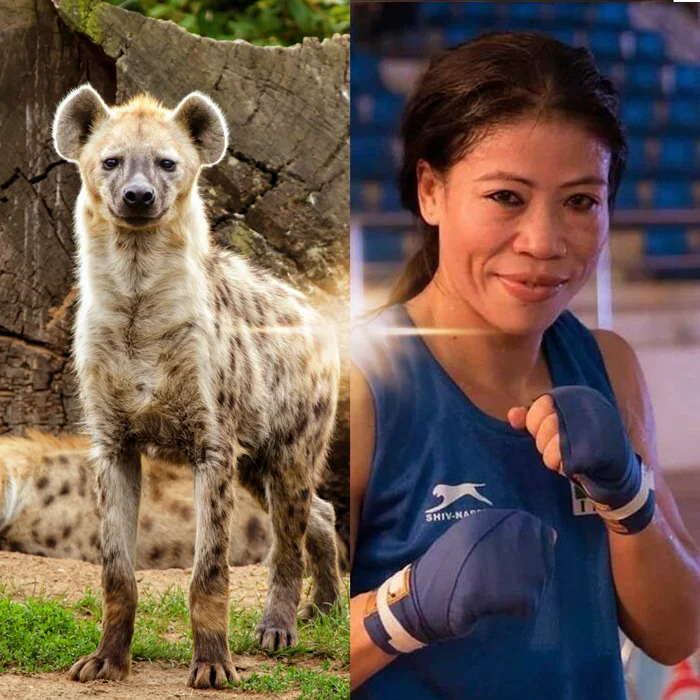
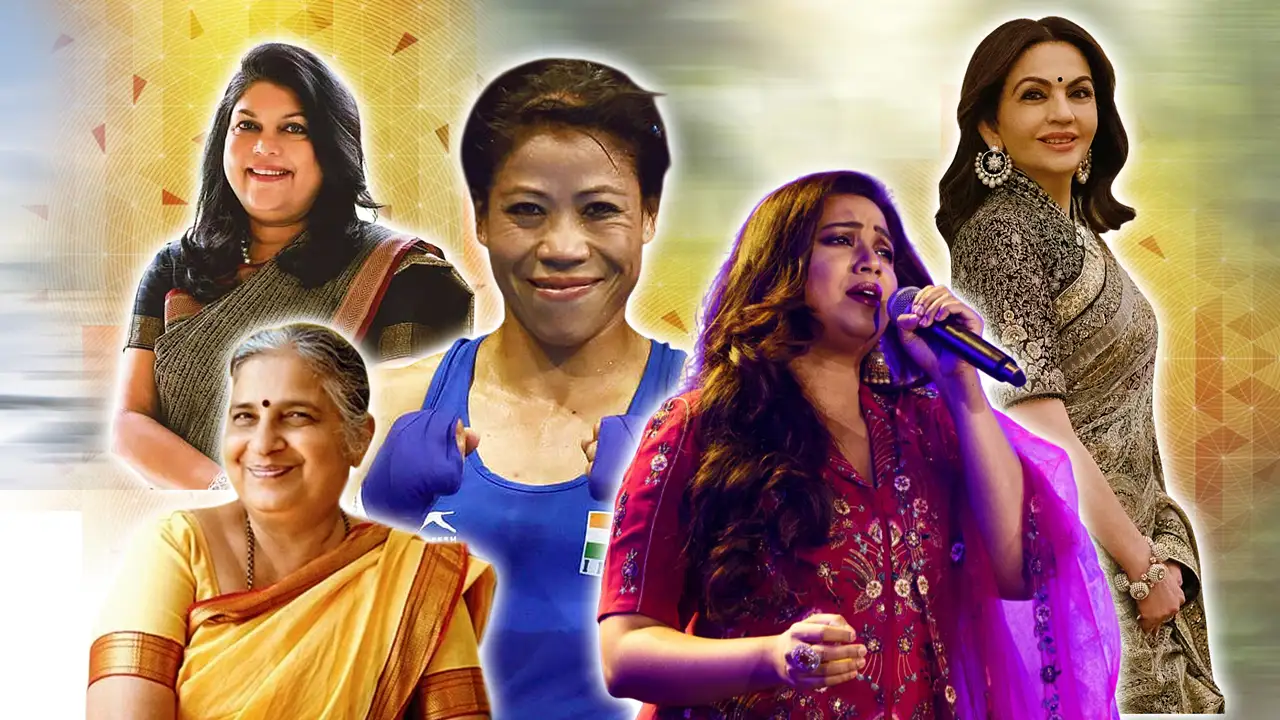
In hyena clans, females are larger, more muscular, and the clear leaders. Mary Kom, the “Magnificent” fighter, mirrors this “Alpha” energy. She shattered the stereotype that motherhood diminishes a woman’s “edge,” returning to dominate the ring after having three children.
3. The African Elephant & Nita Ambani (Legacy Protection)
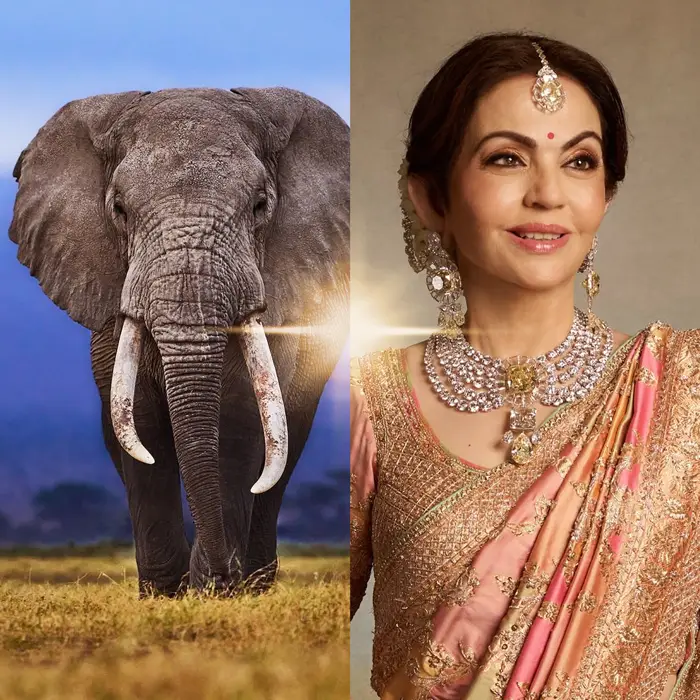
Elephant herds create a “Wall of Protection” around the young. Nita Ambani mirrors this as a structural pillar, orchestrating global cultural centers and sporting leagues (like Reliance Foundation and “Her Circle”) to protect and nurture Indian talent for the next generation.
4. The Polar Bear & Falguni Nayar (Entrepreneurial Grit)
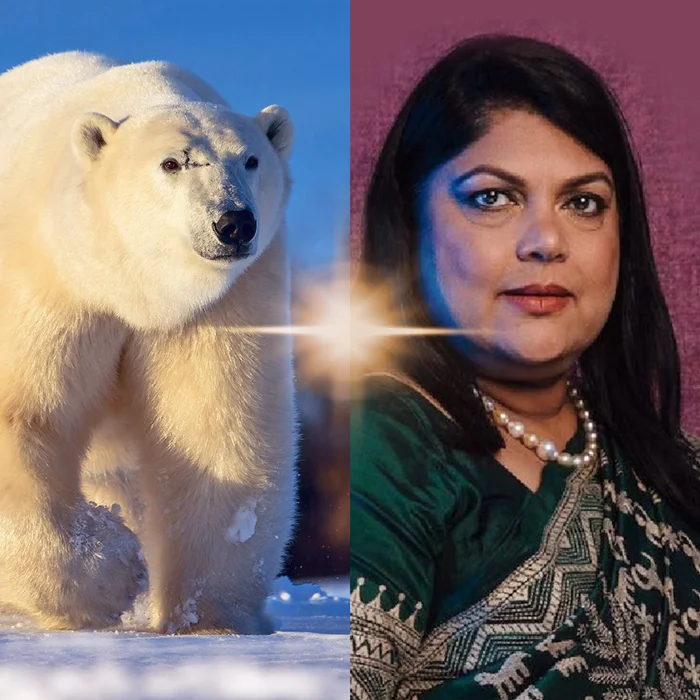
A polar bear raises her cubs alone in -40°C. Falguni Nayar mirrors this “Solo Visionary” grit. At 50, she built a billion-dollar beauty empire (Nykaa) from scratch in the harsh “Arctic” of India’s VC world without waiting for a “provider.”
5. The Giant Pacific Octopus & Shreya Ghoshal (Extreme Focus)
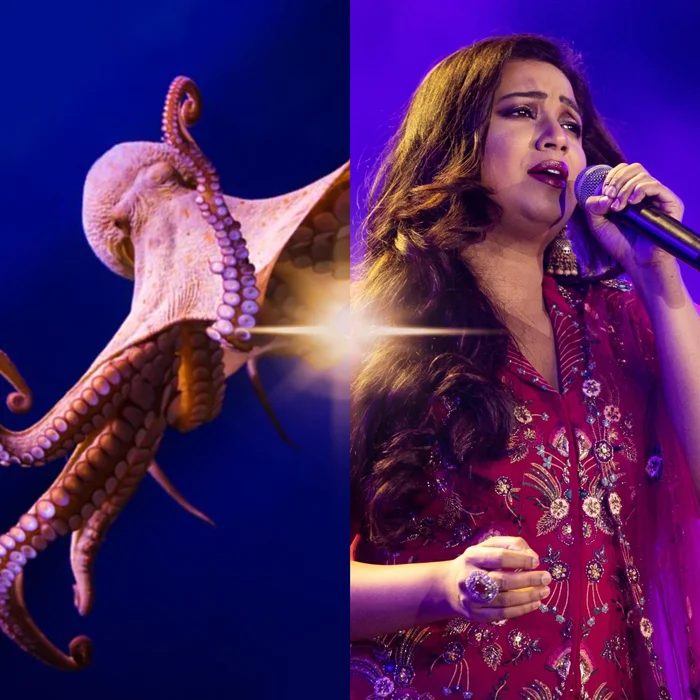
The octopus demonstrates a level of “spiritual focus” and sacrifice that ensures the survival of the next generation. Shreya Ghoshal embodies this intense discipline, safeguarding the purity of her voice against the ever changing world of music.
Nature proves that the most successful societies are led by those who nurture and protect. Is your organization’s leadership structure a protective “Elephant Herd” or a fragmented “Lone Wolf” trap? Let’s discuss the ROI of Matriarchal models below.
At engage4more, we have been the silent architects of corporate culture since 2010. We believe that the most powerful “Virgin Stories” are the ones that strip away the corporate polish to reveal the raw, unscripted truth of survival.
This raw energy is what we capture on Good Gobar Show, hosted by Nishant Parashar. The show is where we find the gold amidst the “gobar,” interviewing icons who have navigated the “harsh Arctic” of their industries. Every speaker we recommend is passed through our proprietary STRIVE framework, ensuring they bring more than just a story—they bring a survival strategy.
FAQs
1. Why compare animal mothers with iconic Indian women?
Because nature has been getting female leadership right for millions of years. Animal matriarchs show us that nurturing and power are not opposites—they are deeply connected. By drawing parallels with iconic Indian women, the blog highlights how the same traits seen in the wild—resilience, strategy, sacrifice, and authority—exist in real-world leadership, breaking long-standing stereotypes about motherhood and strength.
2. What stereotype about motherhood does this blog challenge the most?
The idea that motherhood makes women “soft,” “less ambitious,” or “distracted.” In both the wild and society, motherhood often sharpens focus, strengthens leadership, and deepens responsibility. These stories prove that being a mother—or embracing maternal instincts—can amplify strength rather than diminish it.
3. Why are matriarchal animal societies important to this narrative?
Matriarchal species like orcas and elephants thrive because of experience-led, memory-driven leadership. These societies demonstrate that wisdom, age, and emotional intelligence are survival tools. The blog uses these examples to challenge the human tendency to undervalue older women or push them out of leadership roles.
4. How does this blog connect to International Women’s Day?
International Women’s Day often celebrates women for resilience and care—but sometimes stops short of acknowledging their raw power. This blog reframes the conversation, urging readers to celebrate women not just as caregivers, but as warriors, decision-makers, and legacy builders—just as nature does.
5. How can these stories be used in workplaces or events?
These narratives are powerful conversation starters for Women’s Day events, leadership talks, and DEI discussions. They help audiences rethink bias, leadership styles, and gender roles in an engaging, non-preachy way. Speakers who embody these journeys can bring these lessons alive through real experiences, making them impactful for teams and organizations.
About the Author
Sweetlena Mandal is a writer with more than seven years of experience across formats, she is known for her fluid, human-centric style that blends clarity, emotion, and purpose.