

International Women’s Day 2026: Why Women in Indian Politics are Moving from Representation to Absolute Ownership
In 2026, the implementation of the Nari Shakti Vandan Adhiniyam marks a structural pivot in Indian power. But the “Strategic Proof” of female leadership isn’t just in the legislation—it’s in the decades of high-stakes execution by icons who dismantled monopolies. At engage4more, we have tracked these leadership shifts since 2010. We’ve seen that organizations adopting these “Political-Grade” resilience tactics see a 40% better retention rate during market volatility.
The “Soft Power” Paradox
Transparently, many corporate leaders mistake “empathy” for a lack of “toughness.” The women of Indian politics prove that you can lead with a Bindi on your forehead and iron in your soul. To build trust in your leadership, you must move past the “Goongi Gudiya” (dumb doll) stereotypes. Trust is built when leaders combine tactical grit with emotional intelligence.
Why a “Street Fighter” Mentality Wins in 2026
Why does Mamata Banerjee or Smriti Irani matter to a CXO? Because 2026 is an era of Disruption. If you are not “Street-Fighting” for your market share, you are losing it. These icons teach us how to dismantle “political bastions” (market monopolies) and win by focusing on the “Maa, Mati, Manush” (the grassroots customer).
Don’t Just Sit at the Table—Own the Room!
Polite leadership is dead. The women who conquered Indian politics didn’t ask for permission; they staged a “coup d’état” of the status quo. This is the level of Intensity required to navigate AI disruption and global economic shifts. If your leaders are waiting for flowers, they aren’t leading. They should be taking the podium.
The Pioneers of Women in Indian Politics: Changing the Definition of Leadership
To appreciate the present-day presence of women leadership in India, we pay homage to the giant women who were not content to remain giant- size in an adjustment to reality. These women not only thrived in a male chauvinistic arena, they conquered it.
1. The Iron Fist: Indira Gandhi and Jayalalithaa
Indira Gandhi is the blue-print for political toughness. She was labeled “Goongi Gudiya” (dumb doll) in her early days in politics, but she turned out to be the toughest prime minister in Indian history.
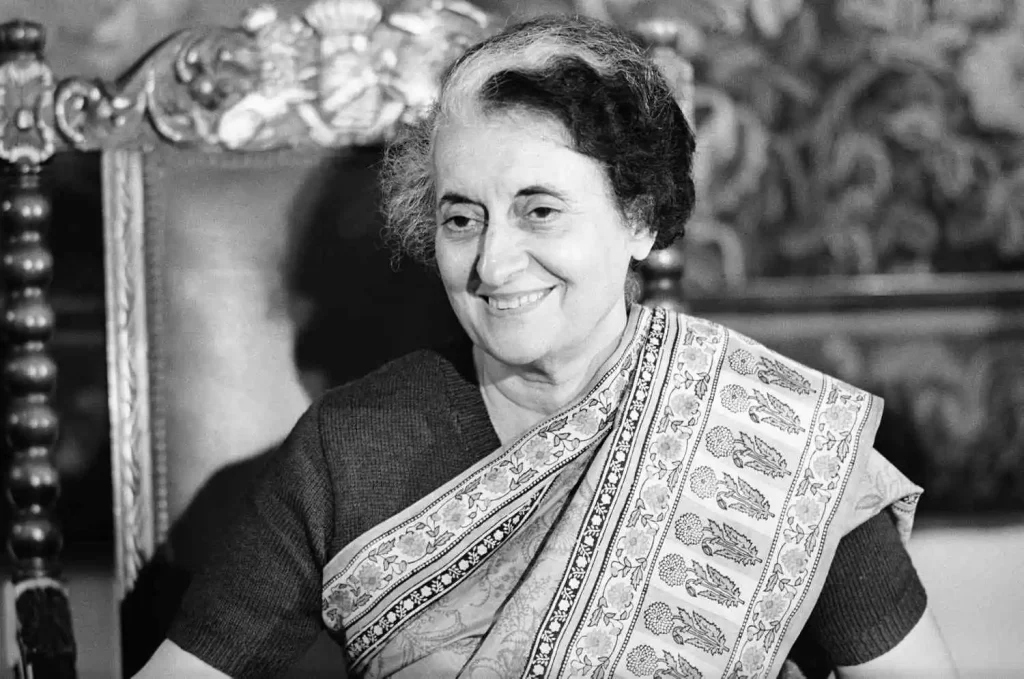
Lesson: Decisive Resource Ownership. Sometimes, a leader must be “unpopular” to be effective.
2. The People’s Diplomat: Sushma Swaraj
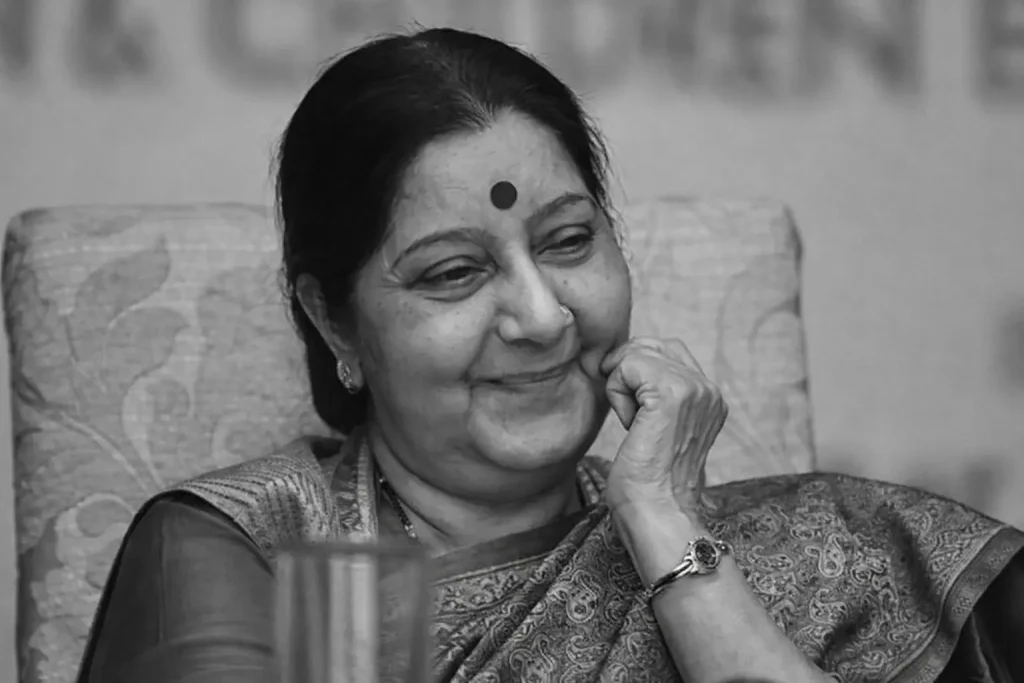
Sushma Swaraj revolutionized the Ministry of External Affairs with her new persona. She is known as the “People’s Minister” for using online tools to fill the gap between the government and the people. She left a legacy that shows one does not need to be stern and cold to deliver.
Lesson: Radical Accessibility. 2026 leadership is about being a “People’s Minister” via tech. (Image courtesy: ndtvimg)
The Disruptors: Street Grit and Global Impact
There are some women who hold the stage with an enigmatic aura, and then there are some who believe in bringing disruption to make you listen to them. These women did not just survive the world of politics, but created their own pathway.
3. The Street Fighter: Mamata Banerjee
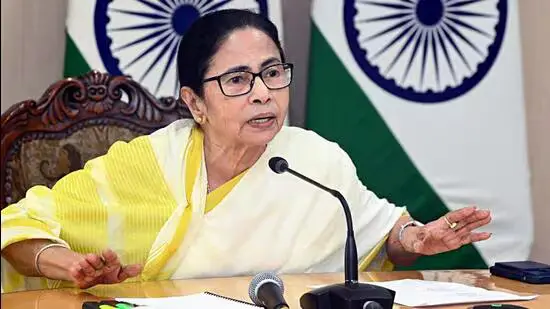
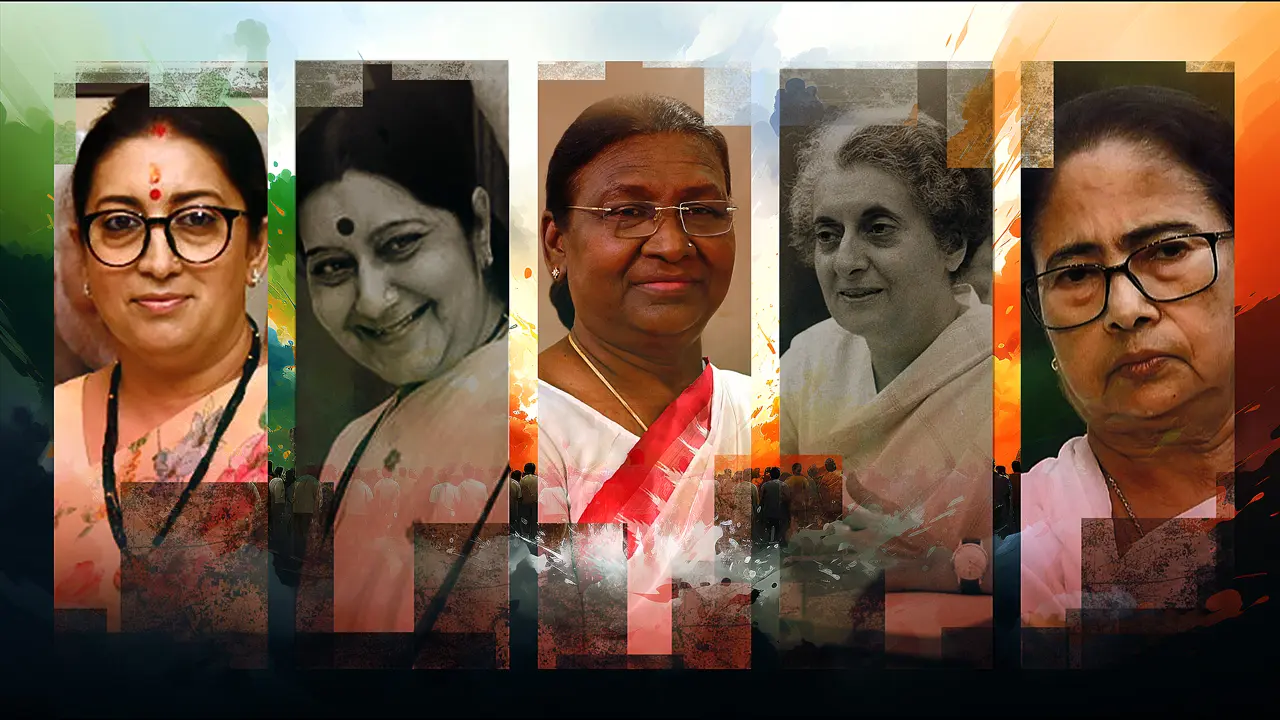
Mamata Banerjee is the definition of unapologetic power. Clad in a simple cotton saree, she dismantled a 34-year-old political monolith in West Bengal. She can be criticised for her ways, and she can be called out for her methods; but no one can deny the way she stands her ground against every force.
Lesson: Radical Accessibility. 2026 leadership is about being a “People’s Minister” via tech. (Image courtesy: hindustantimes)
4. The Giant Slayer: Smriti Irani
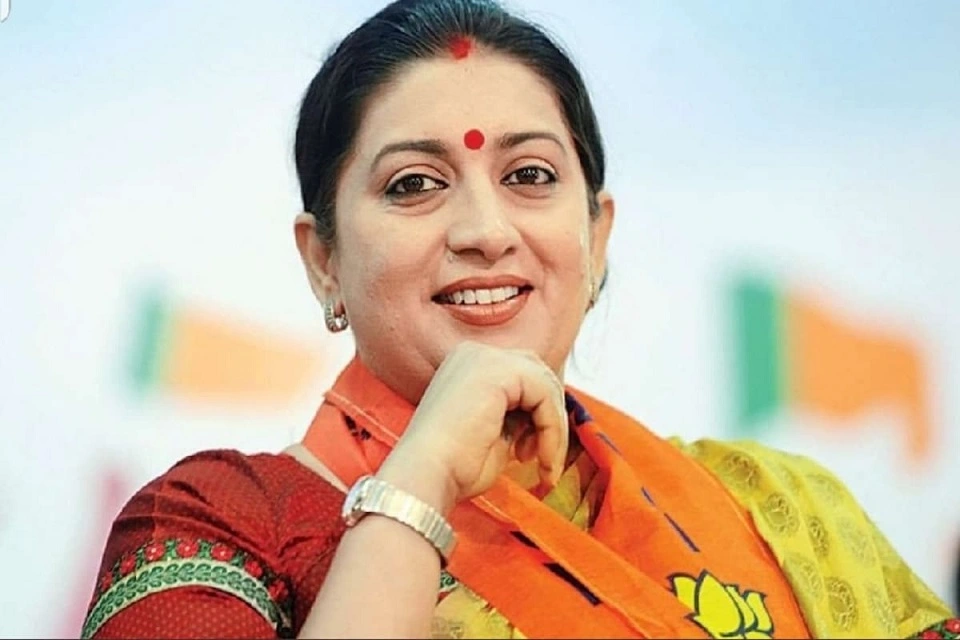
Smriti Irani is the personification of modern political audacity. Labeled an “outsider” from the world of television, she did the unthinkable by dismantling one of India’s most powerful political bastions. Her journey highlights a critical shift: the modern Indian voter values performance over pedigree.
Lesson: Modern Credibility. In 2026, your “Showreel” (past performance) matters more than your “Ancestry” (traditional degree)(Image courtesy: cnbcevents)
5. The Silent Revolution: President Droupadi Murmu
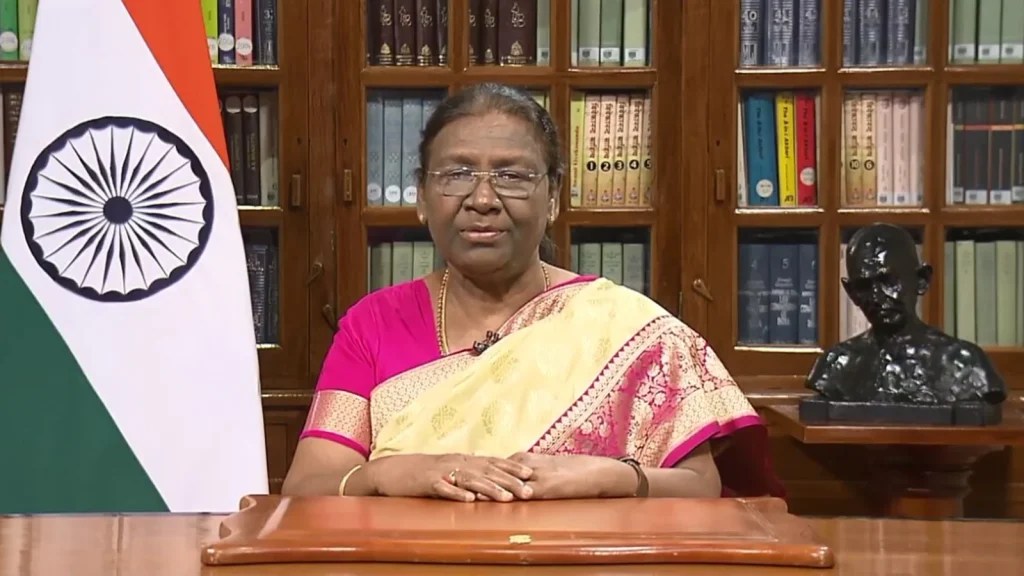
Today, the highest office in the land is held by Droupadi Murmu. As the first tribal President of India, her presence is a wake-up call. She embodies the “unseen” India, showing that the road to the center can be traveled from the margins.
Lesson: Inclusion as a Standard. True power isn’t loud; it is a wake-up call that changes the standard of representation. (Image courtesy: hindustantimes)
Conclusion: It Is No Longer a “Man’s World”
At engage4more, we have been the silent architects of high-impact events since 2010. To bring this level of transformative leadership and resilience to your corporate stage, explore our curated selection of thought leaders at the [International Women’s Day Speakers Directory].
This “gold amidst the gobar” is what we uncover on Good Gobar Show, hosted by Nishant Parashar. Whether it’s a politician or a world-class athlete, we look for the “Lifeline” that resonates with your team. Every speaker on our platform is scouted through our proprietary STRIVE framework, ensuring they don’t just speak—they transform your corporate narrative.
FAQs
1. Why is International Women’s Day 2026 significant for women in Indian politics?
International Women’s Day 2026 marks a defining moment where women in Indian politics have moved beyond symbolic representation to real, structural power. With the near-full implementation of the Nari Shakti Vandan Adhiniyam (Women’s Reservation Bill), women are no longer political placeholders—they are decision-makers shaping national and state agendas.
2. What is the Nari Shakti Vandan Adhiniyam and how does it impact women leaders in India?
The Nari Shakti Vandan Adhiniyam, also known as the Women’s Reservation Bill, mandates greater representation of women in legislative bodies. Its impact goes beyond numbers—it creates a pipeline for women to exercise authority, influence policy, and own political leadership rather than merely participating in it.
3. How have women leaders like Indira Gandhi and Jayalalithaa changed Indian political leadership?
Leaders like Indira Gandhi and Jayalalithaa redefined power by blending decisiveness with emotional intelligence. They proved that strength in Indian politics is not about masculinity, but about conviction, resilience, and the ability to command public trust—setting a blueprint for future women leaders.
4. Are modern women politicians in India breaking traditional power structures?
Yes. Contemporary leaders such as Mamata Banerjee, Smriti Irani, and President Droupadi Murmu have disrupted entrenched political hierarchies. From grassroots movements to the highest constitutional office, they represent a shift where performance, authenticity, and people’s connect outweigh lineage and legacy.
5. How are women in Indian politics moving from representation to ownership?
Women in Indian politics today are not just occupying seats—they are setting agendas, dismantling political monopolies, and reshaping governance. Ownership means writing policy, commanding public discourse, and redefining leadership on their own terms, not by inherited rules.
6. Can sitting Indian women politicians be hired for private corporate events?
While sitting ministers and active politicians often participate in industry summits to share vision and policy updates, their participation is subject to strict protocol and government schedules. For private corporate retreats, organizations often prefer Practitioners like retired bureaucrats or IAS officers who offer Strategic Proof of administrative success without the constraints of active office.
7. What value do former bureaucratic leaders bring to a corporate leadership summit?
Former bureaucrats are the ultimate practitioners of large-scale execution. They share raw ‘Virgin Stories’ of navigating complex legal frameworks and massive public-sector projects. Their sessions provide a tangible execution roadmap for corporate leaders dealing with “red tape,” policy change, and institutional resilience.
8. Is there a specific protocol for booking female political icons for International Women’s Day (IWD)?
Yes. High-profile speakers in the political and bureaucratic space require early coordination and formal invites. You can explore our curated Female Motivational Speakers & IWD Mega-Hub to find vetted practitioners who have transitioned from public service to professional keynote speaking.
9. How does engage4more ensure the quality of a speaker from a non-corporate background?
Every speaker, including those from the political or defense sector, is audited via our STRIVE Framework. This ensures they don’t just “share a story” but provide Strategic Proof and actionable insights that align with your corporate objectives and 2026 performance goals.