

India’s Stand-Up stars who are known for diving deep into the hilarious world of political comedy
India’s stand-up comedy scene has produced some of the most politically engaged comedians in the world. At a time when public conversation around power, institutions, and identity has never been more charged, a generation of artists has chosen to make that conversation funny — and in doing so, has turned comedy into one of the most watched, most discussed, and most consequential art forms in the country.
For a corporate event organiser, this landscape is both an opportunity and a navigation challenge. Political comedians come with pre-built audience credibility, sharp material, and an unmistakable identity. They also come with content that requires careful assessment before a briefing call. Knowing who these artists are, what drives their comedy, and where the corporate suitability boundaries lie is the groundwork for making a confident, informed booking decision.
This guide covers India’s most significant political comedy voices — stand-up comedians and Hasya Kavis — assessed through the lens of the P.U.N.C.H.Y. framework, engage4more’s operating system for corporate comedy that actually lands.
What Political Comedy Means in a Corporate Context
Political comedy is comedy that uses power as its raw material — governments, institutions, social hierarchies, cultural hypocrisies. It is the oldest form of comedy in the world, and in India it carries a weight and an urgency that is unlike almost anywhere else.
In a corporate event context, political comedy sits in a specific zone within the P.U.N.C.H.Y. framework’s N pillar — No-Go Zones. Every organisation carries its own political sensitivities: a government-affiliated company has different content boundaries than a startup, a pharma multinational has different considerations than a media house. Political comedy from the right comedian, for the right audience, with the right briefing, can be the most memorable show a corporate team has ever attended. Without those three alignments, it becomes the incident HR is managing for months.
The section below profiles each comedian against four dimensions that matter for corporate organisers: their comedy style, their defining work, their typical audience, and the corporate suitability assessment. Read all four before deciding.
Kunal Kamra — India’s Most Unfiltered Political Voice
Kunal Kamra has been India’s most consistently political stand-up comedian since 2017 — producing work that tracks the country’s political landscape with a forensic attention that few performers in any medium can match. His podcast series Shut Up Ya Kunal, which featured extended interviews with politicians, journalists, and public intellectuals, established him as something more than a comedian: a platform for political accountability delivered through the medium of performance.
His comedy is built on a foundational belief that political systems deserve to be interrogated publicly, that satire is a legitimate form of civic engagement, and that audiences are sophisticated enough to handle material that makes them uncomfortable. The result is work that is analytically precise, structurally disciplined, and uncompromising in its targets.
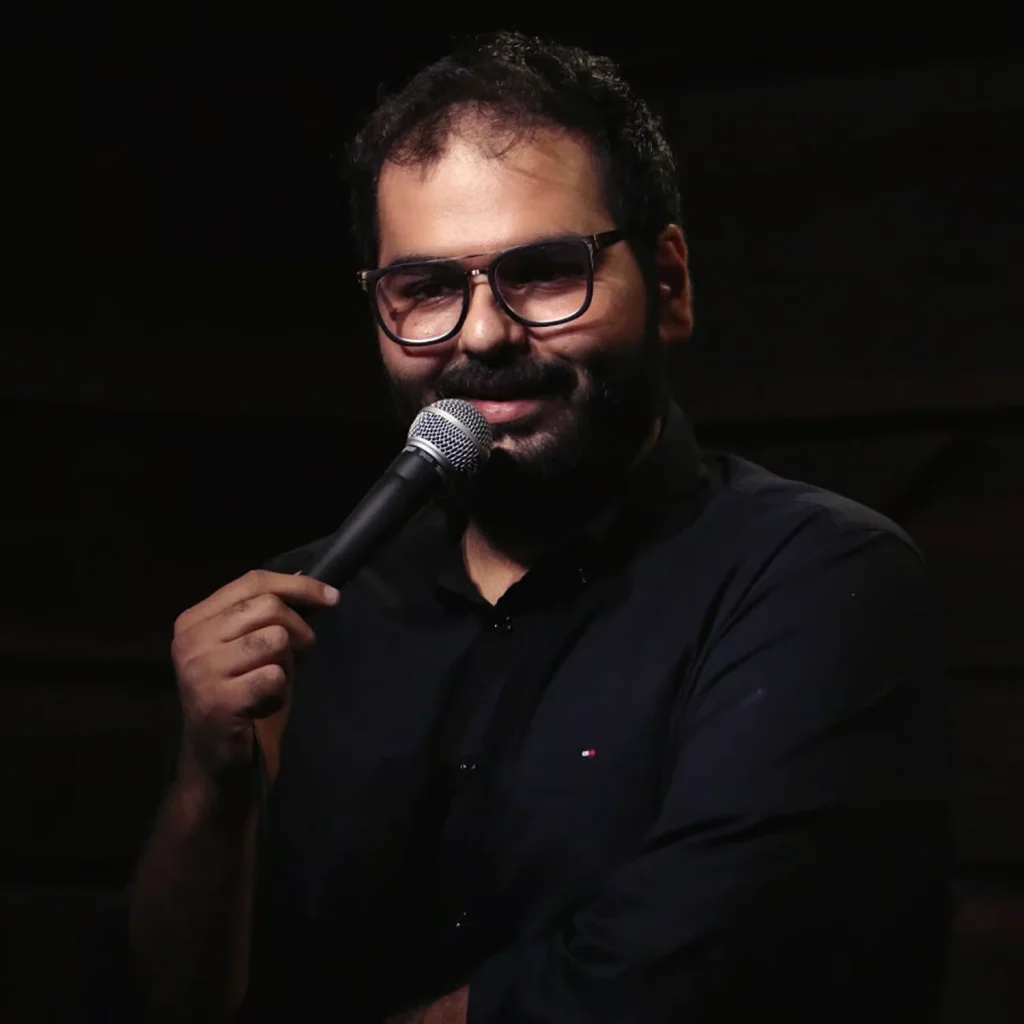
For corporate organisers, Kamra requires careful P.U.N.C.H.Y. assessment at the N pillar — No-Go Zones. He performs political satire as his primary material, and the content is not calibrated for general audiences. His work is best suited to organisations where the audience has a demonstrated appetite for sharp political commentary, where leadership has explicitly approved the content direction, and where the briefing process includes a frank conversation about political content boundaries.
For organisations that meet those criteria, Kamra delivers a show of rare intellectual intensity and comedic precision.
|
Corporate Suitability Note: High-controversy political content. Pre-booking consultation strongly recommended. Best fit: media, journalism, policy, and advocacy organisations with politically engaged audiences and explicit leadership approval for the content direction. |
View Kunal Kamra’s profile on engage4more
Munawar Faruqui — Sharp Satire Forged Under Pressure
Munawar Faruqui has emerged from one of the most challenging periods any Indian comedian has faced to produce some of the most watched, most debated comedy in the country. The adversity has not softened his material — if anything, it has sharpened it. His 2025 special, which dissected election promises with structural wit and personal candour, demonstrated a comedian operating at a level of creative confidence that his early career did not fully signal.
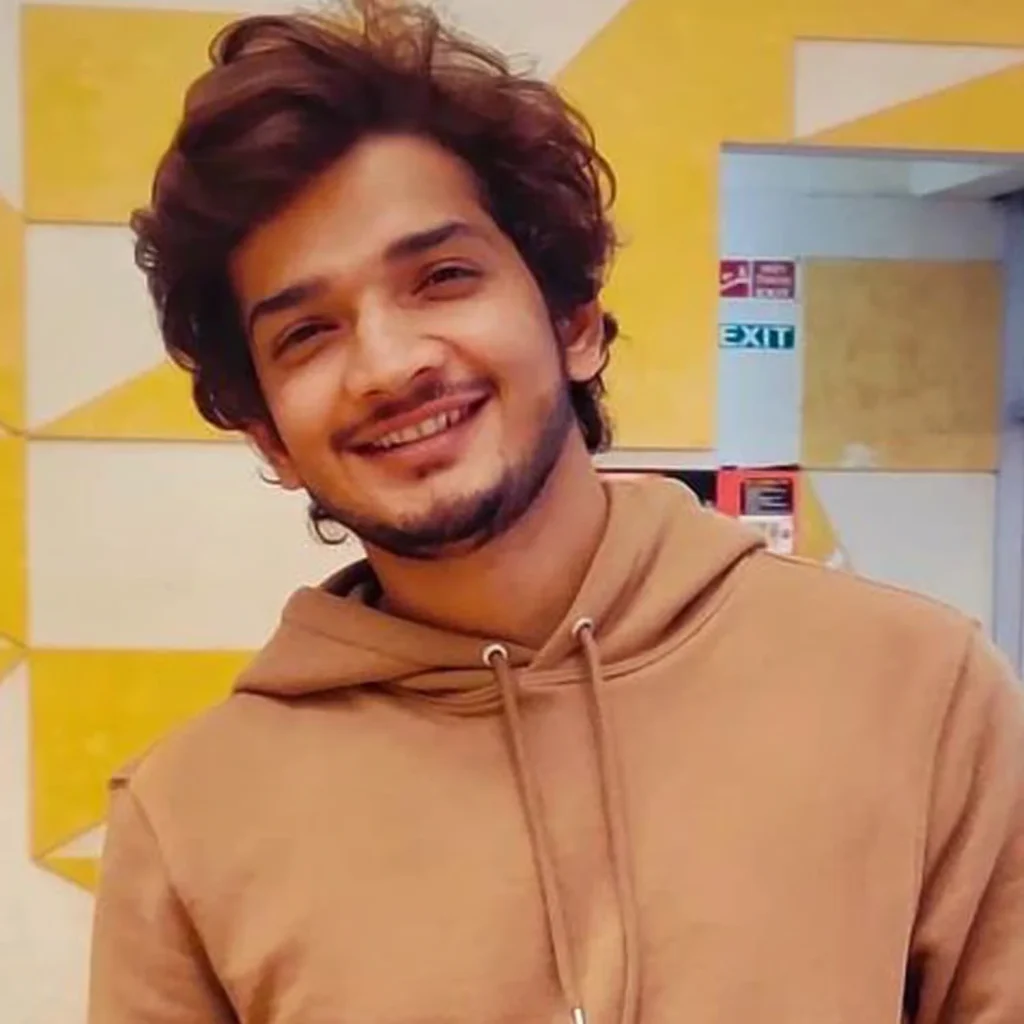
His comedy sits at the intersection of personal narrative and political observation, using his own experience as both source material and argumentative evidence. The structural sophistication of his recent work, the way he builds premises, delays the punchline, and then lands with precision, marks him as one of the most technically accomplished comedians currently performing in India.
For corporate organisers, Faruqui’s work requires the same careful N pillar assessment as Kamra. His comedy references religion, political institutions, and social power dynamics, all of which require advance organisational alignment before a booking conversation begins. He performs best for audiences that have cultural depth, that are comfortable with complexity, and whose organisations have a clear view of their content boundaries.
|
Corporate Suitability Note: Political and religious satire content. Pre-booking consultation essential. Best fit: organisations with mature, diverse audiences and explicit content approval from leadership. |
View Munawar Faruqui’s profile on engage4more
Vir Das — Global Political Storytelling at National Scale
Vir Das is the most globally visible Indian comedian working today, and his approach to political comedy reflects that global positioning. His 2021 Kennedy Centre monologue Two Indias, a two-minute meditation on the country’s contradictions that simultaneously generated intense criticism and admiration, demonstrated a political sensibility that operates not through partisan alignment but through structural observation. He is interested in the gap between India’s self-image and its lived reality, and he uses that gap as the engine of his comedy.
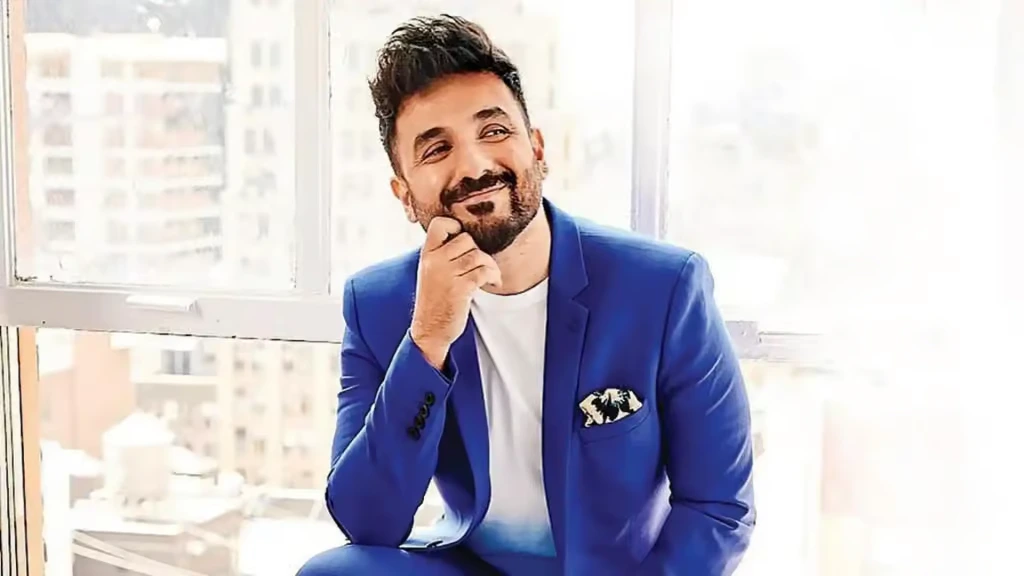
His Netflix specials, including For India and Losing It, give corporate organisers the clearest possible view of his political compass. He is multilingual, culturally fluent across Indian and global contexts, and brings a production polish to his live performances that few comedians on any circuit can match. His Emmy nomination for For India is the most significant international recognition any Indian stand-up comedian has received.
For corporate organisers, Vir Das is one of the most sophisticated options in this category. His political material is observational and structural rather than partisan, it tends to generate conversation and reflection rather than division. He requires strong P.U.N.C.H.Y. Personality Fit assessment at the N pillar: the cultural complexity of his material means the audience needs to be intellectually engaged and comfortable with layered content.
|
Corporate Suitability Note: Observational political satire with global cultural references. Generally suitable for senior leadership events, large diverse audiences, and organisations comfortable with reflective, intellectually ambitious content. |
View Vir Das’s profile on engage4more
Kenny Sebastian — The Comedian Who Chose Tea Over Politics — and Why That Matters
Kenny Sebastian made one of the most self-aware decisions in Indian stand-up comedy: he built an entire special, Why I Don’t Do Jokes About Politics in India, around his deliberate choice not to engage with political material. This is not an act of avoidance; it is a position, articulated with characteristic warmth and precision, about the relationship between a comedian and their audience.
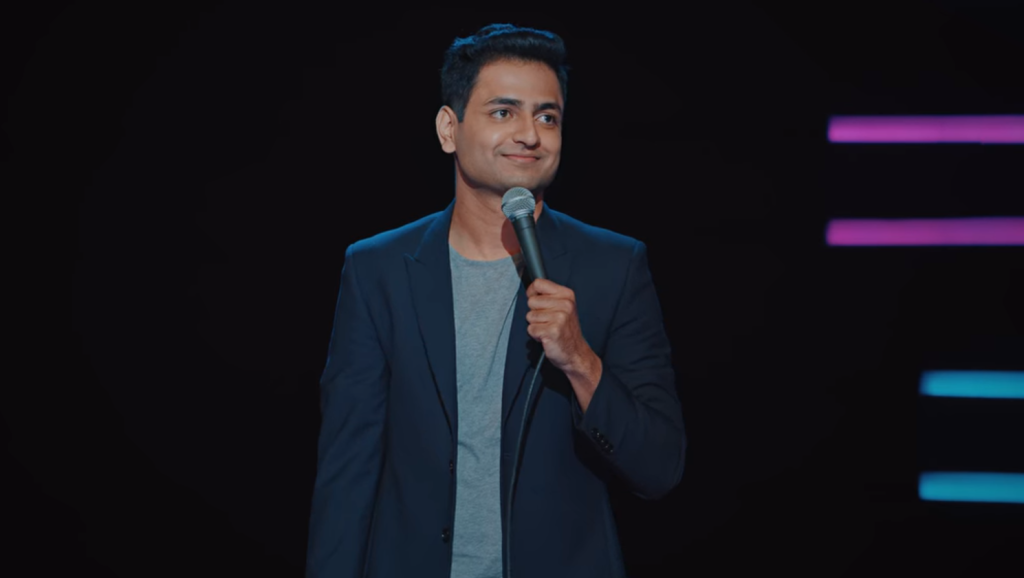
His reasoning, delivered with the musical storytelling that has become his signature, is instructive for corporate event organisers: that a comedian’s primary obligation is to the room, and that political material creates a partition in the room that is fundamentally at odds with shared laughter. It is, in practice, a perfect illustration of the P.U.N.C.H.Y. framework’s Personality Fit principle applied to content rather than style.
For corporate organisers, Kenny Sebastian is one of the most reliable options in this guide, precisely because of his deliberate decision about political material. His warmth, his cross-regional fluency, and his ability to make an entire room laugh at the same thing make him consistently among the most recommended names for large-format corporate events.
|
Corporate Suitability Note: Deliberately avoids political content. Excellent fit for large-format corporate events, family days, and diverse audiences across seniority levels. One of the lowest-risk, highest-reward options in this guide. |
View Kenny Sebastian’s profile on engage4more
Varun Grover — Socio-Political Discomfort Wrapped in Precision
Varun Grover approaches comedy from the perspective of a writer — a lyricist, screenwriter, and public intellectual who has turned stand-up into an extension of a literary practice. His socio-political material asks uncomfortable questions about privilege, power, and the structures that sustain both. The co-creation of Aisi Taisi Democracy, India’s most significant political satire musical, established him as a performer willing to tackle institutional subjects with a depth that most stand-up comedians do not attempt.
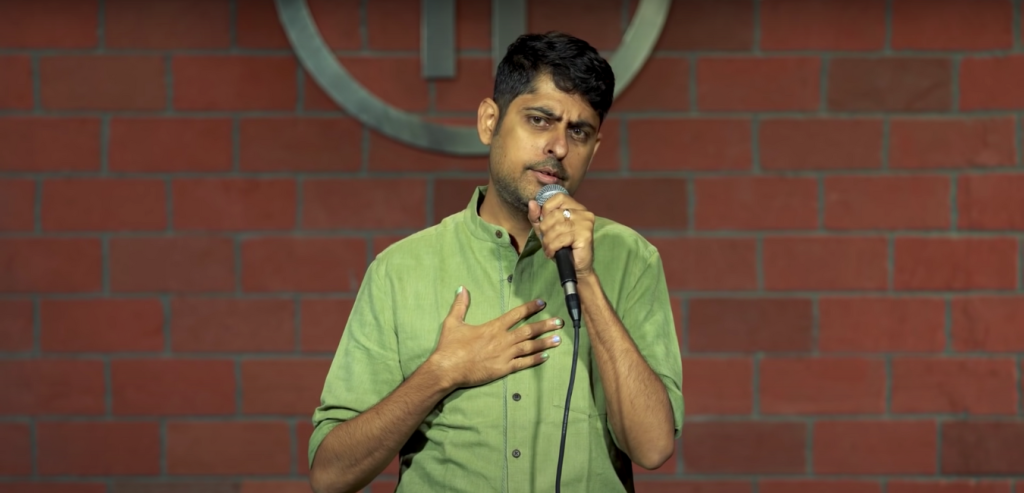
His comedy is cerebral, allusive, and often operates at the edge of what a mainstream audience expects from a stand-up show. This specificity of style makes him a strong option for the right audience and a challenging one for a general corporate crowd.
For corporate organisers, Grover is most appropriate for organisations with a strong culture of critical thinking — media companies, publishing houses, research organisations, and academic institutions. The pre-booking briefing conversation should cover his typical content arc in detail.
|
Corporate Suitability Note: Intellectual socio-political comedy. Best fit: organisations with a culture of critical thinking and audiences comfortable with challenging, literary comedy. Pre-booking consultation recommended. |
View Varun Grover’s profile on engage4more
Agrima Joshua — Opinionated, Female, and Unapologetically Sharp
Agrima Joshua is one of the few comedians in India whose comedy is explicitly about the experience of being an opinionated woman in a society that frequently makes that experience difficult. Her material draws on personal narrative, political observation, and a willingness to address subjects that most comedians sidestep. Her breakthrough video UP is the Texas of India demonstrated a sharp regional and political sensibility that landed immediately with a digitally literate, socially engaged audience.
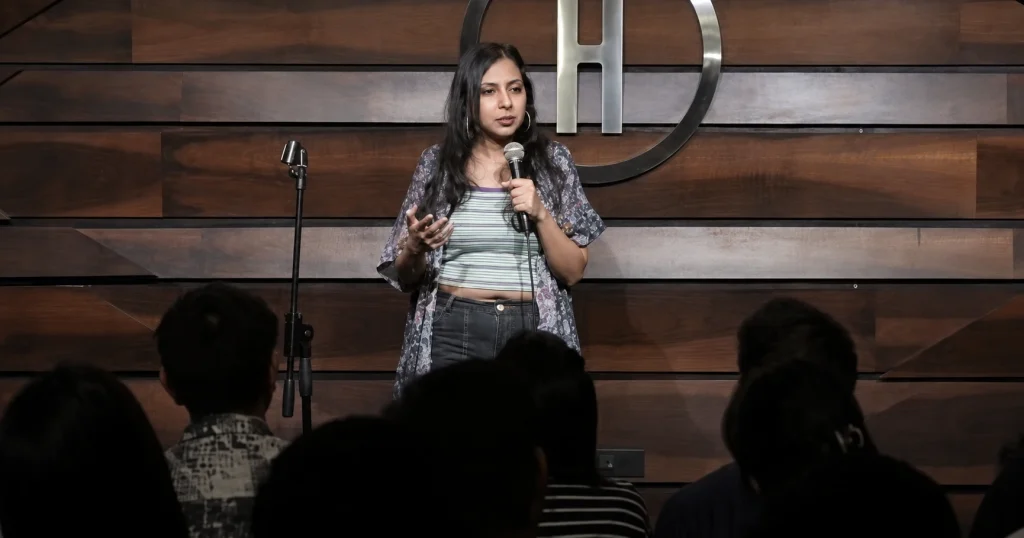
For corporate organisers, Joshua represents a different dimension of political comedy — one that centres gender, identity, and institutional power rather than electoral politics. This makes her simultaneously more accessible to a diverse corporate audience and more specific in the audience it resonates with most deeply.
She is a strong option for organisations celebrating DEI, women’s leadership events, and companies with young, socially conscious workforces where representation in the entertainment lineup is itself a statement.
|
Corporate Suitability Note: Gender and identity-focused political comedy. Excellent fit for DEI events, women’s leadership forums, and organisations with young, socially progressive workforces. |
View Agrima Joshua’s profile on engage4more
Sorabh Pant — Political Wit with Corporate-Grade Craft
Sorabh Pant occupies a unique position in this guide: a comedian who performs political material with the precision and structural discipline of a professional corporate entertainer. His special Make India Great Again — which claims to know nothing while wanting to change everything, takes the hypocrisies of Indian political life as its subject and delivers them with a comic craft that keeps the room laughing rather than arguing.
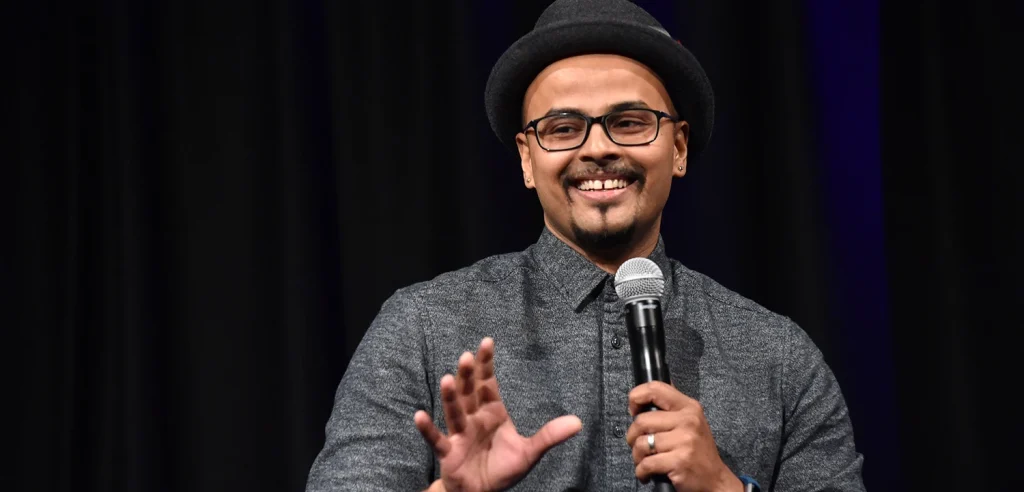
Pant is one of the most experienced corporate performers on the Indian circuit. His political material is observational and absurdist rather than partisan, he is not advocating a position so much as holding positions up to the light and watching what happens. This approach makes his political content significantly more accessible to a mixed corporate audience than the harder-edged political comedy represented by Kamra or Faruqui.
For corporate organisers, Pant offers the rarest combination: political intelligence and corporate-grade reliability. He is a strong option for leadership events, sales kick-offs, and large-format corporate entertainment where the organiser wants content with intellectual sharpness but without the content risk profile of more overtly controversial performers.
|
Corporate Suitability Note: Political comedy with strong corporate track record. Observational rather than partisan. One of the most accessible political comedians for corporate audiences. Suitable for most event types with standard content briefing. |
View Sorabh Pant’s profile on engage4more
Rajneesh Kapoor — Political Roast with a Light Touch
Rajneesh Kapoor has built a career on political comedy that is deliberately non-divisive, his special Politicians ka Roast takes Indian politicians as its subject but delivers the roast in a register that is playful and inclusive rather than sharp and partisan. The Times of India’s recognition of him among India’s top ten comedians reflects both the quality and the broad accessibility of his work.
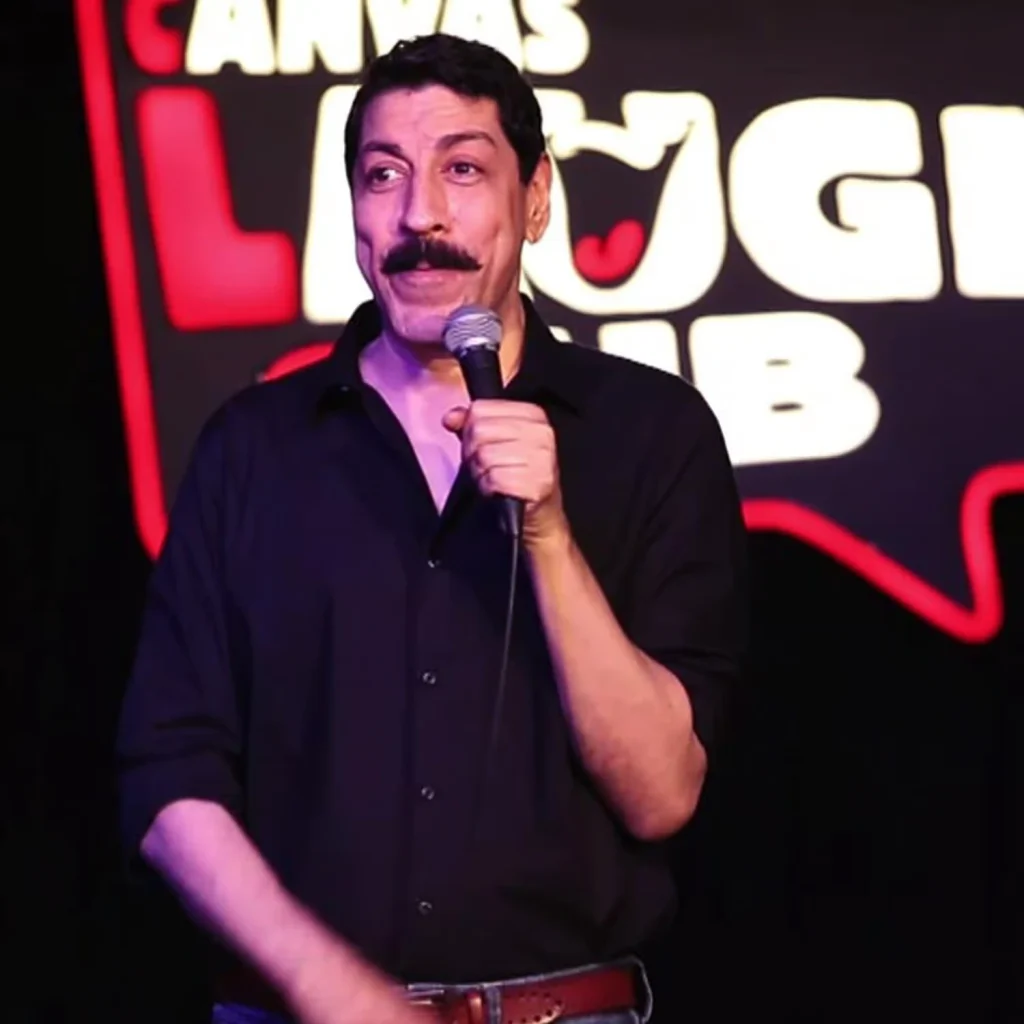
As the founder of comedy group Tongue in Cheek, Kapoor brings a production sensibility to his live shows that reflects years of touring nationally and internationally. His Hasya Kavita-influenced approach, which borrows from the poetic tradition’s rhythm and wordplay, gives his political material a texture that is distinctive in the stand-up circuit.
For corporate organisers, Kapoor is one of the most straightforwardly appropriate political comedians in this guide. His light touch on political subjects means the content risk is low while the entertainment value is high. He is a reliable choice for annual days, large mixed-audience events, and situations where the organiser wants political wit without political controversy.
|
Corporate Suitability Note: Light-touch political roast. Low content risk, high entertainment value. Suitable for most corporate events including large mixed-audience formats. |
View Rajneesh Kapoor’s profile on engage4more
|
Looking for sharp wit without the political controversy? Not every political comedian is the right fit for every room. Share your brief and audience profile with us — we’ll match you with the right voice for your event. No guesswork, no surprises. |
The Hasya Kavi Tradition: Political Commentary in Verse
Hasya Kavita — comic poetry — is one of India’s oldest and most deeply embedded performance traditions. Long before stand-up comedy arrived as a format, Hasya Kavis were filling auditoriums of thousands and using verse to speak truth to power with a wit and a cultural authority that the stand-up form is still building toward.
For corporate event organisers, the Hasya Kavi format offers something the stand-up circuit does not: a performance tradition with deep cultural roots, a multigenerational audience reach, and an artform that the Hindi-speaking corporate workforce recognises and trusts immediately. Browse the full Hasya Kavi roster on engage4more for current availability.
Kumar Vishwas — Political Poet and National Voice
Kumar Vishwas is the most visible figure in contemporary Hasya Kavita, a Ph.D. in Hindi literature, former national political figure, and performer who can hold an audience of thousands in a live kavi sammelan for hours. His show KV Sammelan on Aaj Tak represents the mainstreaming of political Hasya Kavita into broadcast media, and his international performances in the US, Dubai, the UK, Singapore, and Japan signal an audience reach that extends well beyond India.
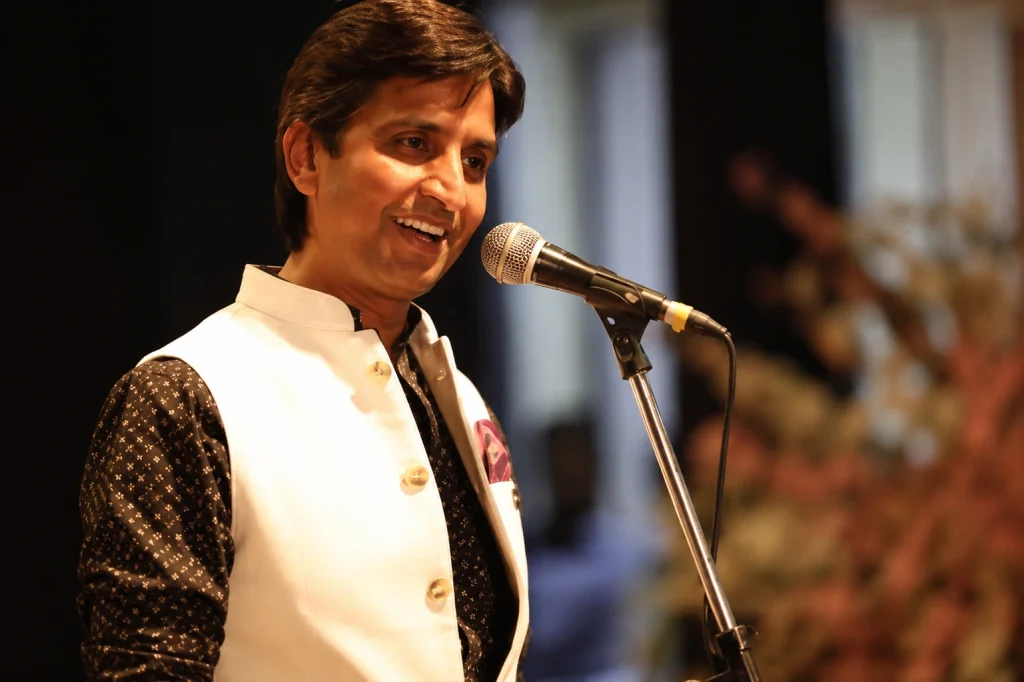
His poetry incorporates topical and political commentary with a lyrical precision that the stand-up form rarely achieves. The musical poetry series Tarpan, which set poems of historical poets against live music, demonstrates the range of what he is capable of beyond the comedy context.
For corporate organisers, Kumar Vishwas is one of the most impactful options for large-format Hindi-language events. He commands a room with a cultural authority that is fundamentally different from stand-up comedy, and his political material operates through verse rather than argument, which typically generates emotional resonance rather than division.
View Kumar Vishwas’s profile on engage4more
Arun Gemini — Haryanvi Wit and Political Verse
Arun Gemini is a Hasya Kavi whose Haryanvi accent and delivery style carry an authenticity that no performer from outside that cultural context can replicate. A winner of the Kaka Hathrasi Award for outstanding contribution to Hindi literature, and a participant in SAB TV’s Wah! Wah! Kya Baat Hai!, his work sits at the intersection of folk tradition and political satire.
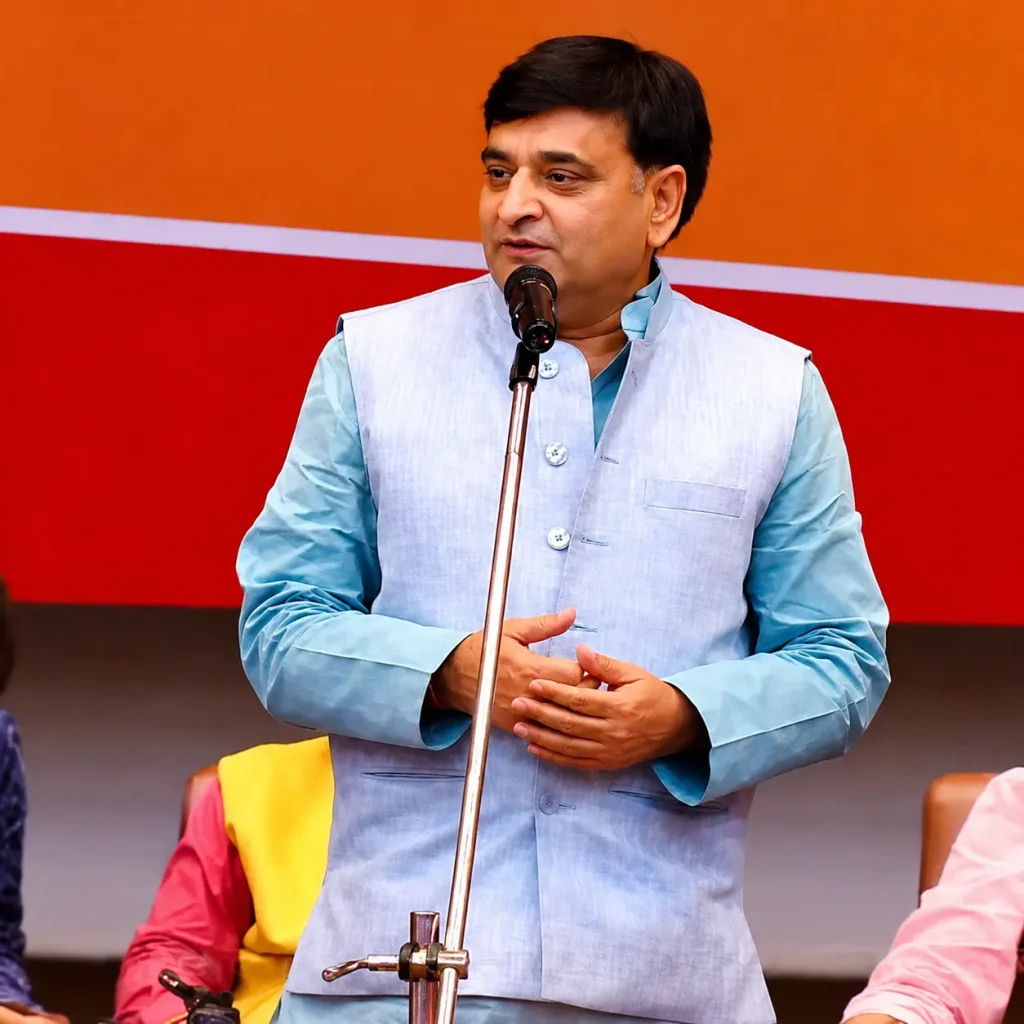
His comedy makes political and social observations through the Hasya Kavita lens, light-hearted in tone, culturally grounded in reference, and deeply felt in its human observations. For corporate events with a Hindi-speaking, North Indian, or regional audience, Gemini delivers a performance that feels culturally specific in a way that broadens the room rather than narrowing it.
View Arun Gemini’s profile on engage4more
Browse the full Hasya Kavi roster: Hasya Kavi comedians on engage4more
Political Comedy and the P.U.N.C.H.Y. Framework: The Assessment
Political comedy is where the P.U.N.C.H.Y. framework earns its keep most visibly. The N pillar, No-Go Zones, is where every political comedy booking decision ultimately rests. But the framework demands that all six pillars are applied, not just one.
|
P.U.N.C.H.Y. Pillar |
What it asks for political comedy |
Why it matters |
|
P — Personality Fit |
Does the comedian’s political identity match the audience’s worldview? |
A political comedian performing to an audience with a different political lens creates a partition, not laughter |
|
U — Unheard Material |
Will the set include fresh material, not previously aired political commentary? |
Previously aired political material is known and may have already generated controversy |
|
N — No-Go Zones |
What political subjects are explicitly off-limits for this audience and organisation? |
The single most important pillar for political comedy. Must be agreed in writing before booking |
|
C — Cost Clarity |
Has the budget been set before shortlisting politically prominent names? |
Celebrity political comedians command significant fees; starting with a name and working backwards creates budget pressure |
|
H — Hook & Flow |
Is the session structured as one unbroken set with no political content interruptions? |
A split set is doubly damaging for political comedy — momentum is harder to rebuild after a content reset |
|
Y — Yes And Rehearsal |
Has a dry run covered not just technical logistics but content review? |
Political comedy requires a content rehearsal in addition to a technical soundcheck |
For the full P.U.N.C.H.Y. framework, including how to apply all six pillars to any comedy booking, read: The P.U.N.C.H.Y. Framework: Blueprint for Comedy That Actually Lands.
How to Use This Guide for Your Next Booking
Every comedian in this guide has a distinct political identity. That identity is their artistic signature — it is not something a briefing call will change or a contract clause will neutralise. The assessment is not about finding the safest comedian; it is about finding the right comedian for the specific room you are programming.
The sequence that consistently produces the best outcomes:
- Start with the audience, not the comedian. Who is in the room, and what is their relationship with political content?
- Map the comedian’s political identity to the P.U.N.C.H.Y. N pillar first. Before any other consideration, determine whether the content direction is one the organisation can stand behind.
- Get leadership alignment in writing before the briefing call. Political comedy bookings that go wrong almost always do so because one stakeholder’s assumption about content was not shared with the others.
- Brief thoroughly and specifically. Share the organisation’s cultural context, not just a list of prohibited topics. The comedian cannot work with a restriction list; they can work with an understanding of the room.
- Include a content review in the Yes And Rehearsal. For political comedy, the dry run must cover material direction, not just technical logistics.
Ready to Shortlist?
Political comedy in a corporate setting is the highest-risk, highest-reward entertainment choice available to an event organiser. When it lands — when the comedian is right, the brief is thorough, and the audience is aligned — it creates a shared moment that a team talks about for years. The artists in this guide represent the range of what that looks like in India today.
With 15 years and over 2,000 comedian bookings across India’s largest organisations, engage4more has executed political comedy events at every level of ambition and complexity. If you know which direction you want to go, we know how to get you there.
Browse all comedians on engage4more
Browse by what matters to your event:
By profile: celebrity popular comedians emerging stars corporate background YouTube stars
By style: clean comedy Hasya Kavi motivational speaking female stand-up
By language: Hindi English regional comedians
By budget: budget-friendly
By city: Bengaluru Mumbai Delhi & NCR Chennai
Frequently Asked Questions (FAQs)
Q: Should I book political stand-up comedians for corporate events?
A: Political stand-up can be high-risk but high-reward entertainment. It is an excellent fit for corporate events if the organization has explicitly aligned on content boundaries, the audience has an appetite for satire, and the comedian’s identity matches the company culture. For the best outcome, always use a structured assessment like the P.U.N.C.H.Y. framework to ensure content alignment before booking.
Q: How do I manage content risk when hiring political comedians?
A: To minimize risk, categorize your political comedian under the “No-Go Zones” (N) pillar of the P.U.N.C.H.Y. framework. Conduct a pre-booking consultation to discuss specific boundaries, ensure leadership has approved the content direction in writing, and include a content review during your “Yes And” rehearsal to ensure the material remains appropriate for your specific corporate environment.
Q: What is the difference between stand-up satire and Hasya Kavi for corporate events?
A: Stand-up comedy typically focuses on modern observations, institutional critique, and personal narrative, making it ideal for younger or digitally engaged audiences. Hasya Kavita—comic poetry—is a traditional, deeply rooted performance art that uses verse to deliver political commentary. Hasya Kavis like Kumar Vishwas offer a unique cultural authority and are often better suited for multigenerational or large-format Hindi-speaking corporate gatherings.
Q: Which political comedians are considered “low-risk” for general corporate audiences?
A: Comedians who focus on observational or light-touch humor rather than aggressive political partisanship are generally considered lower risk. For example, Sorabh Pant and Rajneesh Kapoor are frequently recommended for corporate events because their material is designed to be accessible and inclusive, allowing them to deliver political wit while maintaining a professional environment.
Q: Why should I use the P.U.N.C.H.Y. framework for event planning?
A: The P.U.N.C.H.Y. framework—engage4more’s proprietary operating system—helps you evaluate comedians across six dimensions: Personality Fit, Unheard Material, No-Go Zones, Cost Clarity, Hook & Flow, and “Yes And” Rehearsal. Applying this framework prevents common booking mistakes, such as content mismatches or budget overruns, and ensures the entertainment aligns with your company’s specific cultural context.