

Understanding the Professional Boundary in Speaker Engagements
In my 20 years across the media and entertainment landscape, I’ve sat in on thousands of briefing calls. I’ve seen the good, the bad, and the “glamour-struck.”
There is a common phenomenon in our industry that no one talks about: The client who tries so hard to impress the speaker that they actually sabotage the session.
The “Fanboy” Briefing: A Psychological Trigger
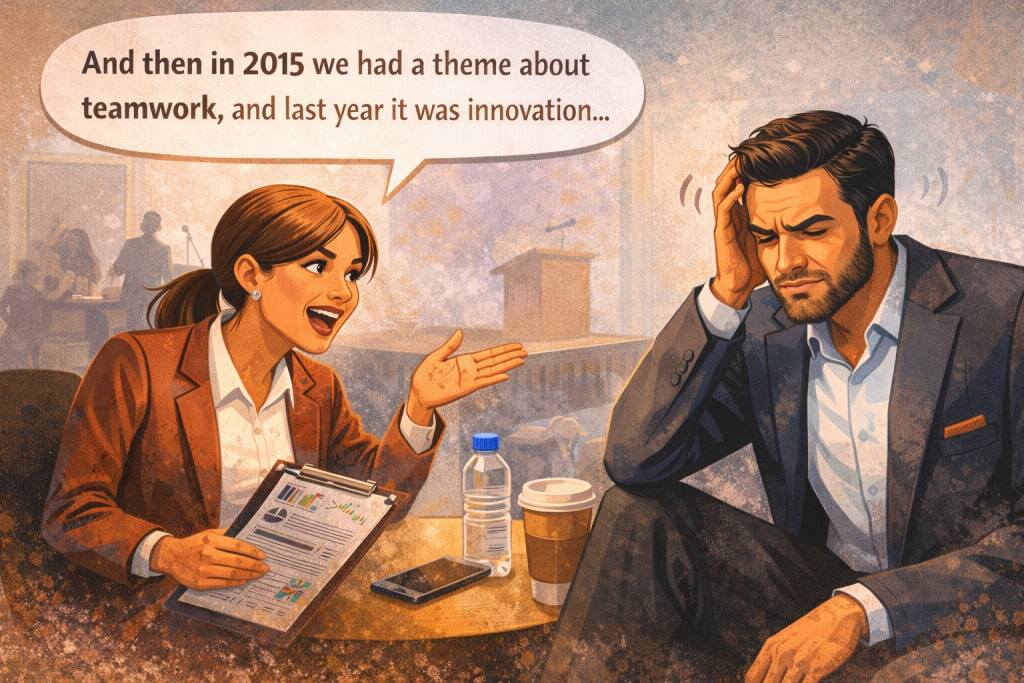
Last week, I witnessed a classic case. A client spent 45 minutes of a 60-minute briefing call deep-diving into the history of their previous themes, their personal admiration for the speaker’s popular work, and trying to display their own “intellectual readiness.”
Here is the hard truth: When you spend the briefing call trying to make friends or impress a celebrity speaker, you aren’t being “thorough”—you are being a “fan.”
While it’s natural for folks in HR, Finance, or Admin to feel the “glamour rub” when speaking to a national icon, this behavior sends a dangerous signal to the talent.
The “Celebrity Shift”: When Professionals Become “Divas”
At engage4more, we pride ourselves on managing speakers who stay grounded. We expect them to show up on time, do their sound checks, and respect the car and hotel protocols.

However, I’ve noticed a pattern. When a speaker senses that the client is “star-struck,” the professional dynamic shifts. The speaker subconsciously starts acting like a “bigger” celebrity.
- They might take photos or videos of the event and post them without permission.
- They might start adding personal friends to the F&B billing at the hotel.
- They might use the provided transport for personal errands across the city.
Why? Because the client, by seeking to impress, has essentially told the speaker: “You are bigger than the rules of this engagement.”
My Recommendation: Keep it Functional, Keep it Chill

To ensure you get the best out of your investment, I strongly suggest a “Functional Approach”:
- Skip the History Lesson: The speaker needs to know your current pain points and future goals. They don’t need to know how much you loved their 2015 TED talk.
- Maintain Professional Distance: You are a partner, not a fan. A functional, respectful distance ensures the speaker stays focused on the brief, not their ego.
- The “Brief” is the Boss: If you spend the call talking about yourself, the speaker won’t have the data they need to land their message.
The Bottom Line
Whether I’m hosting an episode of The Good Gobar Show or curating a keynote for a Fortune 500 company, the rule remains the same: Respect the craft, not just the celebrity.
If you want your speaker to be a professional, you must be a professional client first. Take a chill, stick to the brief, and let the agency handle the “stature.”
Conclusion
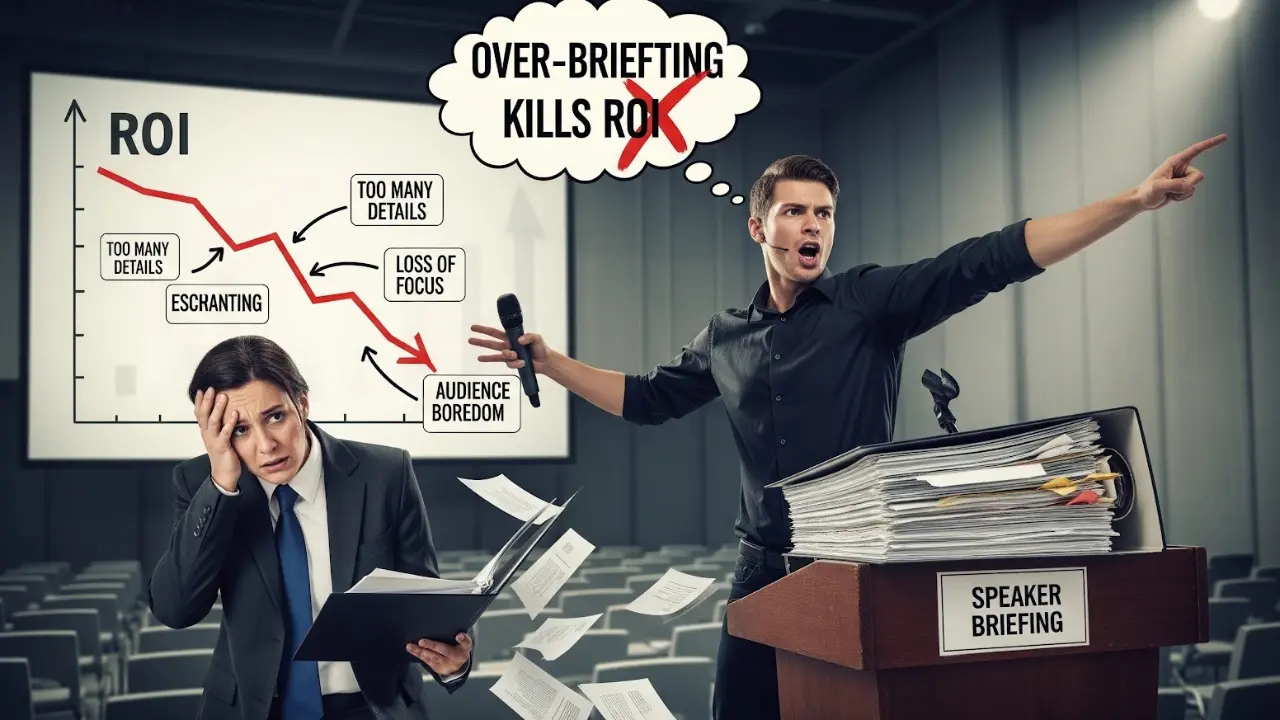
In the pursuit of a flawless event, many organisers forget that clarity always beats chemistry. The moment a briefing turns into admiration, focus is lost. Over briefing motivational speaker engagements doesn’t improve alignment—it often triggers distraction, ego shifts, and a breakdown of professional boundaries.

A high-impact keynote is not built on excessive background stories or fan-like behaviour, but on relevance, context, and clear business objectives. When clients avoid over briefing motivational speaker sessions and stick to what truly matters—audience profile, outcomes, and constraints—speakers show up grounded, prepared, and value-driven.
If ROI is the goal, keep the briefing crisp and functional. Respect the craft, trust the process, and let professionals play their roles. That’s how events move from memorable to meaningful.
Ready to book a speaker who stays focused on your ROI? Explore our curated list of professional Motivational Speakers.
About the Author
Nishant Parashar, Founder of engage4more and host of the Good Gobar Show, lives and breathes content. From conversations to concepts, he brings industry insight, real-world experience, and authenticity to every piece he writes.