




How restraint, mood, and storytelling made Shashwat Sachdev’s music in Dhurandhar stand out

At a time when film music is designed to trend before the film even releases, Dhurandhar took a risk-it let its music unfold slowly. No attention-grabbing anthems. No emotional shortcuts. Just sound that served the story. (Image courtesy: indianexpress)
That decision put Shashwat Sachdev right in the middle of the most striking sequences of the film. Usually invisible behind several flashier names, his contribution for Dhurandhar is now being appreciated for precisely what it is-music that doesn’t seek attention, but demands it.
How Dhurandhar uses music as storytelling, not decoration
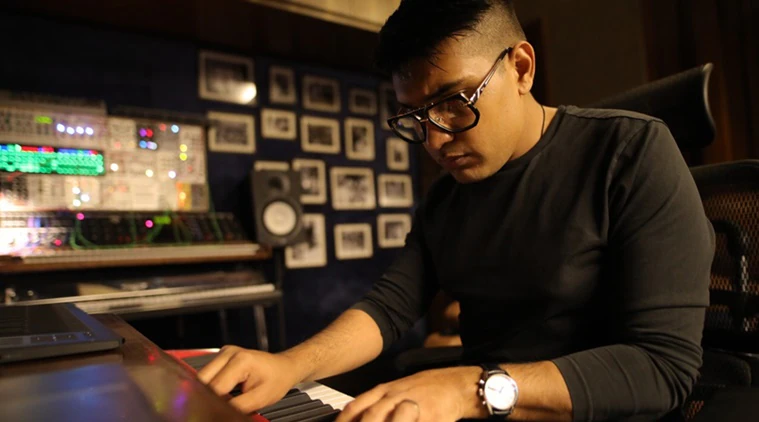
As for the music in Dhurandhar, it does not exist to announce its own presence; it exists merely to hold the film together. (Image courtesy: indianexpress)
When Background Score Becomes Emotional Dialogue
There are stretches where the score works like a second layer of dialogue, shaping tension, amplifying unease, and sometimes doing the heavy lifting when words step aside. It is the kind of composition that reveals its power in retrospect, in the fashion whereby many viewers have come to realise how much of what they felt came from the sound rather than the scene alone.
Shashwat Sachdev’s Musical Philosophy: Mood over Moment

This doesn’t happen by accident. Shashwat Sachdev has always been drawn to music that’s mood-driven, emotionally intelligent. (Image courtesy: ytimg)
Why Restraint Sets His Compositions Apart
Rarely do his pieces vie for instant gratification. Instead, they tend to build atmosphere, allowing feelings to accumulate slowly. In an industry that often rewards loudness, this restraint has meant his work didn’t always get immediate applause. Yet again, it has meant that his music ages well – and Dhurandhar is proof of that philosophy paying off.
Why Dhurandhar Changed the Game for Shashwat Sachdev
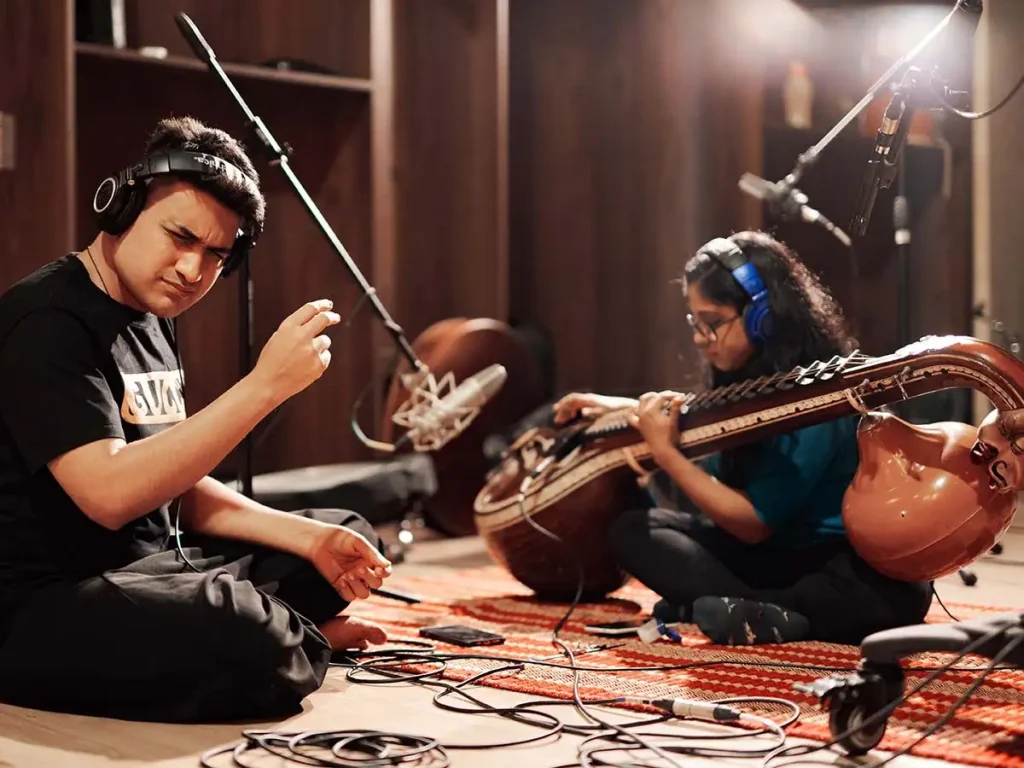
The 34-year-old musician admits that this moment feels less like a sudden breakthrough and more like overdue recognition. (Image courtesy: filmfare)
Dhurandhar Allowed the Music to Breathe
Much of his earlier work was only ever appreciated in fragments – a song here, a background score there – without the larger conversation that it deserved. Dhurandhar changed that because it gave space to his sensibility in full. The film didn’t need spectacle from its music; it needed honesty. And that allowed his strengths to come into sharp focus.
Why Today’s Listeners Are Ready for This Sound

Audiences are now more open to music that serves the cause of telling a story rather than hijacking it. And with OTT platforms, long-form narratives, and slower patterns of consumption, listeners opened themselves once again to soundscapes that feel immersive rather than intrusive. Shashwat’s music fits naturally into this moment. (Image courtesy: filmfare)
From Screen to Stage: Why Shashwat Sachdev’s Music Works Live
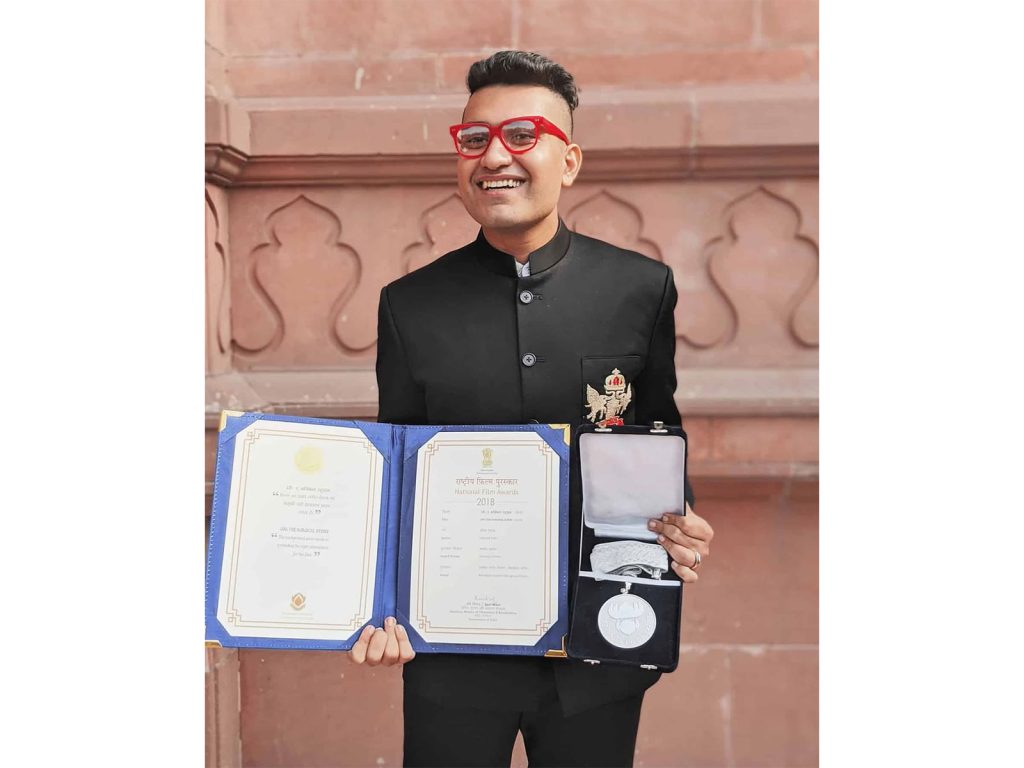
This is also why his work now has begun resonating outside of the screen. (Image courtesy: cloudfront)
Setting the Atmosphere During Live Performances
Music like this isn’t confined to cinema halls or headphones. It translates beautifully into live experiences-where mood, pacing, and emotional arcs matter more than volume or familiarity. A Shashwat Sachdev performance is not about chart-toppers; it’s about building an atmosphere that unfolds over time.
Why Event Curators Are Paying Attention Now
For live events, festivals, and curated cultural evenings, that makes all the difference.
Experience-Based Music for the Contemporary Listener
Audiences are drawn to experiences that feel very purposeful and immersive. Shashwat’s compositions allow space for reflection, tension, and release-maybe even making them ideal for live formats that value telling a story through sound.
Dhurandhar and the Case for Quiet Impact
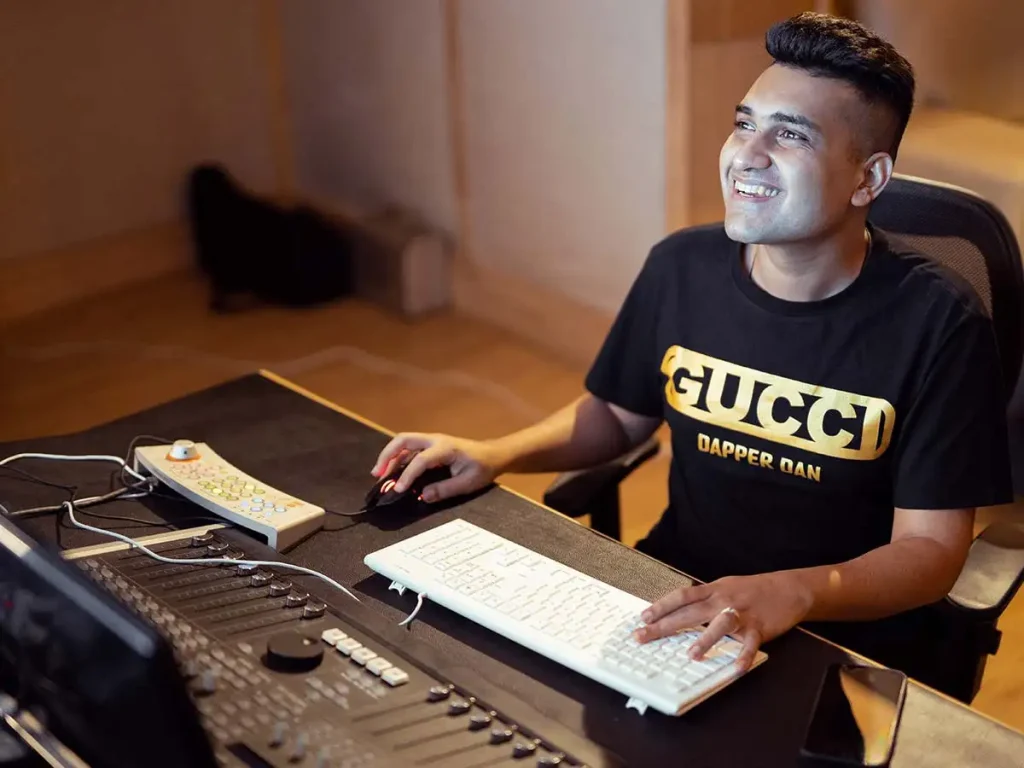
The appreciation of Dhurandhar‘s music points at something significant. It suggests there is room, and demand, for composers who believe in depth over immediacy. The journey of Shashwat Sachdev tells us that not all impact is immediate and not all success comes with noise. With Dhurandhar, that moment has arrived. And as conversations around his music grow, it’s clear that this is not just about one film or one soundtrack. It’s about a composer whose work is finally being heard in full: on screen, on stage, and in the spaces where music is meant to be felt, not rushed. (Image courtesy: filmfare)
To bring such transformational voices to your stage, like Prateek Kuhad, Euphoria, Lucky Ali, and many more on women’s cricket team, book through engage4more—India’s top platform for keynote speakers and talent. With over 2,500 artists, pacy bookings, and free event publicity, engage4more makes inspiration accessible, unforgettable, and meaningful. Also, enjoy our value adds like complimentary quizzing for your events along with free publicity by our post-event coverage via our social media handles!