





The bestselling author and keynote speaker shares his views on the Sino-Indian conflict post-Covid
The Covid-19 pandemic affected China and India in different ways. Beijing was placed on the defensive due to the fact that the virus originated in Wuhan and authorities in China did not inform the outside world about the outbreak during the early phases, which could have helped to contain its spread. That defensive posture governed Beijing’s approach during the two years that followed — including the belligerence shown towards Taiwan and the border clash with India, the drive to defeat the virus through the “zero Covid” approach, and the attempts to influence the rulings of international bodies including the World Health Organisation.
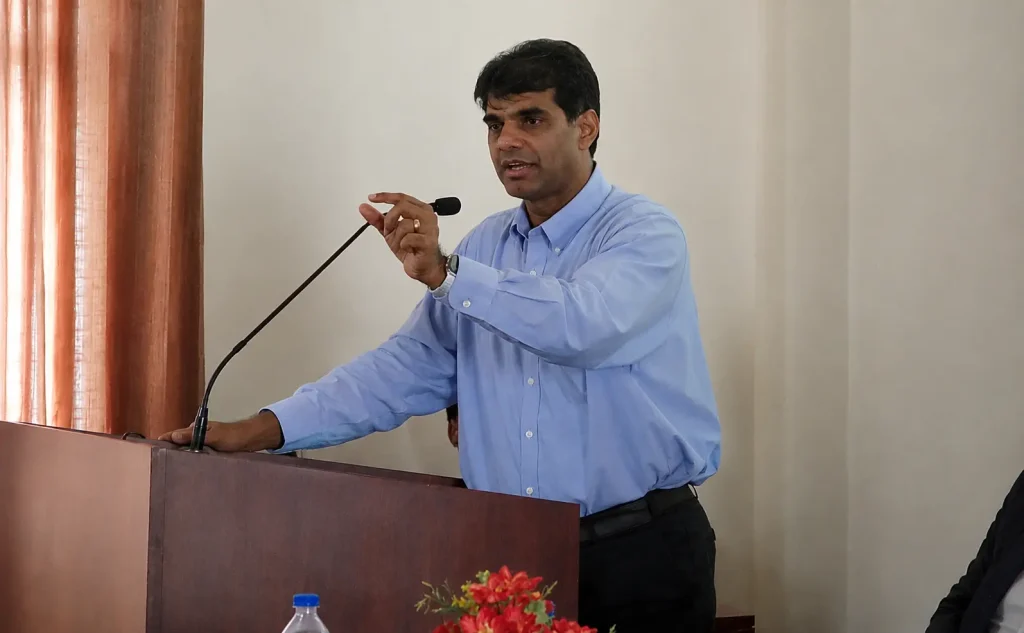
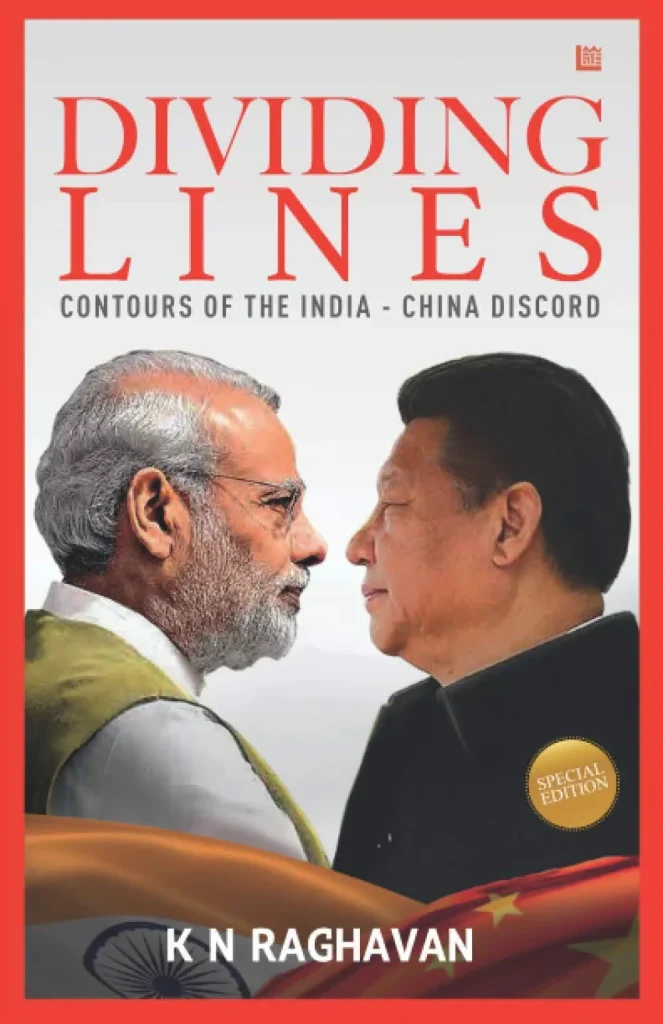
Dr. K.N. Raghavan is a former IPS officer who held senior Government of India postings including Commissioner of Customs, Cochin. He is the author of Dividing Lines — widely recognised as one of the most thoroughly researched and unbiased works on Sino-Indian conflict. He is also an international cricket umpire, a TEDx speaker, and a marathon runner. He is available to speak on geopolitics and international relations through engage4more — contact us to enquire
India, on the other hand, came out of the pandemic and the period of lockdowns with minimum casualties. There was some criticism about the abruptness with which the first round of lockdown was brought into effect, and the deaths around the national capital area created concerns during the second wave. But overall, India managed the crisis with relative poise and emerged without serious long-term damage.

Managing economic growth and tensions at the border
The biggest casualty during this period was the collapse of the measures initiated during the Deng Xiaoping era to shift the focus of bilateral relations from the disputed border to the conduct of trade and commerce. This approach had yielded good results until 2008, when China began sending patrol parties deeper into disputed territories along the border, resulting in face-offs between the forces of both countries.
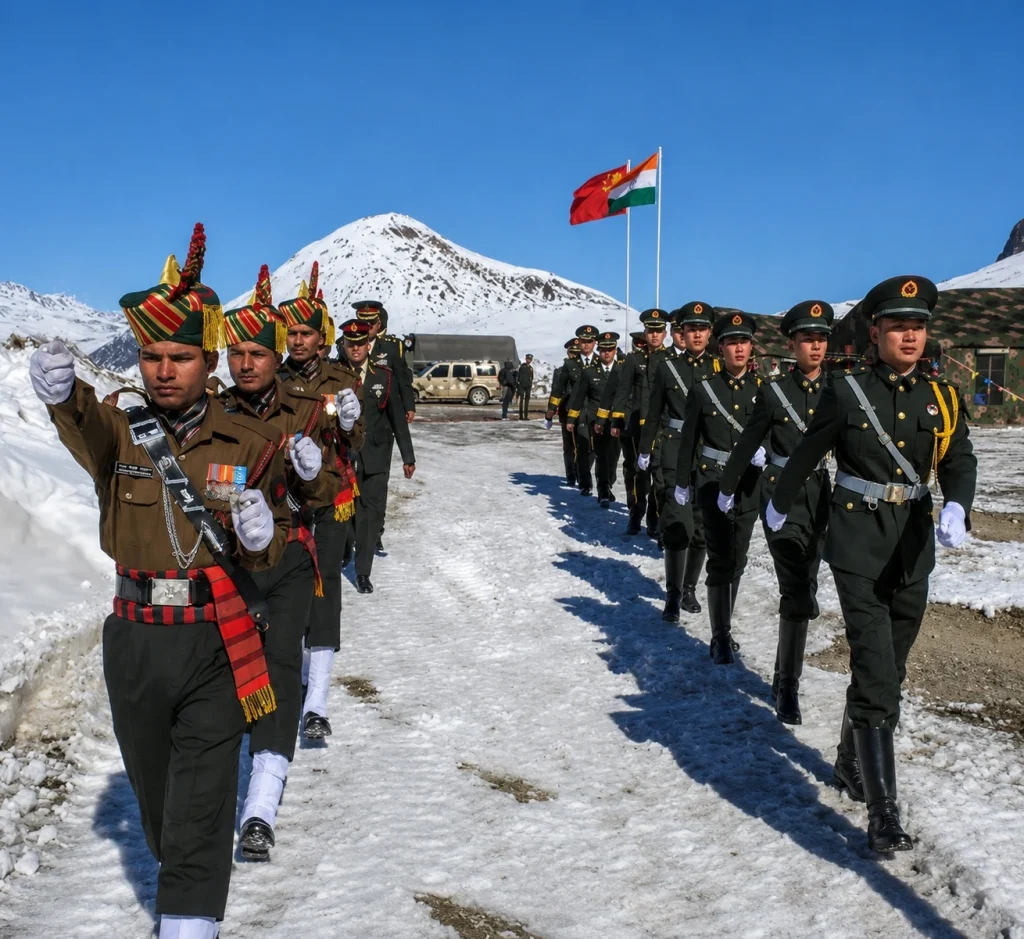
The clash at Galwan in June 2020, which resulted in the death of soldiers on both sides, was the culmination of those escalating tensions. It was the first time since 1967 that lives were lost in a border confrontation between the two countries, and the ensuing outrage in India ensured that any stabilisation of relations would require considerable time and political effort. The border has remained quiet since, but Beijing’s dispatch of the vessel Yuan Wang 5 to the Sri Lankan port of Hambantota — despite India voicing its concerns to the Sri Lankan government — shows that Beijing is determined to keep pressure on its southern neighbour. The response of the Narendra Modi-led government has been firm and consistent: India has neither yielded ground nor shown panic in the face of Chinese actions.

Both countries faced significant challenges in managing economic growth during 2020, with China recording 2.24% growth and India contracting by 6.6%. China recovered quickly from the first wave and restored economic momentum at speed. Both countries showed strong recovery in 2021, with India recording 8.9% growth and China 8.1%. At the time of writing in 2022, China was projected to grow at 5.5% and India at 8%. The full impact of Xi Jinping’s zero-Covid strategy — and the prolonged lockdowns in Shanghai and Beijing — on those projections had not yet been fully estimated.
The strained bilateral trade relationship
The economic picture is reflected in the bilateral trade figures published by both countries. According to Beijing, trade between the two countries grew by 44% in 2021 to reach USD 125 billion, making China the largest trading partner of India. India disputed these figures, claiming that trade with China amounted to USD 115.42 billion. Delhi also announced that the United States had replaced China as India’s largest trading partner, with total trade of USD 119.42 billion.
India’s dependence on China for manufactured goods continues unabated, as seen in imports worth almost USD 95 billion from China. However, Indian exports to China have remained static at USD 18–20 billion over the preceding three years. India’s broader export success during 2021–22 — when total exports crossed USD 400 billion for the first time — has effectively left China aside as a growth market for Indian goods.

The pandemic and its management have adversely affected China’s global image, and many companies have begun pursuing a “China plus one” strategy — looking at manufacturing bases outside China rather than concentrating all production there. If this is pursued seriously by multinationals currently concentrated in China, significant investment opportunities will arise in South-East Asia and India. The coming years could also see the Chinese economy face stress from slower growth and poorly performing assets in various parts of the world — which makes the maintenance of hostile relations with a neighbour who also represents one of the largest consumer markets in the world increasingly poor strategic calculus.
What is the way out of this impasse?

Friendly relations between two countries are only possible if both parties seek them and move toward that goal. In this case, the greater onus lies on China — as the larger state with greater military and financial resources — to extend the welcoming hand. China should pause and consider whether, in the long run, it gains more from supporting Pakistan, a state that is constantly teetering on the brink of institutional collapse, or from working with India, a market that is large, growing, and home to a middle class with an expanding appetite for manufactured goods.
India, for its part, should remain attentive to the concerns China carries about India’s deepening alignment with the United States. China should, in turn, understand and acknowledge India’s legitimate aspirations as a significant global player and the dominant regional power in South Asia. Both countries should recognise that the investment opportunities, employment generation, and growth potential that genuine cooperation offers are too compelling to be sacrificed over a border dispute involving territory that has never been formally delineated or demarcated.
Both nations should choose commerce over confrontation. The dividends of doing so — financial, diplomatic, and human — are substantial. The cost of the alternative is being paid, quietly, by both sides already.
To book Dr. K.N. Raghavan for your next event: Contact engage4more directly at activities@engage4more.com or +91-8044186906. We will confirm availability and provide a transparent fee proposal within 3 hours. Browse other author and thought-leader speakers: If you are looking for a speaker with a published book and deep domain expertise, browse the full roster on our author speakers page.
Frequently asked questions
How did Covid-19 affect India-China bilateral relations?
The pandemic had two parallel effects. First, it placed China on the diplomatic defensive because the virus originated in Wuhan and Beijing did not promptly notify the international community — damaging its global credibility at a sensitive moment. Second, the pandemic period coincided with the Galwan clash of June 2020, in which soldiers died on both sides for the first time since 1967, significantly hardening Indian public opinion toward China. Trade relations grew (reaching USD 115–125 billion in 2021 by various measures) but the political and security relationship deteriorated substantially during this period.
What is the significance of the Galwan clash for the India-China relationship?
The Galwan Valley clash of June 2020 was the first fatal confrontation between Indian and Chinese border forces since 1967. Its significance was less military than political: it broke a pattern of face-offs without fatalities that had held for over five decades, and the resulting outrage in India meant that any diplomatic normalisation would require substantial time and political capital. The clash is widely seen as the end of the post-Deng Xiaoping consensus that economic engagement could be kept separate from border disputes — a framework that had governed bilateral relations since the 1980s.
Who is Dr. K.N. Raghavan and what does he speak about?
Dr. K.N. Raghavan is a former IPS officer and the author of Dividing Lines, widely recognised as one of the most thoroughly researched and unbiased works on Sino-Indian conflict. He has held senior Government of India postings including Commissioner of Customs, Cochin, and brings both policy experience and historical research to his public analysis. He speaks at corporate and leadership events on geopolitical risk, India-China relations, India’s foreign policy trajectory, and the post-pandemic multilateral order. He is available to book through engage4more — contact activities@engage4more.com or +91-8044186906.