







Dive into the world of great stories, and unlock the secrets of compelling a story that can inspire change and create lasting impact
To bring this “Narrative Intensity” to your stage without the generic fluff, visit our Master Hub for Motivational Speakers. But if you are seeking only storytellers, you must check out our Roster of Best Storytellers.
In 2026, corporate audiences are fatigued by generic inspiration. They demand Strategic Proof. A narrative is no longer just a “tale”—it is a structural blueprint for problem-solving. We prioritize practitioners who use narrative to turn market noise into operational execution.
We all have a story to tell and if we look around us, everything comes with a story. The world’s greatest storytellers have used their experiences, observations and molded them into stories we can learn from. Whether it’s the story of a famous historical figure, a funny anecdote from your childhood or a little-known event that had a significant impact. Anything and everything which resonates with the audience and has a meaningful message can be a great story.


History has proven time and again, that inspiration can change the trajectory of a person’s life. It can turn any circumstance into an advantage and later even success. One of the foremost ways to get true inspiration is through stories which connect with you in a meaningful way. So people all around the world use storytelling as a powerful tool for engaging and inspiring audiences.
When Words Fail, Stories Speak


“Storytelling is the most powerful way to put ideas into the world today”
-Robert McAfee
It’s hard to believe, but Walt Disney the brilliant mind who brought us beloved characters such as Mickey Mouse, Donald Duck, and Pluto was once dismissed as lacking creativity and artistic talent. Despite being shut down by newspaper companies who rejected his cartoon pitches. Claiming he had no artistic integrity, Disney refused to give up. He persisted in pitching his ideas, determined to bring his vision to life and now his stories are everywhere.


Stories have the power to captivate our attention and evoke emotions in a way that raw data or information simply cannot. When we hear a story, we are more likely to remember the message and be inspired to take action. In fact, studies have shown that people are 22 times more likely to remember a story than a fact alone. This is why storytelling is such a valuable tool for anyone looking to communicate effectively and engage the audience. To tell a great story, it is crucial to keep a few things in mind, and in this blog we are sharing some charming tips to help you get started.
How to Craft a Compelling Story
Here are a few ingredients of crafting a story which have worked for centuries and can help the upcoming storytellers create a difference-
1. Get to the heart of the story’s raison d’être!
Jesus Christ will forever be the Son of God in flesh and the savior that God promised to the world. From the day he was born, his purpose was to die for the sins of the world and to establish his sacrifice as an offering for sin.


The importance of finding a purpose behind storytelling cannot be overstated. By understanding why we are telling a particular story, we can better communicate our message and connect with our audience on a deeper level. A purpose-driven story can inspire change, spark empathy, and create a lasting impact. It’s important that the purpose of the story is established, so that you can structure it accordingly.
2. Characters: The Oxygen of a Story’s Life
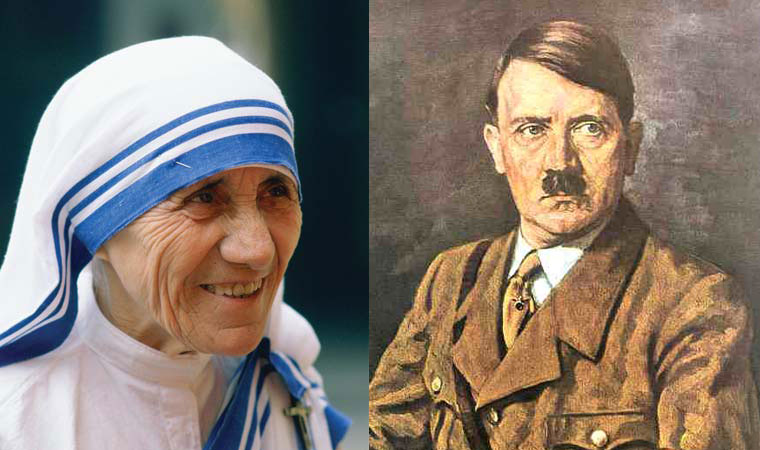
Adolf Hitler, without question, will forever be remembered as the ultimate villain throughout history. As the leader of Nazi Germany, he orchestrated both World War II and the Holocaust which ended up taking millions of lives. Mother Teresa’s story on the other hand makes a positive impact on community which is incredibly inspiring and can motivate people to take action. These are all character who played their roles and ended up becoming the stories we hear today and learn from.

“The more successful the villain, the more successful the picture“
– Alfred Hitchcock
A great story without memorable characters is like a song without a melody. Characters are the lifeblood of any story. They breathe life into the narrative, providing the reader or viewer with someone to root for, empathize with, or even despise. A strong character can capture the imagination and become a memorable figure in a reader’s mind.


3. Embed Empathy
Nike for many years has set the bar high when it comes to storytelling. The company’s ability to weave compelling narratives around its brand has enabled it to connect with customers on a deep emotional level and build a loyal fan base.


Stories that evoke strong emotions are more likely to be remembered and inspire action. Whether it’s a heartwarming story or one that elicits anger or sadness, tapping into your audience’s emotions will help you connect with them on a deeper level.
4. Create a Structure that keeps your audience hooked


Mahabharata has complex characters and an intricate plot but with creativity and the right structuring, it has our hearts. It shows how being creative with the structure, plays an important role in storytelling.
Here are the three C’s of elevating your story’s structure:
Conflict
Not many know but Steve Jobs’ relationship with Apple was a tumultuous one, marked by conflict and controversy. After co-founding the company, Jobs was forced out after a power struggle with the board of directors. He returned to Apple in 1997 and led the company to unprecedented success with the introduction of the iPod, iPhone, and iPad.


Conflict is the backbone of any compelling story. It creates tension, drives the plot, and keeps the audience engaged. It can come in many forms, such as external conflicts between characters or internal conflicts within a character’s own psyche.
Take Joker for example, the character exhibits both extreme acts of violence and moments of profound insight, suggesting a complex mix of intelligence, creativity, and mental illness.
Curiosity


“Katappa ne bahubali ko kyu mara?”
– Baahubali: The Beginning
How can be forget the biggest mystery of 2015, that took us all on a rollercoaster ride. Rajamouli’s Bahubali: The Beginning, was a game-changer for Indian cinema in many ways. One of its standout features was its curious storytelling, which kept the audience engaged and curious throughout the film
A curious writer can create richly detailed characters and settings, while a curious reader can engage with the story on a deeper level, asking questions and seeking out meaning. There’s no doubt that without curiosity, Sherlock Holmes would not be the iconic detective we know today.
Climax


Avengers: Endgame, delivered a grand finale like no other. It’s climax was a testament to the power of storytelling, and a fitting end to an incredible saga.
Climax provides a sense of resolution and closure, tying up loose ends and answering questions raised earlier in the plot. A well-crafted climax can elevate a story from good to unforgettable.
The 2026 Narrative Practitioners
Here are some of our top-notch narrative practitioners who understand how a story is built.
1. Nishant Parashar


Who: Founder of engage4more and host of Good Gobar Show, Nishant has spent 15+ years scouting the “gold” in India’s corporate storytelling landscape.
Strategy: “The Gobar-to-Gold Filter” – Stripping away corporate jargon to find the raw execution truth.
Value: Teaches teams how to build Absolute Ownership by owning their failures as much as their wins.
2. Anand Neelakantan


Who: A prolific author known for telling stories from the “other” perspective (e.g., Asura), challenging traditional hero-myths.
Strategy: “Perspective Shifting” – Re-framing organizational challenges from the viewpoint of the “disruptor”.
Value: Provides a roadmap for Strategic Empathy and multi-dimensional problem solving.
3. Prakash Iyer

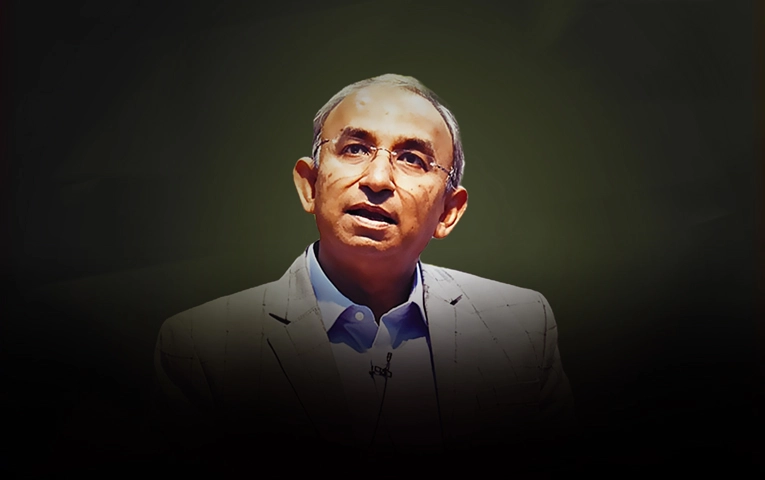
Who: Former CEO and best-selling author who specializes in translating sports and life metaphors into corporate leadership lessons.
Strategy: “Metaphorical Alignment” – Using pacy, relatable anecdotes to drive team synergy.
Value: Delivers Strategic Proof of how small behavioural shifts lead to massive performance gains.
4. Devdutt Pattanaik

Who: A renowned mythologist who bridges the gap between ancient Indian wisdom and modern management.
Strategy: “Cultural Archetyping” – Using timeless myths to explain modern corporate hierarchy and ethics.
Value: Offers a blueprint for Institutional Stability through deep cultural understanding.
5. Zoya Akhtar


Who: A leading filmmaker whose narratives (e.g., Zindagi Na Milegi Dobara) master the art of ensemble dynamics and vulnerability.
Strategy: “Emotional Precision” – Crafting pacy narratives that resonate with the “unmasked” human experience.
Value: Teaches the art of Authentic Engagement and building psychological safety within a group.
6. Chetan Bhagat

Who: A best-selling author and columnist who has mastered the art of “relatable storytelling” for the Indian masses.
Strategy: “Scalable Simplicity” – Using accessible language to drive complex social and professional changes.
Value: A roadmap for High-Impact Communication that cuts through the noise of 2026’s digital “gobar”.


In conclusion, mastering the art of storytelling requires a combination of creativity, practice, and knowledge of various techniques.
In 2026, corporate resilience isn’t found in a rehearsed slide deck; it is built through Absolute Ownership of the unscripted truth. While many organizations settle for the “mundane” noise of generic inspiration, the true Strategic Scouts look deeper. They understand that the most valuable leadership lessons—the “Gold”—are often hidden within the messiest professional challenges, or what we call the “Gobar”.
This philosophy of unmasked authenticity is the heartbeat of Good Gobar Show, hosted by Nishant Parashar. By capturing the “Virgin Stories” of world-class practitioners, the show provides a blueprint for turning raw failure into pacy, actionable execution. Whether you are listening to a global icon or a rising disruptor, the goal remains the same: to strip away the corporate mask and reveal the Strategic Proof required to lead with authority. At engage4more, with our 5000+ artists, we don’t just book names; we curate narratives with our STRIVE framework that drive institutional change. As you architect your next corporate milestone, ask yourself: Is your team’s story providing a roadmap for growth, or is it just more noise?
FAQs
Q1: What is Narrative Architecture and how does it differ from storytelling?
A: In the 2026 corporate landscape, storytelling is often seen as generic inspiration, whereas Narrative Architecture is the structural use of a story to provide a clear execution roadmap. It focuses on Strategic Proof and Absolute Ownership, ensuring that every narrative element drives a specific organizational goal or behavioral shift.
Q2: How can leaders use “Virgin Stories” to build trust?
A: A “Virgin Story” is a raw, unscripted, and unmasked account of a professional failure or pivot. By sharing these authentic experiences, practitioners build Absolute Trust with their teams. It proves that their success is built on resilience and “pacy” execution rather than just corporate luck, making their leadership more relatable and authoritative.
Q3: Why is the STRIVE framework essential for vetting narrative practitioners?
A: The STRIVE framework—focusing on Strategic Proof, Trust, Resilience, Intensity, Value, and Execution—filters out “gobar” (noise). It ensures that any practitioner brought into a corporate setting provides a tangible blueprint for growth rather than just empty motivational talk.
Q4: How do universal archetypes (like Narasimha or The Joker) apply to business?
A: Archetypes act as psychological shortcuts. By using recognizable structures of conflict and resolution found in mythology or cinema, a leader can explain complex institutional changes in a way that resonates instantly with a diverse workforce, ensuring high retention and alignment.
Q5: How can I book a vetted Narrative Architect for my next event?
A: You can find and book vetted global and Indian practitioners who specialize in narrative architecture through the engage4more passionate team. Visit our Master Hub for Keynote Practitioners to discover talent that has been audited for Strategic Proof and professional impact.