



Beyond Representation: Female Resilience Experts Delivering Tangible Roadmaps for International Women’s Day
There is a particular kind of resilience that cannot be manufactured. It is not the resilience of someone who read about hardship and distilled it into seven slides. It is the resilience of someone who was in the room when everything went wrong — and stayed.
The women below are available to speak at your corporate event. If one of their stories resonates with your team’s current challenge, browse verified availability and pricing on our women motivational speakers page. Every speaker has been STRIVE-vetted by engage4more before being recommended to a client.
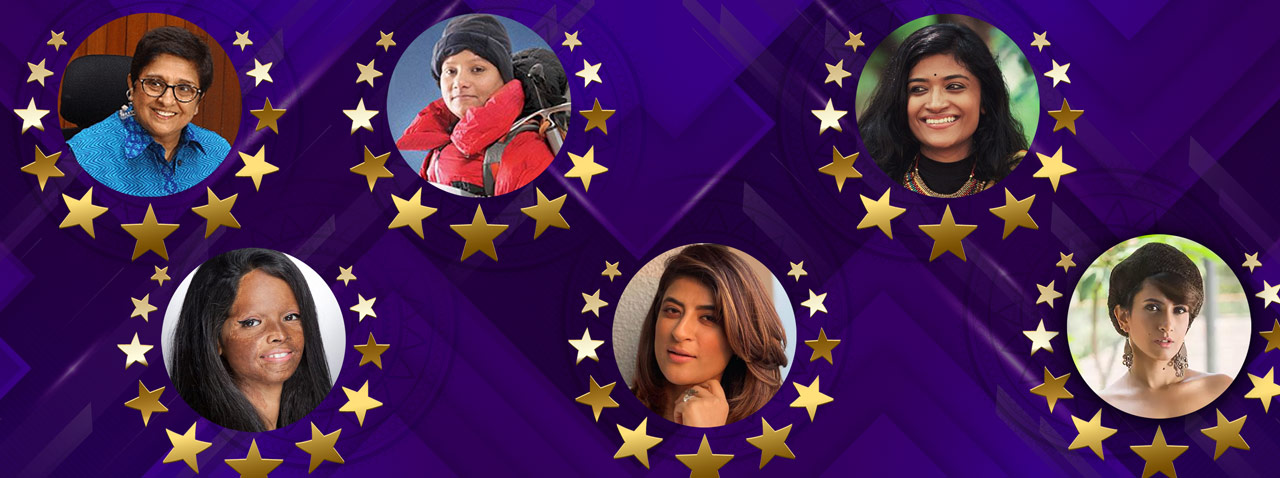
India has produced, in disproportionate number, women whose lives broke in spectacular and specific ways: an acid attack at 15, a cancer diagnosis during a company’s founding year, a leg lost to a bacterial infection in the thirties, a body thrown from a moving train. These are not metaphors. They are the literal conditions under which 10 Indian women built careers, companies, artistic legacies, and athletic records.
At engage4more, we have placed several of these voices on corporate stages over 15 years. What we have consistently observed is that these stories do not just inspire an audience — they recalibrate what the audience considers a real problem. That recalibration is, in itself, a leadership intervention.
Below are 10 of those stories, grouped by the type of recalibration they produce in a corporate room.
When the body becomes the obstacle: stories of physical adversity converted into purpose
These speakers navigated a specific kind of crisis — one where the body itself became the site of the challenge. What they bring to a corporate room is not sympathy but precision: a demonstrated understanding of how to function, decide, and build when the conditions are genuinely impossible.
1. Arunima Sinha

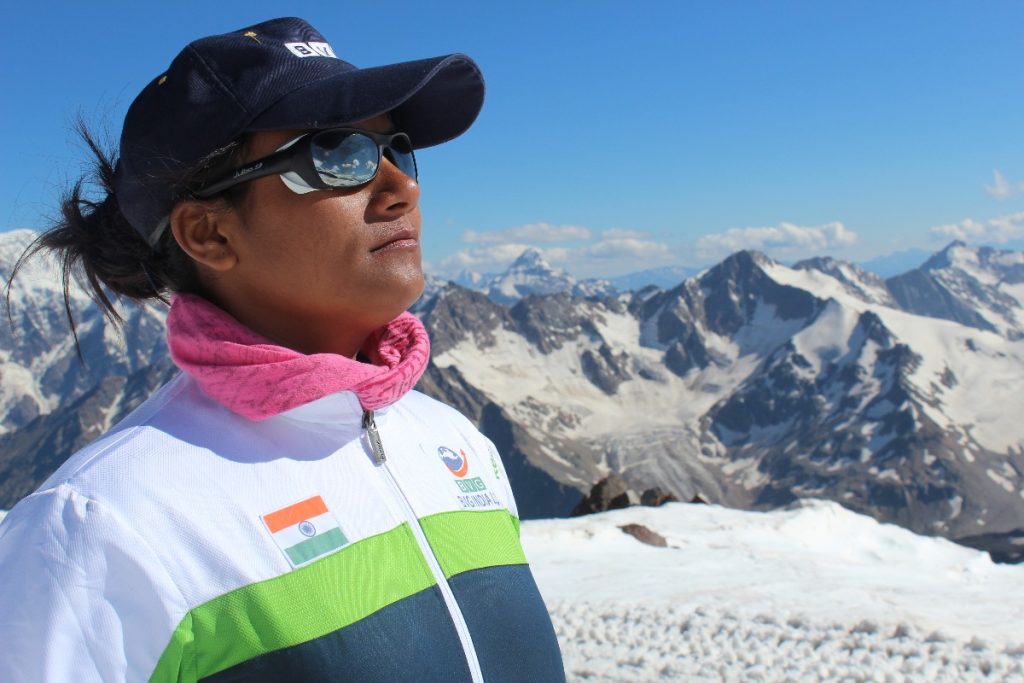
In 2011, Arunima Sinha was thrown from the Padmawati Express by thieves who targeted her chain. She fell onto the tracks and was run over by another train. She lost her left leg. While recovering in hospital — in a ward she has described as underfunded and chaotic — she made the decision to climb Mount Everest. Not as a vague aspiration. As a plan. In 2013, she became the first female amputee in the world to summit Everest, doing so on a prosthetic leg. She has since climbed all Seven Summits — the highest peak on every continent.
The lesson for your room: The decision to do the hardest possible thing is not made in good conditions. It is made in the worst ones.
Why she belongs on a corporate stage: Arunima Sinha is the speaker for teams navigating a crisis that feels unsurmountable — a failed quarter, a product that broke, a restructuring that has fractured morale. She speaks not about mindset as an abstraction but about the specific decision-making process that operates under genuine physical and psychological extremity.
View Arunima Sinha’s full profile and check availability
2. Malvika Iyer


Malvika Iyer was 13 years old when a bomb blast at her home in Rajasthan destroyed both her hands and severely injured her legs. After multiple surgeries and years of rehabilitation, she not only completed her schooling but went on to earn a PhD in social work from IIT Madras. She is now a disability rights activist, TEDx speaker, and advisor to the United Nations on issues of inclusion and accessibility. She received the National Youth Award from the President of India.
The lesson for your room: What you do with what remains determines everything. The loss itself is not the story.
Why she belongs on a corporate stage: Malvika Iyer is the speaker for DEI-focused events, leadership programs exploring inclusion as a business value, or any audience that needs to confront the difference between inconvenience and genuine adversity. Her presence alone recalibrates the room’s relationship with the word ‘difficult’.
View Malvika Iyer’s full profile and check availability
3. Sudha Chandran

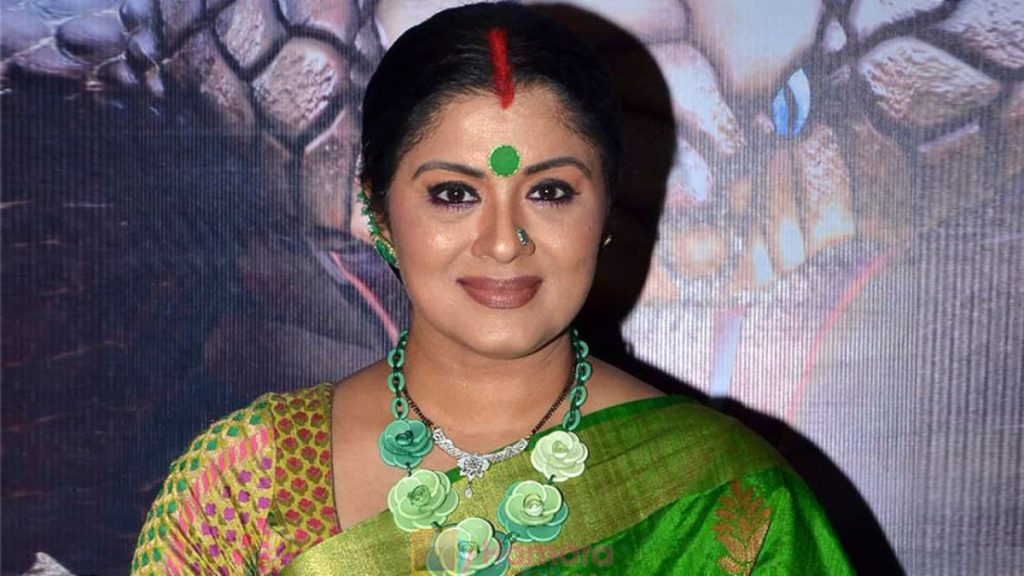
Sudha Chandran was 16 when a road accident led to a severe infection that required the amputation of her right leg. She had been training as a Bharatanatyam dancer since childhood. After a period of devastating loss, she was fitted with a Jaipur foot prosthetic and returned to dance — not as a symbolic gesture but as a serious performer. She went on to a career spanning Bharatanatyam performances on national stages and a long career in Indian television. Her story is not about returning to normal. It is about building something better than what existed before the loss.
The lesson for your room: The craft does not disappear when the instrument changes. Mastery is more durable than the body that expresses it.
Why she belongs on a corporate stage: Sudha Chandran is the speaker for arts, culture, or creativity-focused corporate audiences — and for any team navigating a forced reinvention where the tools they relied on are no longer available. Her story speaks directly to people who have built identity around a specific skill and are being asked to start again.
View Sudha Chandran’s full profile and check availability
4. Shalini Saraswathi

Shalini Saraswathi was in her thirties — employed, independent, living a full life — when a rare bacterial infection led to the amputation of all four of her limbs. She had to rebuild not just mobility but identity, livelihood, and purpose from a position of complete physical redefinition. She has since taken up adventure sports, including handbike racing, and speaks at corporate events about the specific psychology of rebuilding after a loss that is both total and sudden.
The lesson for your room: Rebuilding is not optimism. It is a daily practice of specific, incremental decisions made without guarantee.
Why she belongs on a corporate stage: Shalini Saraswathi is the speaker for leadership teams facing organisational transformation that feels like starting from zero — mergers, pivots, structural collapses. The parallel between her physical rebuilding and organisational rebuilding is not metaphorical. It is structural.
View Shalini Saraswathi’s full profile and check availability
When the system says no: stories of women who built around the wall
These speakers did not overcome the obstacles placed in front of them by simply trying harder. They found structural routes around systems that were not designed to include them. What they offer a corporate audience is not inspiration about individual effort but intelligence about navigating institutional resistance.
5. Kiran Bedi

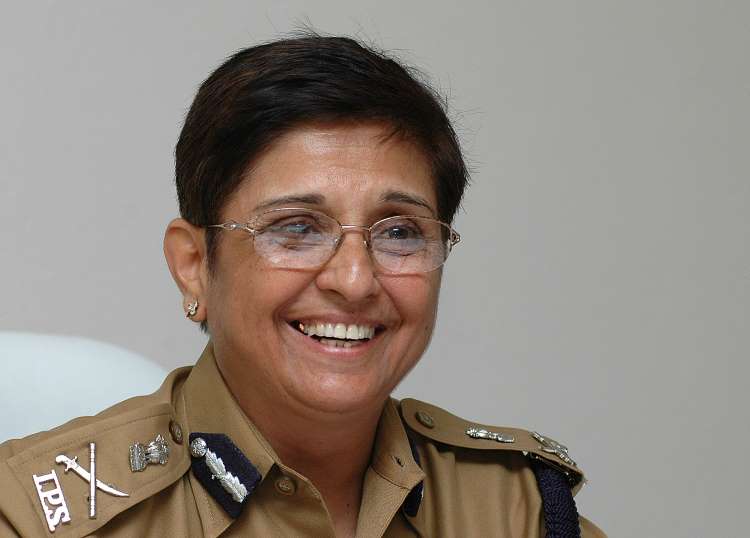
Kiran Bedi joined the Indian Police Service in 1972, becoming the first woman to do so. She was not welcomed. She spent decades in an institution that was not designed for her, navigating gender-based resistance at every rank. She went on to reform Tihar Jail — at the time Asia’s largest prison — implementing education, yoga, and rehabilitation programmes that became internationally studied models of prison reform. She later became the first woman to represent India at the UN as a civilian police advisor. She served as the 24th Lieutenant Governor of Puducherry.
The lesson for your room: When the system does not change to accommodate you, you change the system — from inside it.
Why she belongs on a corporate stage: Kiran Bedi is the speaker for leadership teams in traditionally male-dominated industries — infrastructure, defence, manufacturing, finance — and for any DEI program that needs a voice grounded in institutional reality rather than aspirational language. She does not speak in principles. She speaks from decades of specific, contested experience.
View Kiran Bedi’s full profile and check availability
7. Laxmi Agarwal


Laxmi Agarwal was 15 years old when she was attacked with acid in New Delhi by a man whose proposal she had rejected. The attack left severe burns across her face and body. Rather than withdrawing from public life, she launched a campaign against acid sales in India that eventually led to the Supreme Court ordering restrictions on open acid sales in 2013. She became the face of the Stop Acid Attacks campaign, appeared on the cover of Time magazine’s list of most influential people, and later founded Chhanv Foundation to support acid attack survivors. She has spoken at events globally about resistance, law, and identity rebuilding.
The lesson for your room: The person who attacks you does not get to define who you become. That is your decision.
Why she belongs on a corporate stage: Laxmi Agarwal is the speaker for events addressing women’s safety, workplace harassment, or any audience that needs to understand the difference between surviving and reclaiming. Her story moves beyond the incident to the years of structured campaigning that followed — which makes her relevant not just emotionally but strategically.
View Laxmi Agarwal’s full profile and check availability
When illness interrupts everything: stories of leaders who built through diagnosis
Cancer, in particular, has a specific relationship with the corporate world. Many leaders in every room will have been through it personally or with family. These speakers did not pause their professional lives when diagnosed — they built through it. What they offer is not medical information but a framework for maintaining creative and professional output under conditions of radical uncertainty.
8. Kanika Tekriwal

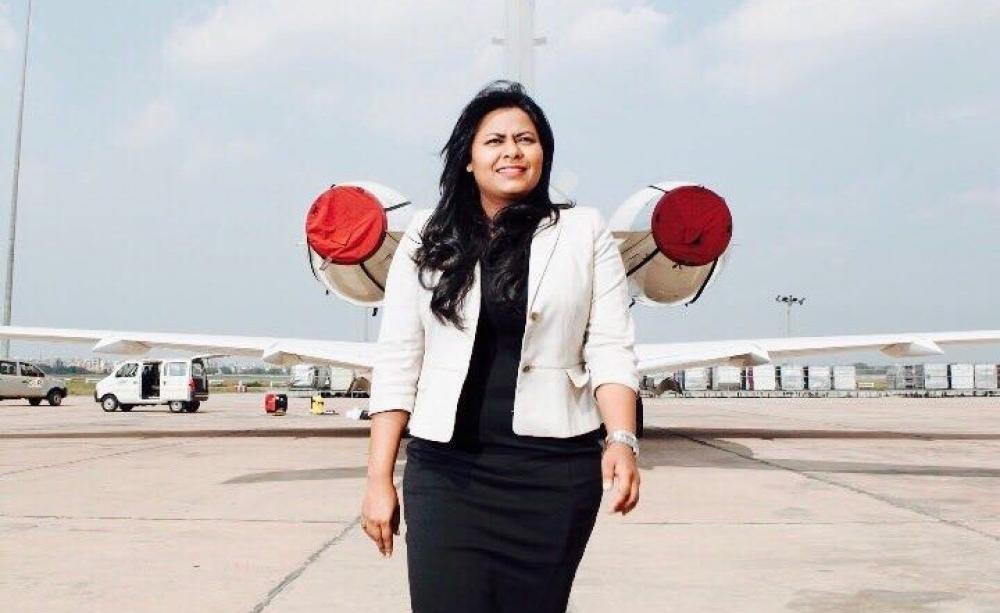
Kanika Tekriwal was diagnosed with cancer in her twenties, during the early stages of building JetSetGo, the company she founded to democratise private aviation in India. She continued building the company through treatment — chemotherapy, surgery, recovery — and went on to raise funding, expand the fleet, and be named a Forbes 30 Under 30 honouree. JetSetGo became India’s largest private jet marketplace. She has spoken at the World Economic Forum and has been covered extensively in international media for her journey as a founder-under-adversity.
The lesson for your room: Founding a company and surviving cancer are both acts of sustained, irrational optimism. The discipline required for one is exactly the discipline required for the other.
Why she belongs on a corporate stage: Kanika Tekriwal is the speaker for entrepreneurship-focused events, leadership conferences, and any room grappling with the question of how to continue building when personal circumstances are objectively bad. Her dual lens — founder psychology and illness psychology — gives her a perspective that is genuinely rare.
View Kanika Tekriwal’s full profile and check availability
8. Manisha Koirala

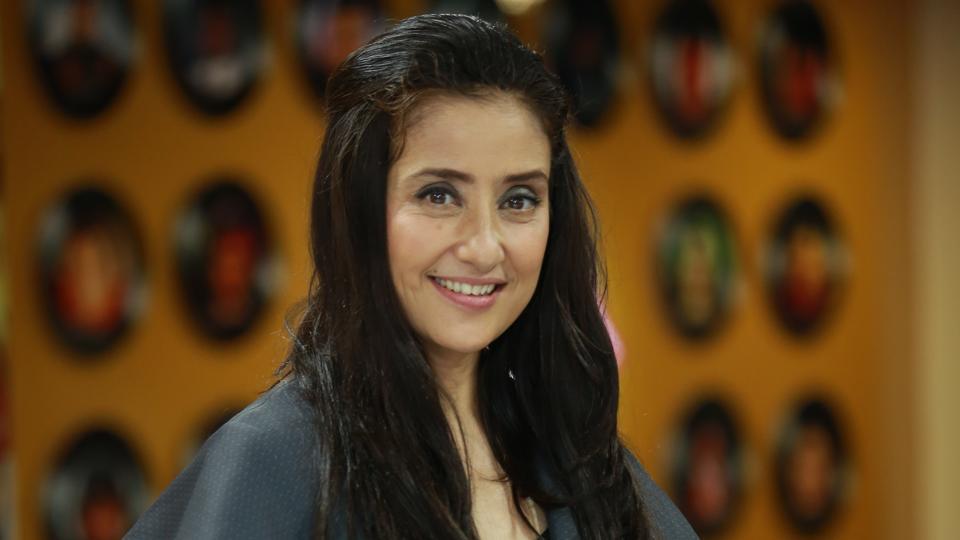
Manisha Koirala was one of Bollywood’s most celebrated actresses when she was diagnosed with ovarian cancer in 2012. She underwent treatment in the US, away from the industry and the public eye, and returned to India in 2013. Rather than treating her diagnosis as a private matter, she began speaking publicly about ovarian cancer, early detection, and the psychological dimensions of serious illness for women in public life. She resumed her acting career, published a memoir (‘Healed’) about her cancer journey, and became an active voice in India’s women’s health advocacy space.
The lesson for your room: The willingness to name your vulnerability publicly is its own form of power.
Why she belongs on a corporate stage: Manisha Koirala is the speaker for events where mental health, resilience, or women’s health are thematic — and for leadership audiences who need a voice that speaks to the psychological texture of illness rather than just the narrative of survival.
View Manisha Koirala’s full profile and check availability
9. Tahira Kashyap

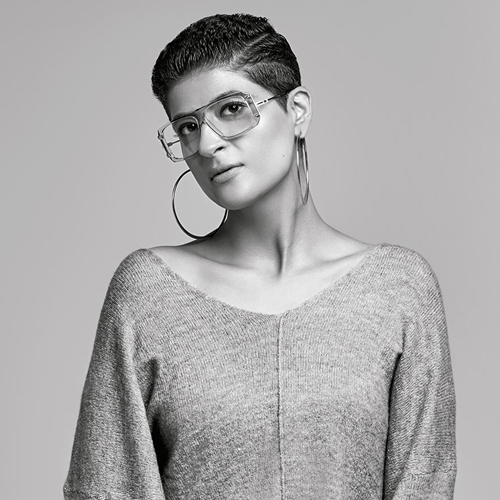
Tahira Kashyap was diagnosed with Stage 0 breast cancer in 2018. She was a filmmaker and author by then — married to actor Ayushmann Khurrana and building her own creative career. She chose to document her diagnosis publicly, including shaving her head on social media during chemotherapy. She has since written three books, including ‘The 12 Commandments of Being a Woman’ and ‘Cracking the Code’, directed short films, and become a prominent voice on body image, self-acceptance, and the social pressures Indian women navigate. Her public processing of illness was deliberate — she has said she wanted to use her platform to reduce the stigma of cancer for women in India.
The lesson for your room: Vulnerability is not the opposite of professional credibility. When deployed honestly, it is a form of leadership.
Why she belongs on a corporate stage: Tahira Kashyap is the speaker for creative teams, HR audiences focused on psychological safety, and any leadership cohort wrestling with the relationship between personal authenticity and professional effectiveness.
View Tahira Kashyap’s full profile and check availability
When the stage is the comeback: stories of performers who returned
Some of the most powerful resilience stories come from performers — people whose livelihood, identity, and self-expression were tied to a physical or professional capacity they lost. The return to the stage after loss is its own specific act of courage.
10. Pratichee Mohapatra


Pratichee Mohapatra began her career as a member of VIVA, one of India’s first manufactured pop groups, formed through a Channel V talent competition in 2002. After the group’s run, she built a solo career in music and performance. She was later diagnosed with cancer and went through a period of treatment and recovery that reshaped her relationship with her career, her voice, and her public identity. She now speaks at corporate and educational events about survival, reinvention, and what the experience of illness teaches about what actually matters in professional life.
The lesson for your room: The career you rebuild after everything falls apart is built on what you actually know, not what you assumed.
Why she belongs on a corporate stage: Pratichee Mohapatra is the speaker for audiences in creative industries, entertainment, or media — and for any team navigating a professional identity reset after a significant setback.
View Pratichee Mohapatra’s full profile and check availability
What these 10 stories have in common — and why it matters in a corporate room
None of these women were given easier conditions. None of them found a workaround that avoided the hard thing. What they share is a specific quality that is more useful than inspiration: they are all people who continued making decisions under conditions that most frameworks for decision-making do not account for.
That is precisely what makes them valuable to a corporate audience. Not because your organisation is facing what they faced — it almost certainly is not. But because the mental model of someone who has functioned at the edge of what is bearable produces a specific clarity about what matters and what does not.
At engage4more, we apply the STRIVE Framework to every speaker recommendation we make — because the goal of a corporate keynote is not applause. It is the Monday morning conversation where someone in your team says: I thought about what she said, and it changed how I approached the problem. That is the standard we work to.
Planning an event where one of these voices would be the right fit? Browse verified speaker profiles, availability, and transparent pricing on our women motivational speakers page. Every recommendation from engage4more’s team goes through our STRIVE framework — and our standard for every booking is the Monday Morning Rule. Since 2010, 5,000+ events. One brief to us is all it takes to get a shortlist within 3 hours.
Frequently asked questions
What makes a resilience story genuinely useful for a corporate audience, as opposed to just moving?
The difference is specificity and transferability. A story that moves an audience is one where something tragic happened and the person recovered. A story that is useful is one where the speaker can articulate the specific decisions they made under pressure — the moment they chose to continue, the framework they used to prioritise, the thing they gave up so something else could survive. The 10 speakers above all speak with this level of specificity. At engage4more, we evaluate this through the STRIVE framework’s ‘I’ criterion — Impact. Will this session produce a measurable shift in thinking or behaviour? Emotion alone does not meet that standard.
Are these speakers available for events other than International Women’s Day?
Yes, and in most cases they are more effective outside the IWD context. IWD-positioned sessions can inadvertently frame resilience as a ‘women’s issue’ rather than a universal leadership challenge. Several of the speakers above — Arunima Sinha, Malvika Iyer, Kiran Bedi — are booked year-round for leadership conferences, Annual Days, and offsites because their stories are about human capacity under pressure, not about gender specifically. The gender dimension is present but it is not the only lens through which the story operates.
How does engage4more match the right resilience speaker to a specific corporate brief?
We start with the brief — what is the specific challenge your organisation is facing, what is the seniority of the room, what outcome do you want the session to produce? From that, we shortlist 3-5 speakers whose stories map most directly to your context. An acid attack survivor is not the right speaker for every room — but for a team that has been through a severe public crisis, Laxmi Agarwal’s story of rebuilding public identity is extraordinarily precise. That matching is what engage4more’s STRIVE framework is designed to produce. Share your brief with us and we will respond with a shortlist within 3 hours.